Water travels along the path of least resistance. When a copper supply line or drain pipe fractures under a four-inch concrete foundation, that path leads directly into your home’s subflooring. Foundation leaks start silently. They erode structural integrity from the bottom up while your water meter spins continuously day and night.
At Leak Detection Service Pros, we see this damage firsthand across Georgia properties every single week. Our team expanded from a small local operation to a multi-team service provider by focusing on rapid diagnostic accuracy and real solutions. We have integrated industry-leading leak detection tools and non-invasive diagnostic systems to protect property structures. Having successfully supported thousands of homeowners and businesses in Covington and surrounding areas, we remain recognized locally for prompt response times and trusted service delivery. We have consistently maintained high customer satisfaction through quality workmanship on every call.
If you notice warm spots underfoot, sudden utility bill spikes, or persistent damp odors, you are dealing with a critical structural issue. Homeowners needing residential slab leak repair in Covington, GA, face unique environmental challenges. The heavy Georgia red clay under local home foundations expands and contracts rapidly between wet springs and hot, dry summers. This relentless ground movement puts severe shear stress on underground plumbing lines.
Understanding Foundation Plumbing Under Concrete
A slab leak occurs when water pipes running beneath or inside a poured concrete foundation burst, crack, or develop pinhole leaks. Modern residential construction relies heavily on slab-on-grade foundations. Contractors lay supply lines and drainage systems directly into the ground, cover them with gravel, and pour tons of wet concrete directly over the plumbing.
- Hot-Water Supply Line Fractures: These happen when hot water causes copper pipes to expand and rub against rough concrete aggregate, eventually wearing the metal thin.
- Cold-Water Supply Line Pinholes: Internal chemical corrosion from municipal water treatments creates micro-fissures in buried copper or galvanized iron lines over time.
- Sewer and Drain Line Failures: Sub-slab drain lines crack when shifting red clay soil settles underneath the home’s weight.
Primary Causes of Sub-Slab Plumbing Failures
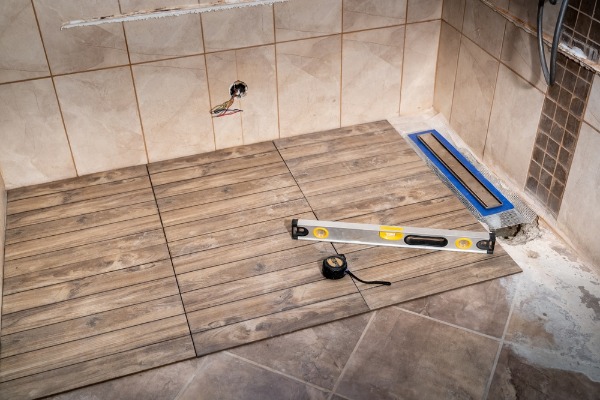
Sub-slab plumbing failures rarely stem from a single factor. They usually result from years of physical and environmental pressures working against hidden pipes beneath your floors.
- Expansive Georgia Red Clay Shift: The high concentration of iron oxide and fine clay particles in local soils leads to massive volumetric changes. Soil expands when soaked by heavy winter rains and shrinks dramatically during humid summer heatwaves. This continuous expansion and contraction causes the concrete slab to shift, putting massive friction on buried plumbing lines.
- Corrosion and Pipe Degradation: Older homes often feature galvanized steel or thin-walled copper pipes. Electrolytic reactions between acidic soil minerals and metal pipes slowly eat away at the outer walls until a pinhole opens up.
- High Water Pressure: Municipal water line surges put stress on aging internal pipe joints. Unregulated water pressure over 80 PSI acts like a hydraulic hammer against tight elbow fittings buried deep inside your slab.
- Poor Installation Practices: If original builders kinked copper pipes during laying, laid bare pipes directly against sharp rocks, or left fittings uninsulated, thermal expansion causes metal to rub against concrete until a leak forms.
Critical Warning Signs of a Foundation Leak
Hidden leaks give clear warning signs long before water breaks through hardwood or tile flooring. Knowing what to watch for helps you take action before structural damage spreads.
- Unexplained Water Bill Spikes: An unexpected rise in monthly utility costs often means water is escaping under pressure 24 hours a day.
- Localized Warm Flooring: Hot water supply line leaks heat up tile, linoleum, or engineered wood directly above the rupture site.
- Sound of Running Water: Hearing water rush or hiss behind walls or under floors when all indoor faucets are turned off points to an active leak.
- Foundation and Wall Cracks: Escaping water washes away supporting soil beneath your foundation, causing concrete to drop and creating hairline cracks in drywall, brick veneer, or baseboards.
- Musty Odors and Damp Carpets: Water pooling beneath floor coverings feeds dark mold spores and causes carpets to feel damp or spongy to the touch.
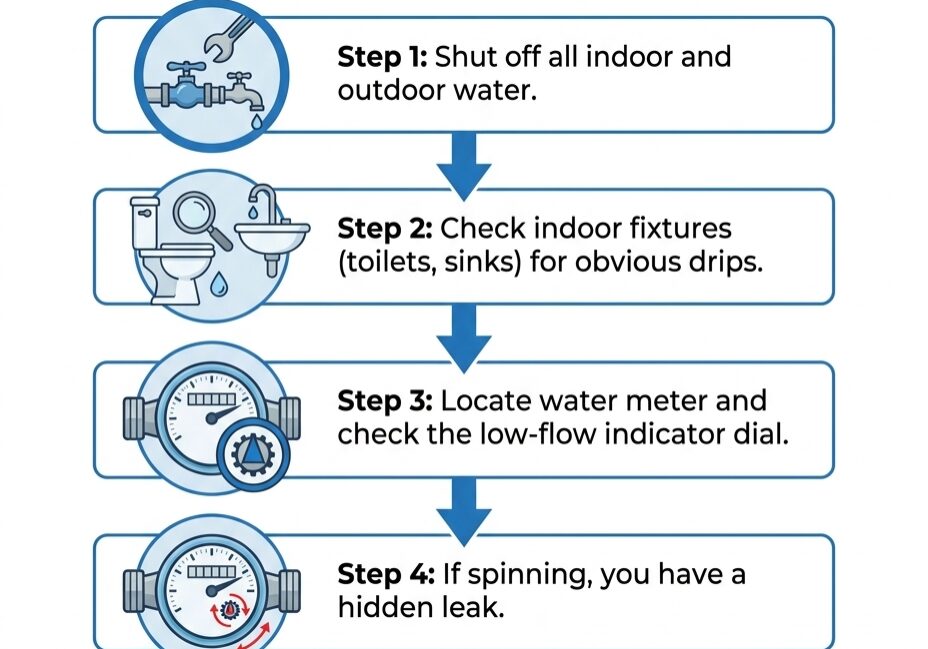
- Constant Water Meter Movement: If the low-flow indicator on your main water meter spins while all household valves are closed, water is leaking somewhere on the property.
Non-Invasive Leak Detection Methods
The days of breaking up concrete floors with sledgehammers just to find a suspected leak are over. Modern leak detection relies on non-invasive technology to pinpoint pipe ruptures within inches before anyone touches the slab.
- Acoustic Electronic Sonar: High-frequency ground microphones amplify the sound of escaping pressurized water beneath four to six inches of concrete.
- Thermal Infrared Imaging: Infrared cameras scan floor surfaces to detect faint temperature changes caused by hot water leaks under slab-on-grade floors.
- Inert Tracer Gas Inspection: Technicians pump a safe mixture of nitrogen and helium into drained lines. Gas detectors locate where the gas escapes through microscopic pipe fissures.
- In-Line Micro Camera Scans: High-definition fiber-optic cameras travel through drain lines to show root intrusions, crushed pipes, and cracked joints from the inside.
Comparing Slab Leak Repair Options
Choosing the right repair method depends on pipe age, leak location, and overall system condition. Each approach offers clear tradeoffs between cost, duration, and property impact.
- Direct Patching: Best for a single localized leak on a pipe in good condition. Requires breaking concrete but provides a direct fix with minimal pipe routing changes.
- Pipe Relining and Epoxy: Best for straight drain lines with minor cracks. Applied using trenchless technology to preserve flooring with zero concrete demolition.
- Complete Line Rerouting: Best for aging pipe systems with multiple pinhole leaks. Has low structural impact because it bypasses slab lines entirely through walls or attic spaces.
- Sub-Slab Directional Tunneling: Best for leaks under high-end indoor flooring. Keeps indoor disruption low by excavating and accessing pipes directly from outside the foundation perimeter.
Step-by-Step Direct Repair Walkthrough
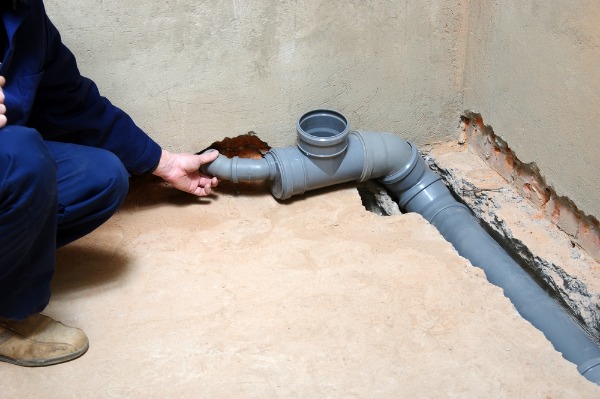
When direct concrete excavation is the best repair option, sticking to an organized step-by-step process keeps the work clean and structural risks low.
- Digital Mapping and Line Tracing: Technicians map buried utility lines using acoustic sonar and line locators to mark the exact cut boundary on your floor.
- Dust Containment Setup: High-efficiency air scrubbers and heavy plastic sheeting isolate the work zone to keep concrete dust out of your living area.
- Precision Concrete Opening: Electric jackhammers cut a controlled opening through the slab without disturbing nearby support footings.
- Excavation of Sub-Slab Soil: Technicians clear away surrounding soil and gravel to access the damaged pipe without scratching adjacent lines.
- Damaged Section Removal: Technicians cut out the corroded or cracked pipe section using precision pipe cutters.
- New Section Installation and Pressure Testing: Technicians braze heavy-duty type K copper or high-grade PEX lines into place, then pressure test the line to confirm a total seal.
- Backfilling and Concrete Resurfacing: Technicians pack clean gravel around the pipe, pour quick-curing concrete, and trowel the surface flat to prepare for floor installation.
Financial Impacts, Insurance Coverage, and Prevention
Understanding costs and insurance coverage helps you manage slab leak repairs with far less stress.
- Insurance Coverage Nuances: Most home insurance policies cover the tear-out and property restoration costs needed to access a slab leak. However, policies often exclude the cost of replacing the damaged pipe section itself.
- Property Value Protection: Leaving slab leaks untreated causes foundation settling, cracked walls, and widespread mold damage. Prompt repair preserves your home’s resale value and structural integrity.
- Installation of Pressure Reducing Valves (PRV): Installing a PRV on your main supply line stops water pressure spikes from stressing buried fittings.
- Soil Moisture Management: Keep foundation moisture levels balanced during dry spells with proper downspout extensions and intentional perimeter drainage.
- Whole-Home Water Softening and Filtration: Treating aggressive municipal water reduces internal chemical corrosion on copper supply lines over time.
Commercial vs. Residential Slab Leak Challenges
Commercial properties present unique repair challenges compared to standard residential homes. Commercial concrete slabs are thicker, reinforced with heavy rebar, and poured over complex utility networks.
Commercial slab plumbing failures carry massive operational risks:
- Business interruptions and mandatory health code shutdowns from open concrete trenches.
- Multi-story commercial buildings face vertical water migration through elevated post-tensioned concrete slabs.
- Industrial operations need specialized commercial slab leak repair, high-capacity bypass piping, and off-hours service to stay open.
Residential properties require a different touch. Homeowners need safe dust containment, protected flooring, clear insurance support, and prompt 24/7 slab leak repair to restore everyday family life.
HVAC Interactions: Moisture and Slab Degradation
Your home’s HVAC system plays an overlooked role in how moisture affects sub-slab stability. Cooling systems generate gallons of condensation daily during hot, humid summers.
- Poor Condensate Line Routing: Draining HVAC condensation right next to foundation walls keeps red clay saturated, driving structural shifting and putting stress on buried pipes.
- Attic vs. Closet System Strain: High humidity in homes with unsealed crawlspaces forces central cooling units to run longer cycles, masking the signs of early slab leaks.
- Choice Between Ductless AC and Central Air Systems: Ductless mini-splits isolate cooling zones without running ductwork under floor slabs. Central air systems rely on buried supply lines or sub-slab returns that can trap moisture and hide underground leaks.
Emergency Action Plan for Homeowners
When water starts leaking through your floorboards, acting fast limits expensive structural damage.
- Shut Off Main Water Supply: Close the main water shut-off valve immediately to stop water flow through pressurized supply lines.
- Turn Off Water Heater Power: Switch off gas or electric power to your water heater to prevent tank burnouts while the water supply is off.
- Drain Household Faucets: Open low-tier indoor and outdoor faucets to drain remaining pressure from your plumbing lines.
- Document Visible Damage: Take clear photos and videos of pooled water, damaged flooring, cracked walls, and water meter readings for your insurance claim.
- Call for Professional Diagnostics: Contact a certified technician for concrete slab leak repair, line isolation, and rapid non-invasive leak location.
Why Choose Leak Detection Service Pros
Handling sub-slab plumbing failures takes experienced specialists with modern equipment, not basic guessing games.
- Diagnostic Accuracy: Non-invasive equipment locates leaks within inches to minimize demolition.
- Service Coverage: Complete diagnostic and repair solutions for both residential and commercial properties.
- Rapid Response: Emergency crews are dispatched for same-day slab leak repair to halt foundation erosion immediately.
- Long-Term Support: Direct guidance with insurance documentation and claims processing from start to finish.
Our team brings advanced diagnostic tools, non-invasive technology, and clear repair strategies to every project. Whether you need scheduled plumbing maintenance, a full line reroute, or emergency slab leak repair, we protect your foundation and restore your peace of mind.
Frequently Asked Questions
- How much does a typical slab leak repair cost?
Repair costs range from $1,200 for simple direct line fixes to $5,000+ for full line reroutes, depending on accessibility and flooring types. Most insurance plans offset these costs by covering property access and tear-out expenses.
- Can I leave a small slab leak alone if it is not flooding my floor?
No, even small pinhole leaks wash away load-bearing subsoil, crack foundations, and breed toxic mold under flooring over time. Unaddressed leaks turn simple pipe repairs into major structural foundation projects.
- How long does a non-invasive slab leak repair take to complete?
Locating the leak takes one to two hours using specialized acoustic and thermal tools. Most direct pipe repairs or overhead reroutes finish in a single day.
- Will fixing a slab leak break up my entire home’s floor?
No, modern non-invasive diagnostic tools pinpoint the exact break spot down to the inch. Technicians only open a small, targeted square of concrete or bypass the buried line altogether using an overhead reroute.
- Can tree roots under my house cause concrete slab leaks?
Yes, invasive root systems crawl toward underground water sources and put physical pressure on buried sewer and main water lines. Over time, root pressure cracks buried pipes and shifts the surrounding soil.
- Does homeowners insurance cover slab leak repairs?
Insurance policies typically pay for diagnosing the leak and repairing structural damage caused by escaping water. However, homeowners usually pay out-of-pocket for replacing the worn pipe section itself.
Water travels along the path of least resistance, but it does not have to ruin your property. Catching a leak early stops minor pipe corrosion from turning into major foundation failure. From localized pinhole leaks to complex rerouting projects, non-invasive technology identifies sub-slab issues fast without tearing apart your home. Contact our team today to schedule your complete diagnostic inspection! Our team provides same-day slab leak repair, reliable 24/7 slab leak repair, and comprehensive concrete slab leak repair to keep your foundation safe, dry, and structurally sound year-round.
Recent Posts