Gas line leaks in older homes stem directly from chemical corrosion in aging galvanized steel pipes, soil shifting in red clay, and degraded joint sealants. When a gas line degrades underground or behind your walls, it poses immediate fire, explosion, and health risks to everyone inside the property.
At Leak Detection Service Pros, we have expanded from a small local operation to a multi-team service provider equipped with non-invasive acoustic sensors, trace gas detectors, and thermal imaging cameras. Having supported thousands of homeowners and businesses in Loganville and throughout Gwinnett and Walton counties, we have built a reputation for prompt response times, quality workmanship, and trusted service delivery.
When managing energy systems in an established property, homeowners often find themselves weighing major infrastructure decisions, such as whether to install a ductless AC versus a central air system, to ensure their home runs efficiently without placing undue stress on existing utility lines. In this comprehensive guide, our certified technicians break down the fundamental rules of gas line safety, the early warning signs of pipe degradation, and the exact steps required to protect your home.
If you ever smell raw fuel, hear unexplainable whistling near a fitting, or notice dead vegetation above a buried pipe, you need qualified professionals on-site immediately. Our team provides reliable gas line repair in Loganville, GA, handling both residential and commercial systems to keep your entire property fully protected.
1. Understand How Older Pipe Materials and Local Ground Conditions Fail
Homes constructed several decades ago relied on piping materials and installation techniques that fall well below modern building safety standards. Understanding what lies behind your drywall or beneath your crawl space is the first defense against dangerous leaks.
- Galvanized Steel and Black Iron Corrosion: Older residential properties heavily featured galvanized steel or black iron piping for fuel distribution. Over decades, moisture inside crawl spaces and ambient humidity cause black iron to rust internally and externally. Galvanized pipes lose their protective zinc coating over time, leading to pitting corrosion that thins the pipe wall until pinhole leaks form.
- Thread Compound and Sealant Breakdown Pipe sections connect using threaded joints sealed with pipe dope or thread tape. Decades of exposure to gas flow, temperature shifts, and natural pipe vibration dry out these compounds. Once the sealant hardens, cracks, and flakes away, gas escapes directly through the threaded grooves.
- Subterranean Red Clay Movement The dense red clay soil prevalent across northern Georgia expands significantly when saturated during heavy rainstorms and shrinks during dry summer spells. This aggressive expansion and contraction cycle puts immense physical shearing force on rigid underground piping. Over time, shifting clay bends buried pipes, snaps rigid fittings, and pulls underground connections apart.
- Tree Root Intrusion and Soil Settlement Mature oak, pine, and hardwood trees push thick roots deep into the ground. As these root systems expand, they press against buried line runs. Combined with natural soil settlement around older foundations, underground lines bend out of alignment, creating stress fractures at weak joints.
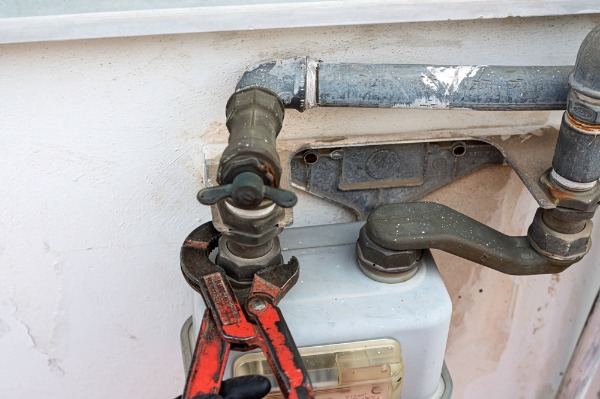
- Unprotected Exterior Risers: Where the gas line exits the ground to connect to your meter, steel risers face constant exposure to lawnmowers, string trimmers, rainwater runoff, and atmospheric oxygen. Without specialized anti-corrosion coatings or protective sleeves, exterior risers quickly rust at the soil level.
2. Recognize the Physical and Environmental Warning Signs of a Gas Leak
Gas leaks do not always present as a dramatic, sudden emergency. Low-volume slow leaks can persist for months, quietly accumulating inside wall cavities or slowly venting into the soil outside your foundation. Knowing how to identify subtle warning signs allows you to act long before a disaster occurs.
- The Mercaptan Rotten Egg Odor: Natural gas and propane are inherently odorless and colorless gases. Utility companies inject a harmless chemical odorant called mercaptan, which smells distinctly like sulfur or rotten eggs, so humans can detect escaping gas instantly. If you smell even a faint sulfur odor inside or outside your property, treat it as an immediate safety hazard.
- Hissing or Whistling Sounds High-pressure fuel escaping through a tiny pinhole, cracked fitting, or loose valve produces a sharp whistling or hissing sound. Listen closely around water heaters, furnaces, gas ranges, fireplace logs, and exterior meter assemblies.
- Unexplained Vegetation Death (Dead Patches) Underground leaks kill surrounding plant life by displacing oxygen in the root zone. If you notice a patch of dead grass, brown shrubs, or dying flowers along the path between your utility meter and your home while the rest of the lawn stays green, gas is likely saturating the subterranean soil.
- Soil Disruption and Bubbling Water: Escaping underground gas pushes upward through compressed soil. Look for dirt blowing gently into the air above buried line paths or active bubbling in puddles and standing water after a rainstorm.
- Unexplained Spikes in Utility Bills If your fuel consumption spikes sharply without a corresponding change in appliance usage or extreme seasonal weather, a hidden leak is constantly wasting gas somewhere on your property.
- Physical Symptoms in Humans and Pets Inhaling low levels of natural gas or propane reduces blood oxygen levels. Watch for sudden, unexplainable symptoms among household members, including chronic headaches, dizziness, nausea, fatigue, eye irritation, or uncharacteristic lethargy in household pets.
3. Know the Critical Differences Between Propane and Natural Gas Infrastructure
Propane and natural gas fuel residential appliances reliably, but their chemical properties dictate entirely different storage methods, piping requirements, and leak behaviors. Knowing which fuel powers your home determines how you monitor and react to potential safety threats.
- Physical Density and Gas Movement Behavior Natural gas consists primarily of methane, which is lighter than air. When a natural gas line develops a leak indoors, the gas rises toward ceilings, roof peaks, and upper levels, dispersing through high ventilation points. Propane, however, is a liquefied petroleum gas (LPG) that is significantly heavier than air. When a propane leak occurs, the dense gas sinks directly to the floor, pooling in low-lying areas like basements, crawl spaces, sumps, and floor drains, creating a concentrated explosion hazard.
- Operating Line Pressures Residential natural gas lines typically operate at low pressures, around 0.25 to 2 pounds per square inch (PSI). Propane supply lines run from an outdoor storage tank through a two-stage regulator system. High-pressure lines running from the tank to the first regulator operate at up to 10 PSI before stepping down to standard appliance operating pressure. These higher storage pressures require specialized propane gas line repair standards, heavy-duty fittings, and rated flexible connectors to prevent high-pressure line failures.
- Storage Infrastructure Differences Natural gas arrives at your property through a continuous municipal grid owned and pressurized by regional utilities. Propane requires an on-site storage tank, either buried underground or sitting aboveground on concrete pads. Dedicated high-pressure lines connect the storage tank directly to the home’s manifold, requiring specialized underground trace wire installations so technicians can locate buried lines during future excavations.
4. Implement Non-Invasive Diagnostics and Modern Maintenance Protocols
Preventing gas line failures requires a proactive approach rather than waiting for an actual emergency. At Leak Detection Service Pros, our team uses non-invasive diagnostic systems to evaluate pipe health without tearing open walls or digging up lawns.
- Electronic Sniffers and Acoustic Sensors Our field crews utilize combustible gas detectors capable of sensing methane or propane concentrations as low as 1 part per million (PPM). Acoustic listening devices allow us to pinpoint the precise location of underground leaks by picking up the high-frequency vibrations created by escaping gas under pressure.
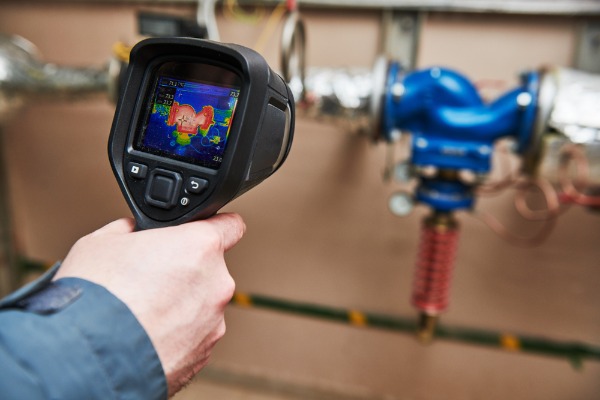
- Thermal Imaging Inspections: Expanding gas undergoes rapid decompression, which drops the temperature of the surrounding pipe or wall material. Thermal imaging cameras display these micro-temperature drops clearly on screen, revealing hidden leak locations behind drywall, under subfloors, or inside insulated crawl spaces without destructive invasive cutting.
- Digital Pressure Drop Testing To verify the total integrity of your fuel distribution network, technicians isolate the system, shut off appliance isolation valves, and pressurize the lines with clean air or inert nitrogen gas. A digital manometer tracks system pressure over a set duration. If the pressure drops even fractionally, a leak exists within the line network.
- Installing Automatic Gas Shut-Off Valves Modern safety protocols recommend installing automatic seismic and excess-flow shut-off valves. An excess-flow valve detects sudden surges in gas movement—such as a severed line caused by construction or pipe rupture—and instantly snaps shut to cut off fuel flow automatically.
- Scheduling Annual Safety Audits: Every older home should undergo an annual gas line safety inspection. A comprehensive audit includes testing all exposed pipe joints, inspecting appliance flex connectors, verifying proper venting on water heaters and furnaces, and checking exterior meter connections for rust or physical wear.
5. Master the Emergency Protocols for Gas Line Failures
When a major gas leak occurs, split-second decisions protect lives and property. Every homeowner must establish and practice a clear emergency action plan with all household occupants.
- Immediate Evacuation Without Disturbance If you smell a strong odor of gas or hear a loud hissing sound, evacuate everyone from the building immediately. Do not stop to open windows, gather personal belongings, or locate pets if doing so delays your exit.
- Total Static and Electrical Isolation Do not turn light switches on or off, do not unplug appliances, do not use house phones, and do not operate garage door openers. Turning any electrical switch produces a micro-spark that can ignite high concentrations of gas in the air. Leave your cell phone in your pocket until you are safely away from the structure.
- Avoid Open Flames and Motor Operation: Never strike a match, light a lighter, or smoke anywhere near a suspected gas leak. When leaving the property, do not start your automobile if it is parked near the house or garage, as internal combustion engines can ignite atmospheric gas clouds.
- Shut Off the Main Fuel Supply If Safe: If the main gas shut-off valve at your outdoor meter or propane tank is easily accessible and you can turn it without risking your safety, use a street key or adjustable wrench to turn the valve quarter-turn perpendicular to the pipe. If reaching the valve puts you near the source of the leak, skip this step and evacuate.
- Contact Emergency Responders and Specialized Repair Services: Once you are at a safe distance from the property, dial 911 to alert local fire and emergency services. Next, contact our emergency gas line repair team for rapid dispatch. We provide 24/7 gas line repair to isolate damaged lines, perform pressure tests, coordinate with local utility regulators, and restore safe fuel delivery to your home or business.
Frequently Asked Questions
- What should I do immediately if I smell gas inside my home? Evacuate all occupants right away without operating light switches, appliances, or phones. Call emergency services and specialized repair technicians only after you are safely outside the property.
- How often should older home gas lines be inspected? You should schedule a professional gas line inspection at least once a year. Annual audits identify corroded fittings, degraded sealants, and soil movement issues before pinhole leaks develop.
- Can I use a match or lighter to check for gas leaks? Never use an open flame to check for escaping gas under any circumstances. Always use an electronic combustible gas sniffer or a certified non-corrosive leak detector solution.
- Why do older homes have a higher risk of underground gas leaks? Older properties often utilize legacy black iron or galvanized pipes that corrode when exposed to moisture and soil movement over time. Shifts in expansive clay soils strain aging fittings and pull threaded joints apart.
- How long does a gas line repair usually take? Simple aboveground joint resealing or appliance flex hose replacements often take just a few hours. Complete underground line replacements or complex system repiping can take one to two days depending on site accessibility.
Partnering with Experienced Local Gas Line Professionals
Living in an established home offers classic charm and architectural character, but aging utility infrastructure demands constant vigilance. As we explored in the opening of this guide, chemical corrosion in legacy steel pipes, drying joint sealants, and physical pressure from expanding clay soils create persistent risks for older properties. Left unchecked, a low-volume pinhole leak can compromise your indoor air quality, waste fuel, and create severe fire or explosion hazards.
At Leak Detection Service Pros, our team brings local expertise, advanced diagnostic technology, and rapid response capabilities to every project. We handle every aspect of fuel line safety, whether you need routine maintenance, pressure testing, or urgent repairs.
Protect your family, your property, and your peace of mind before a minor pipe defect turns into a major emergency. Call our expert team today to schedule your comprehensive gas line safety inspection or request immediate service!
Recent Posts