When a pipe bursts at 2:00 AM on a Tuesday, panic settles in within seconds. Water rushes down your hallway, pooling around baseboards, and threatening thousands of dollars in structural damage while you stand in your pajamas desperately looking for a solution. Knowing how to turn off your main water line fast is the single most important skill every homeowner must master to stop a midnight plumbing catastrophe in its tracks.
When you face a sudden rupture, securing fast emergency service in Athens, GA, makes all the difference between a minor cleanup and an expensive property restoration. At Leak Detection Service Pros, our team has responded to thousands of late-night dispatch calls across North Georgia, watching homeowners stand helpless simply because they did not know where their main shut-off valve was located or how to turn it off.
Whether you are dealing with a burst pipe in the wall, a sudden slab rupture, or a failed appliance line, this guide gives you direct, step-by-step instructions on shutting down your water supply immediately. We will cover exact valve locations, the specific tools you need, how to handle stuck valves safely, and when to bring in our team for non-invasive diagnostic tools and targeted repairs.
Step-by-Step: How to Shut Off Your Main Water Line in an Emergency
- Step 1: Locate your interior main shut-off valve immediately.
Check the most common interior locations where water enters your home. In slab-foundation homes, the main valve is usually near your water heater, inside a garage wall, or inside a utility closet. In homes with crawl spaces, look near the front exterior foundation wall where the municipal supply pipe passes into the structure. - Step 2: Identify the valve type.
Look at the handle design on the water pipe. A ball valve features a straight lever handle. A gate valve features a round, wheel-like knob similar to an outdoor hose bib. - Step 3: Turn off a ball valve.
Grab the lever handle and rotate it 90 degrees until the lever sits perpendicular (at a right angle) to the pipe. When the lever is parallel to the pipe, water flows; when crosswise, flow stops completely. - Step 4: Turn off a gate valve.
Grasp the wheel handle firmly and turn it clockwise (“righty-tighty”) until it stops turning completely. Gate valves require multiple full turns to lower the internal gate onto the valve seat. Do not force the handle if it resists, as old brass stems can snap under excessive torque. - Step 5: Go to the street meter box if the interior valve fails or is missing.
Walk out toward the street or property line and locate the ground-level plastic or concrete meter box labeled “Water.” Carefully remove the lid using a large flathead screwdriver. Inside, locate the curb stop valve situated on the street side of the meter. - Step 6: Operate the curb stop valve.
Insert a T-shaped water meter key onto the valve lug. Rotate the key clockwise one-quarter turn until the eyelet on the valve handle aligns with the eyelet on the fixed pipe casing. - Step 7: Relieve system pressure.
Go to the highest fixture in your house, or an outdoor hose bib, and turn the faucet on completely. Draining residual water from the pipes relieves line pressure and stops continuous dripping at the leak site.
Understanding the Common Causes of Late-Night Plumbing Emergencies
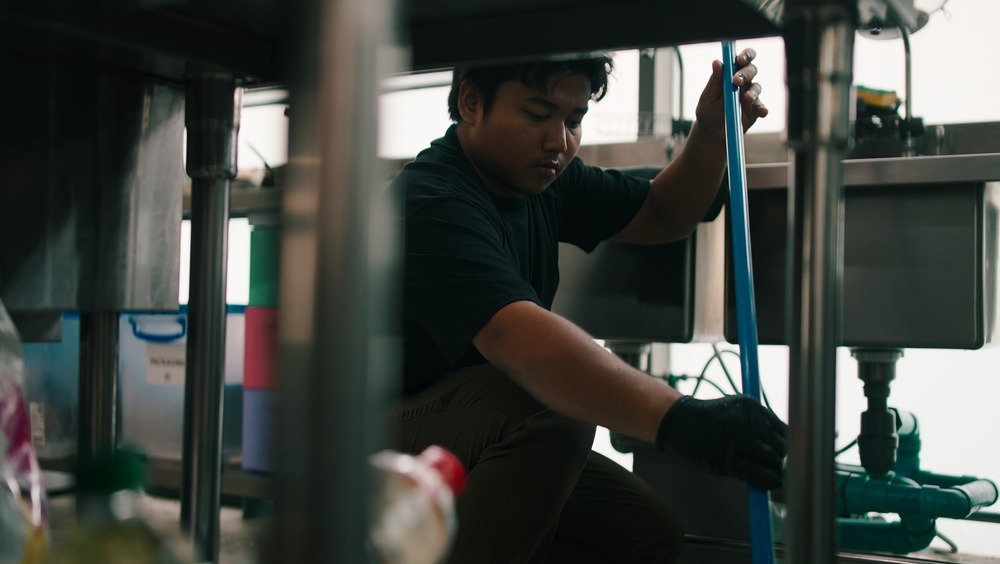
Plumbing disasters rarely give advance notice. They tend to strike during off-hours when water pressure inside municipal supply lines spikes due to low community-wide usage. Understanding why lines fail helps you spot early warning signs before a catastrophic rupture forces a midnight shutdown.
- High Municipal Line Pressure: Late at night, total water consumption across municipal distribution networks drops drastically. This sudden decrease in demand creates localized pressure surges within neighborhood mains. If your home lacks a functional pressure-reducing valve (PRV), these pressure spikes push internal plumbing connections past their rated capacity, causing aged supply lines to split.
- Corrosion and Age: Older homes built with galvanized steel, rigid copper, or early-generation polybutylene piping suffer continuous chemical erosion from dissolved minerals in the water supply. Over decades, metal walls thin out until water pressure pierces the exterior shell.
- Red Clay Ground Shift: Soil movement is a constant factor in our region. Heavy rainfall followed by rapid drying causes red clay soils to swell and shrink dramatically. This expansion puts massive shear stress on underground water service lines, concrete slab foundations, and buried drain systems, leading to sudden fractures.
- Thermal Shock: Sudden temperature drops stress exposed piping. Even moderate seasonal shifts cause metal and plastic lines to expand and contract. Over time, this movement weakens solder joints, threaded fittings, and crimp rings until they snap under normal operating pressure.
Locating Your Water Shut-Off Valves: Interior vs. Exterior Options
Finding your shut-off valve in the dark while water floods your floors demands quick action. Knowing exactly where your builder placed your isolation points saves precious minutes.
- Basement Foundation Walls: If your home features a finished or unfinished basement, trace the main water line where it penetrates the front foundation wall closest to the street. The main valve usually sits within three feet of this entry point.
- Crawl Space Entrances: In homes built on crawl space foundations, the valve typically mounts just inside the access hatch or along the interior perimeter wall facing the main road.
- Garage and Utility Closets: Slab-on-grade homes do not have under-floor access. Builders place the main shut-off valve inside an attached garage, near the hot water heater, or under the kitchen sink.
- Outdoor Meter Boxes: Located underground near the curb line inside a concrete or heavy-duty plastic housing. This box houses the municipal water meter and the customer-side curb stop valve.
Critical Tools Every Homeowner Should Keep on Hand
When water flows uncontrollably across your subfloor, hunting through a messy garage for tools wastes critical time. We advise keeping an emergency water shutdown kit stored in an easily accessible location.
- Water Meter Key: A 28-to-36-inch steel T-handle tool designed to reach deep into outdoor meter pits and turn stubborn curb stop valves.
- Flashlight or Headlamp: Bright, hands-free illumination is vital when working in dark crawl spaces, garages, or outdoor meter pits during night power outages.
- Flathead Screwdriver or Curb Box Key: Essential for prying open settled metal or plastic meter pit lids that accumulate dirt and debris over time.
- Adjustable Wrench or Slip-Joint Pliers: Useful for grabbing indoor valve handles that have lost their rubber grips or turning stubborn square valve stems.
- Penetrating Oil: Spraying a rusted gate valve stem with penetrating lubricant helps free seized metal threads without snapping the handle.
What to Do If Your Water Shut-Off Valve Is Stuck or Broken
Old gate valves sit undisturbed for years, allowing mineral scale and oxidation to weld the internal stem to the valve housing. Forcing a stubborn valve can snap the brass rod, leaving the valve permanently open or causing a secondary leak right at the main entry line.
- Never use excessive force or pipe extensions. Applying cheater bars or heavy hammers to an aged gate valve will fracture the internal brass casting.
- Apply penetrating oil to the stem’s exposed threads. Allow the oil to soak into the threads for two to three minutes to break up corrosion.
- Gently rock the handle back and forth. Turn the wheel clockwise a quarter-turn, then back counter-clockwise an eighth-turn. Repeat this rocking motion gradually to clear mineral deposits off the internal gate track.
- Bypass to the outdoor curb stop. If the interior valve will not budge, leave it alone and immediately move to the street-side meter box to shut off the water using your meter key.
- Call for immediate professional intervention. If both valves are frozen or damaged, contact our dispatch center immediately for emergency leak detection and immediate isolation support.
The Silent Danger: Identifying Hidden Slab Leaks and Structural Ruptures
Not all plumbing disasters present themselves as sudden, dramatic floods. Some of the most destructive failures occur quietly beneath your feet inside poured concrete slab foundations. Hot or cold water supply lines buried within or under concrete can develop pinhole leaks due to soil friction, chemical corrosion, or poor original pipe bedding.
Over time, water escaping under high pressure washes away supporting soil, cracking concrete slabs, ruining hardwood flooring, and causing structural settling. Because these leaks remain hidden from view, homeowners often only notice them when monthly water bills spike or warm spots appear on floor tiles.
At Leak Detection Service Pros, we specialize in non-invasive slab leak detection using advanced acoustic sensors, thermal imaging equipment, and line-locating technology. We locate buried leaks beneath concrete without tearing up your flooring unnecessarily. Detecting these hidden subterranean failures early saves homeowners thousands of dollars in foundation structural repairs.
Comprehensive Leak Detection Services We Provide
Once you have safely isolated your main water supply, the immediate threat to your home stops. However, fixing the underlying pipe failure requires specialized diagnostic equipment to locate the exact break site without causing unneeded damage to your property. We offer comprehensive residential leak detection and commercial leak detection solutions across the area.
- Emergency Leak Detection: Rapid-response diagnostic teams dispatched to isolate active line breaks, pressurized pipe splits, and concealed failures during critical situations.
- 24-Hour Leak Detection: Round-the-clock availability ensuring expert technicians arrive equipped with acoustic monitoring units no matter what time disaster strikes.
- Precision Water Leak Detection: Using specialized correlation loggers and ground microphones to pinpoint small line punctures hidden inside finished walls or underground.
- Advanced Slab Leak Detection: Thermal visual mapping and acoustic frequency tracking designed to isolate sub-slab supply line failures without destructive concrete removal.
- Residential Leak Detection: Complete system evaluations for single-family homes, townhouses, and historic properties to identify hidden supply line degradation.
- Commercial Leak Detection: Specialized inspection services for retail spaces, office buildings, and multi-family complexes requiring high-capacity line diagnostics.
- Same-Day Leak Detection: Rapid diagnostic scheduling designed to locate pipe faults quickly so repairs begin without long delays.
- Gas Leak Detection: Comprehensive safety scanning using digital combustible gas sniffers to isolate propane and natural gas line leaks inside and outside your property.
Specialized Leak Detection Technologies We Use
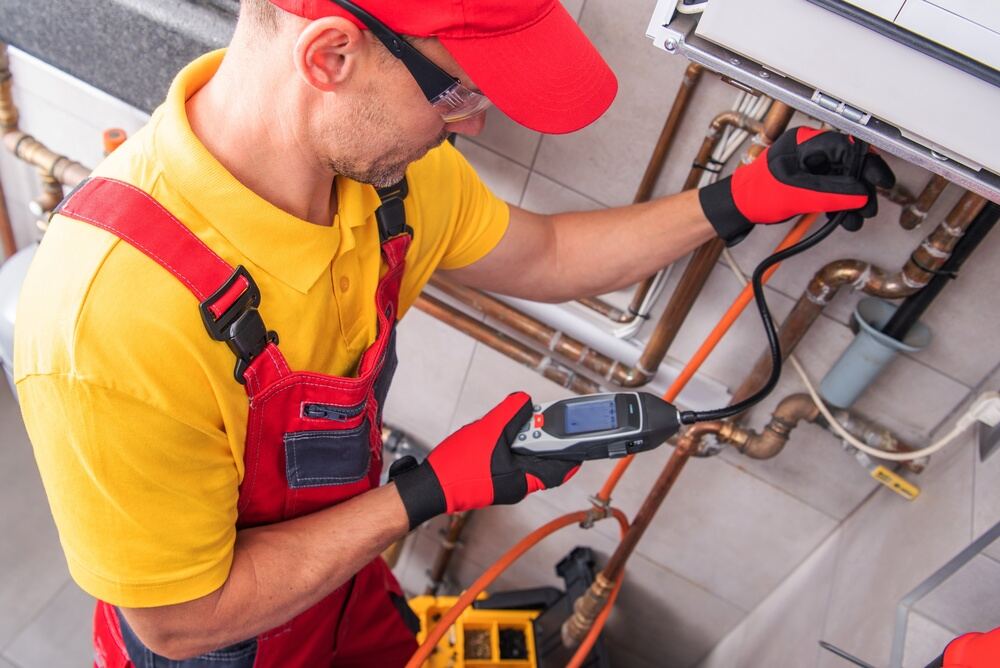
Locating a hidden plumbing leak behind tile, under hardwood, or six feet underground demands advanced diagnostic equipment. We invest in top-tier technology to pinpoint pipe failures accurately, eliminating destructive guesswork.
- Acoustic Pipe Locators and Ground Microphones: Pressurized water escaping through a crack produces specific sound frequencies. Our high-frequency acoustic amplification gear allows technicians to “listen” through soil and concrete, pinpointing the leak’s location down to the inch.
- Infrared Thermal Imaging Cameras: Thermal cameras detect tiny temperature differences caused by hot or cold water accumulating behind drywall, under subfloors, or beneath concrete slabs. This visual mapping reveals moisture paths instantly without touching the wall.
- Tracer Gas Systems: When diagnosing non-pressurized or complex underground supply lines, we inject a safe, non-toxic gas mixture into the pipe. Our sensitive gas detection units sweep the ground above, picking up escaping gas particles to locate deep fractures.
- Endoscopic Inspection Cameras: High-definition micro-cameras mounted on flexible cables allow us to inspect pipe interiors, wall cavities, and tight utility spaces directly without cutting large holes in finished surfaces.
Why Choose Leak Detection Service Pros
When an unexpected plumbing crisis strikes your property, you need a team that brings rapid response times, specialized equipment, and honest expertise to the job. We have built our reputation on dependable service delivery and top-quality workmanship.
From our early days as a small local operation, we have expanded into a multi-team service provider capable of handling complex residential and commercial pipe emergencies simultaneously. We integrated industry-leading leak detection tools and non-invasive diagnostic systems into our daily operations, ensuring we find leaks quickly without causing unnecessary damage to your home.
Having successfully supported thousands of homeowners and businesses in Snellville and neighboring communities, our team is recognized locally for prompt response times and trusted service delivery. We consistently maintain high customer satisfaction through quality workmanship, clear communication, and transparent pricing. When you call us, you receive dedicated support from skilled professionals who care about protecting your property.
Frequently Asked Questions
- How do I turn off my main water line without a key?
If your interior valve is broken, you can open the outdoor meter pit lid using a screwdriver and use sturdy channel-lock pliers or an adjustable wrench to carefully turn the square valve lug clockwise.
- Where is the water valve in a slab foundation home?
In slab-on-grade construction, main water shut-off valves are usually installed inside the garage, in an interior water heater closet, or under the kitchen sink.
- What happens if I turn my water main valve the wrong way?
Turning a gate valve counter-clockwise opens it further, which can strip internal threads or force water out around the packing nut if already fully open.
- Why is my main water shut-off valve so hard to turn?
Mineral scale, rust, and internal corrosion build up on valve stems over time, seizing the mechanism when left unoperated for long periods.
- Can a leak occur under a concrete slab without water showing?
Yes, water escaping beneath a slab can sink deep into sub-grade soil or flow along utility trenches without immediately pooling on your indoor floor surface.
- Is shutting off the main water line safe during an active leak?
Yes, turning off the main supply line immediately cuts off system pressure, stopping continuous flooding and minimizing structural damage.
Fast Emergency Isolation Prevents Costly Structural Damage
A late-night plumbing crisis tests any homeowner’s patience, but knowing how to turn off your main water line fast gives you complete control over the situation. Locating your main valve ahead of time, stocking a basic water meter key, and understanding how to operate ball or gate valves stops flooding immediately and protects your floorboards, drywall, and personal property from severe water damage.
Once you have closed that main valve and halted the immediate flood, you need a trusted team to locate the underlying breach and restore your plumbing system safely. At Leak Detection Service Pros, our experienced technicians deliver rapid same-day leak detection, precise diagnostic imaging, and long-lasting pipe repairs tailored to your property. Don’t let a midnight rupture ruin your home. Keep our contact information saved, locate your main valve today, and call our team the moment you suspect a hidden leak!
Recent Posts