Plumbing trouble creates immediate stress for every property owner. When water backs up into a sink or drains run sluggishly, figuring out what is happening beneath your floorboards becomes a top priority. A simple blockage creates a temporary headache, while a damaged underground pipe allows wastewater to seep into the surrounding soil. Knowing the difference between these two issues helps you make the right call for your home. Leak Detection Service Pros provides accurate diagnostic work to locate hidden plumbing failures quickly. If you suspect an issue underground, getting professional sewer line leak detection in Athens, GA gives you clear answers about the true condition of your waste lines.
How Wastewater Clogs Form in Your Home
Everyday household activities introduce a constant stream of organic matter and debris into your drainage network. Over time, grease from the kitchen sink, soap scum from the shower, and hair collect along the interior walls of your pipes. This buildup slowly restricts the passage of water until a complete blockage occurs. Grease, hair, soap residue, and other debris can gradually restrict wastewater flow and eventually cause a complete blockage.
When a standard blockage forms, the symptoms remain contained within specific areas of your building. A blocked kitchen sink drain will prevent that single basin from emptying, while the rest of the building continues to drain water without issue. The materials causing the restriction sit inside the pipe, acting as a solid plug that holds water back without damaging the structural integrity of the line itself.
Warning Signs That Point to Underground Pipe Damage
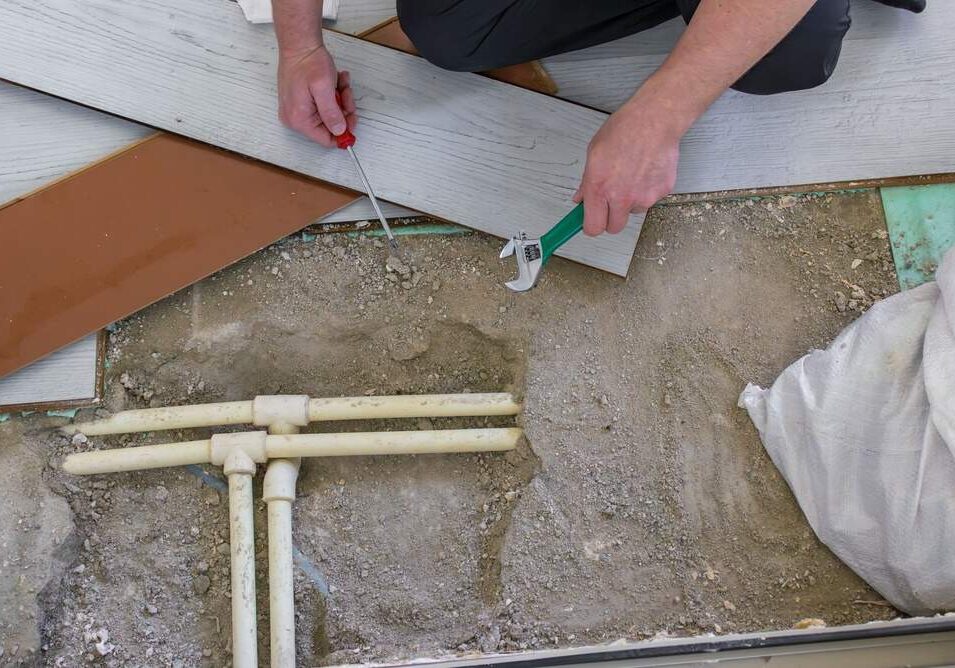
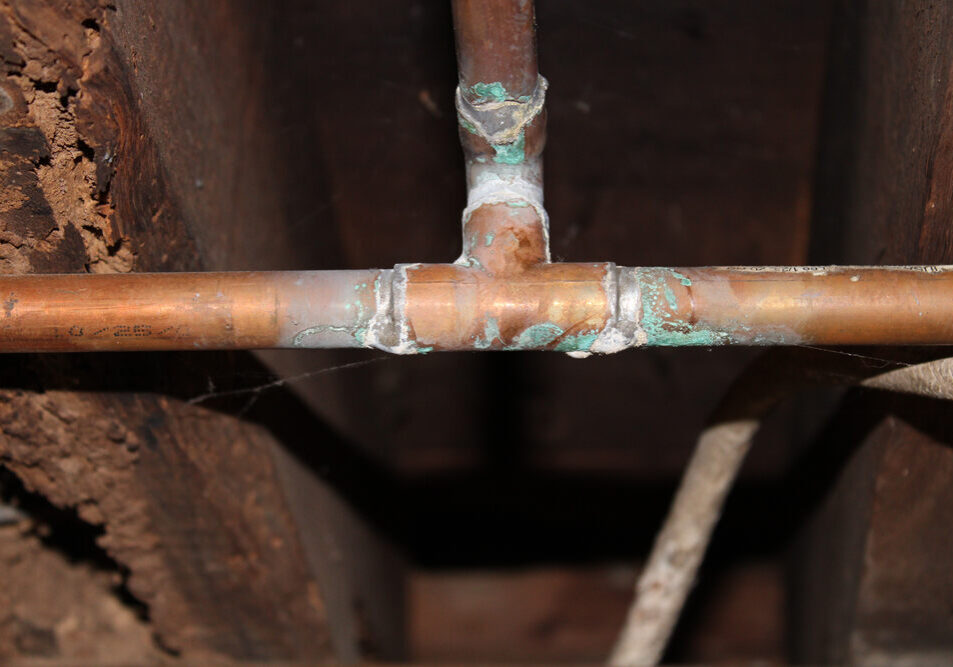
Physical damage to buried pipe materials manifests through very different physical symptoms than standard blockages. When a pipe cracks, sags, or separates at a joint, wastewater exits the system and enters the soil surrounding your foundation. Aging pipes can develop cracks, separated joints, corrosion, or other structural problems that allow wastewater to escape into the surrounding soil.
As liquid escapes through a subterranean crack, the surrounding soil absorbs the moisture and expands. This localized saturated earth creates damp patches in your yard that remain wet even during dry summer weeks. You might notice grass growing unusually thick or vibrant over the exact path of your underground line, nourished by the constant supply of nutrient-rich wastewater escaping from below.
Inside the building, structural pipe failures often create persistent sewer gas odors that escape through floor drains or wall cavities. Because the waste stream leaks out before reaching the main municipal line, air bubbles get trapped inside the system. You might hear distinct gurgling sounds coming from your toilet bowl when running the bathroom sink faucet.
Checking Multiple Fixtures for Systemic Problems
A quick way to narrow down your plumbing issue involves running water in different rooms simultaneously. Turn on your bathtub faucet and watch the nearest toilet bowl closely. If water backs up into the shower drain when you flush the toilet, the restriction sits deeper within your drainage network.
When a standard blockage settles in the main stack, water sits trapped within the pipe walls. When a structural leak develops underground, the escaping liquid undermines the soil support beneath your concrete slab or driveway. Over extended periods, this loss of soil density causes small cracks to appear along concrete surfaces directly above the pipe path.
A sewer line camera inspection allows technicians to view the interior condition of your pipes without digging up your landscape. Inserting a high-resolution camera directly into the line reveals whether you face a solid grease mass or a fractured pipe wall buried six feet underground.
Soil Conditions and Foundation Shifts Around Buried Lines
Soil composition plays a significant role in how underground pipe damage presents itself at the surface. Expansive clay soils react heavily to added moisture from underground wastewater releases. As the ground absorbs leaking water, it swells upward, placing mechanical stress against your foundation walls and concrete floor slabs.
Sinking ground creates another clear indicator of underground pipe fractures. As wastewater streams out of a cracked line, it washes away loose dirt particles, creating empty subterranean voids. The surface lawn above these pockets eventually sags downward, creating noticeable dips or soft spots across your yard.
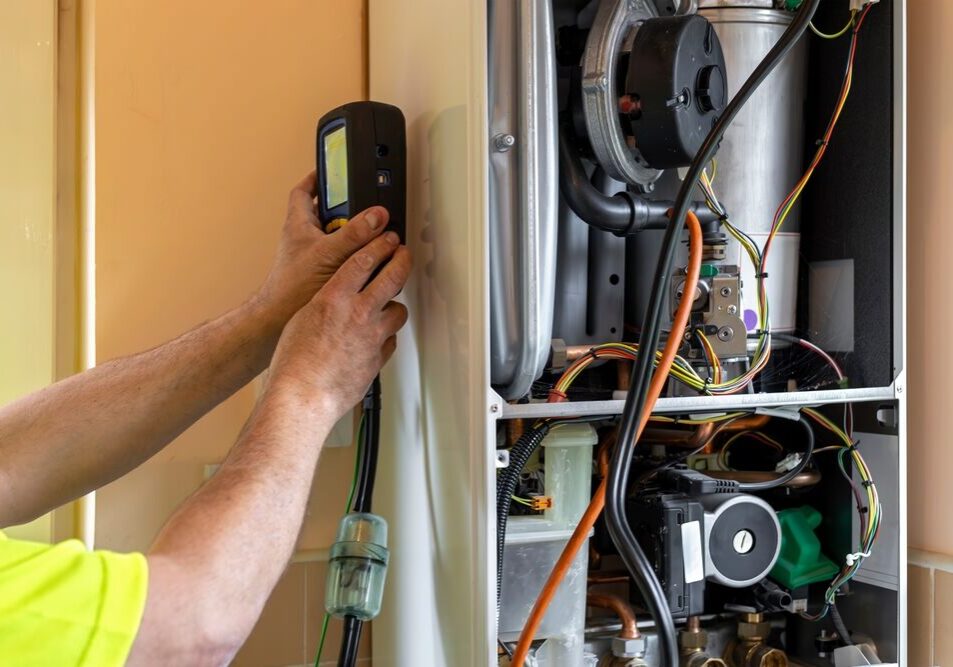
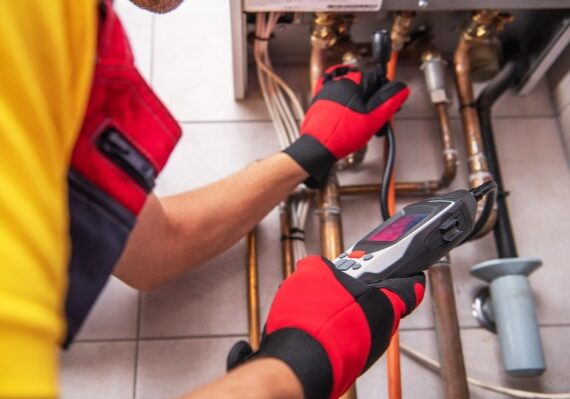
A professional sewer line leak inspection identifies the exact point where soil erosion begins. By using sound amplification equipment and pressure testing apparatus, specialists locate line breaks through thick layers of dirt and concrete slab foundations.
Environmental Factors That Threaten Underground Pipes
Tree roots naturally seek out moisture sources hidden beneath the soil surface. Even a tiny pinhole leak or loose fitting along your main waste pipe releases water vapor into the surrounding earth. Nearby trees extend fine root tendrils toward that moisture, eventually forcing their way into the pipe joints.
Once inside, the roots feed on the nutrient-rich water and expand in diameter. This expansion splits the pipe open from the inside out, turning a simple joint separation into a structural failure. Root intrusion can worsen existing cracks or openings in underground pipes, eventually restricting flow and contributing to further pipe damage.
Performing a routine sewer line inspection catches early root intrusion before the root mass breaks the pipe wall completely apart. Identifying these early intrusions allows property owners to clean out the line before structural cracks form underground.
Diagnostic Methods Used for Underground Waste Lines
Locating hidden plumbing failures requires specialized equipment designed to penetrate soil, concrete, and building materials. Rather than relying on guesswork, modern diagnostic approaches use electronic signals and visual imaging to evaluate pipe health.
Technicians perform a sewer line leak repair only after precisely mapping the location and depth of the damaged section. Utilizing sound reflection technology allows specialists to detect the distinct acoustic frequency of water escaping under low pressure from buried pipe walls.
When standard drain cleaning methods fail to clear a stubborn backing issue, scheduling an emergency sewer line leak detection service isolates whether a structural collapse has occurred beneath your lawn. Determining the exact physical state of the pipe prevents unnecessary digging across your property.
Diagnostic Procedures and Rehabilitation Materials
Resolving serious underground pipe issues involves a structured, step-by-step diagnostic and repair process. Technicians first perform a thorough video survey to evaluate the structural integrity of the line. Detailed physical schematics and digital flow diagrams guide the entire restoration workflow.
If structural rehabilitation is required, technicians insert a specialized felt liner saturated with epoxy resin directly into the existing pipe. This flexible liner conforms tightly to the interior walls of the damaged line, bridging any cracks or open joints without requiring destructive excavation.
Once the resin-soaked liner sits in place, technicians apply heat to cure the material into a solid, continuous structure. UV curing uses focused ultraviolet light arrays pulled through the line to harden the resin in a fraction of the time required by traditional steam curing methods. Depending on the condition of the pipe, location of the damage, and available repair options, a professional may recommend an appropriate rehabilitation or replacement method after the inspection.
Frequently Asked Questions
Q: What causes a sewer pipe to crack underground?
A: Ground movement, heavy vehicle traffic above the pipe path, and invasive tree roots frequently fracture buried lines over time. Aging materials like cast iron or clay also become brittle and crack naturally.
Q: How do you locate a sewer leak without digging?
A: Technicians use specialized subterranean cameras and acoustic listening devices to pinpoint the exact location of a leak through soil and concrete. These non-invasive tools map the pipe structure from above ground.
Q: Can a clogged drain fix itself over time?
A: Solid blockages do not clear on their own and typically collect more debris over time. Leaving a severe blockage unaddressed increases pressure inside the line and leads to pipe wall damage.
Q: How long does a video pipe check take to perform?
A: The time required for a video inspection depends on the length of the line, accessibility, and condition of the plumbing. A technician can provide a more accurate estimate after evaluating the system. The visual feed provides instant answers about the internal condition of your pipes.
Leak Detection Service Pros has expanded from a small local operation to a multi-team service provider equipped with industry-leading leak detection tools and non-invasive diagnostic systems. Having successfully supported thousands of homeowners and businesses in Athens, we remain recognized locally for prompt response times and trusted service delivery. Our team has consistently maintained high customer satisfaction through quality workmanship on every single job. When you suspect line damage beneath your property, call Leak Detection Service Pros to get your waste lines diagnosed today.
Recent Posts