Leaks can sometimes be hidden so well that even the smallest warning sign never appears. No hiss, no drip, no damp patch spreading across drywall. The water bill climbs month after month while a stethoscope pressed against the wall picks up nothing but silence. When acoustic tools and moisture meters hit a dead end, Leak Detection Service Pros turn to a method built for exactly this kind of mystery: tracer gas detection.
Homeowners searching for leak detection in Winder, GA, often reach this point only after conventional listening equipment has already come up empty, which is when gas tracing becomes the more reliable path forward.
What Is Tracer Gas Detection?
Tracer gas detection replaces sound with chemistry. A pipeline is drained, sealed, and filled with a pressurized blend of helium or nitrogen and a small percentage of hydrogen. Both gases are inert, non-toxic, and safe for occupied homes and businesses. Because the gas molecules are far smaller than water molecules, they escape through cracks, pinholes, and joint failures that water can barely seep through, let alone make noise doing so. Once the gas escapes the line, it travels upward through soil, concrete, or wall cavities until it reaches open air, where a specialized sensor can detect even trace concentrations.
How Does Gas Find What Water and Sound Cannot?
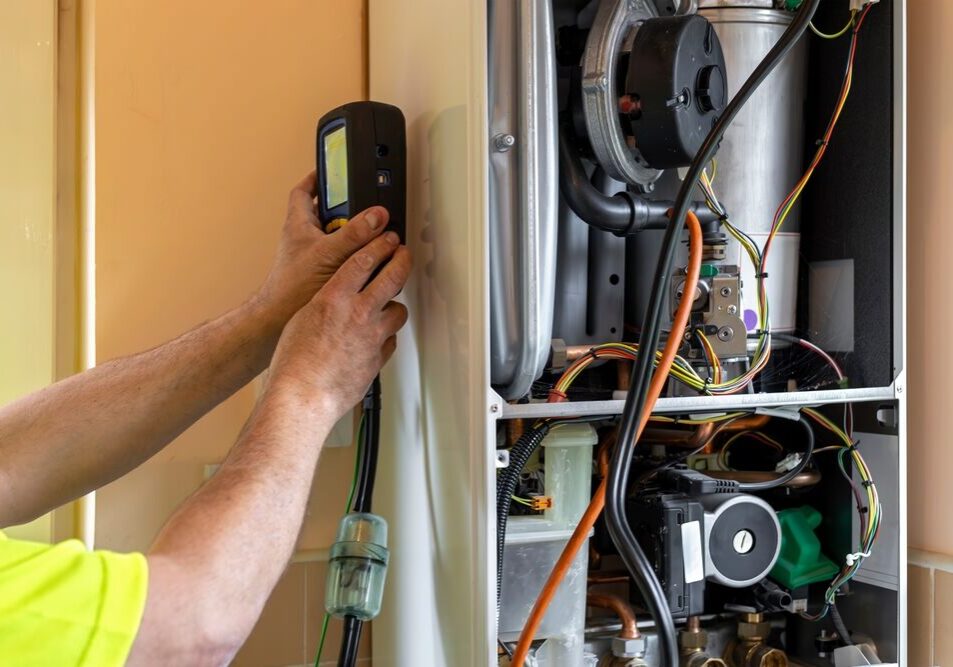
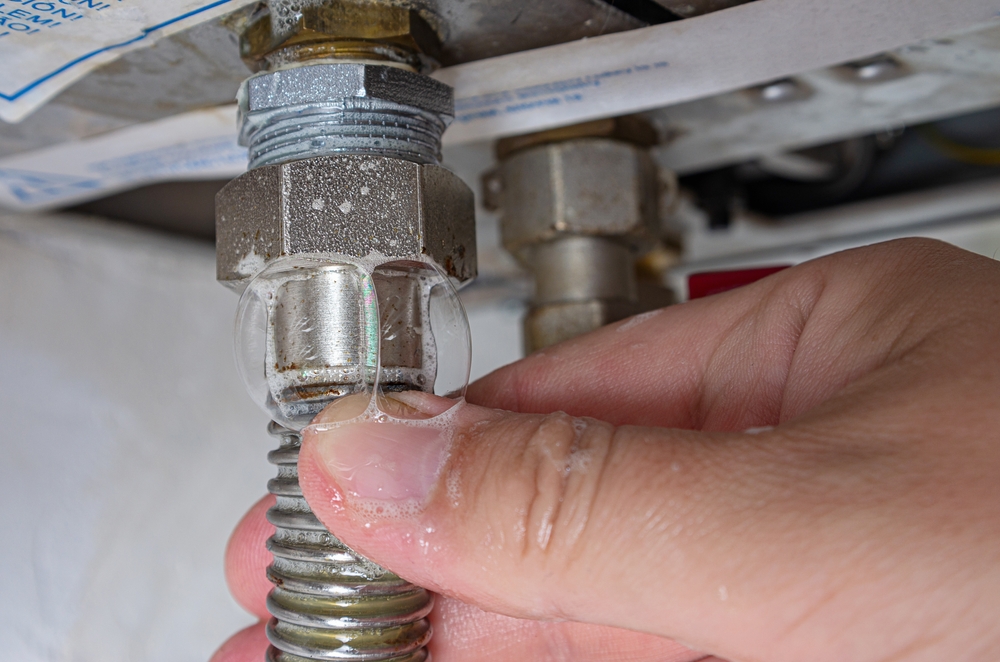
Water leaking through a hairline fracture at low pressure often produces no audible signature at all, especially under a slab or behind tile. Tracer gas sidesteps that limitation entirely. A technician sweeps a handheld sniffer probe across the suspected area, and the device reads gas concentration in real time. Readings spike sharply directly above or near the leak point, allowing the location to be marked within inches. This is one reason the method has become the standard for slab leak detection, where pipes sit under several inches of concrete and traditional listening devices struggle to isolate a signal through that much mass.
Where Tracer Gas Detection Gets Used
This approach isn’t limited to one type of pipe or property. Common applications include:
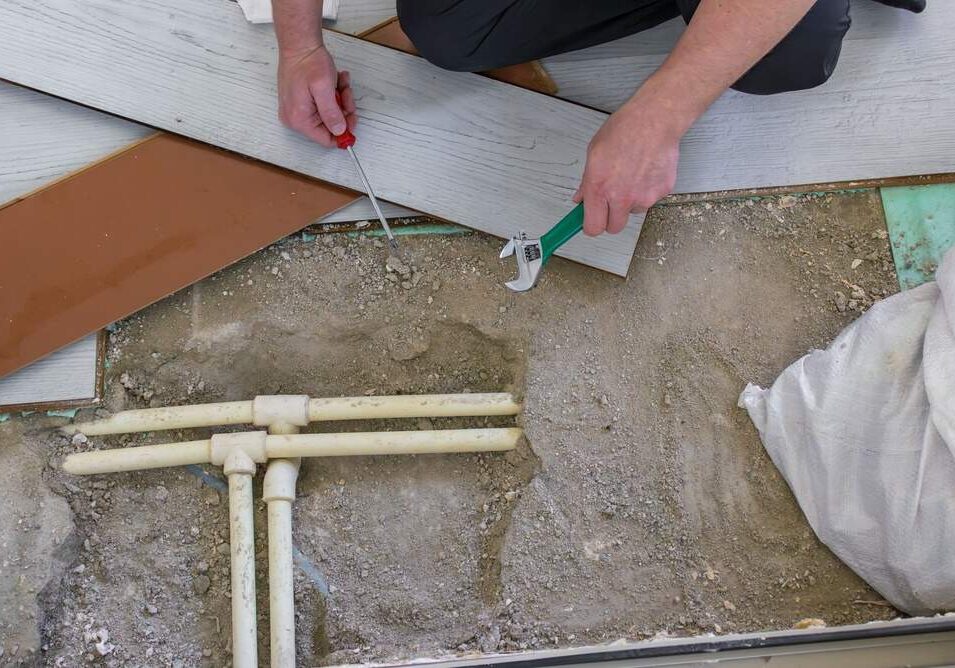
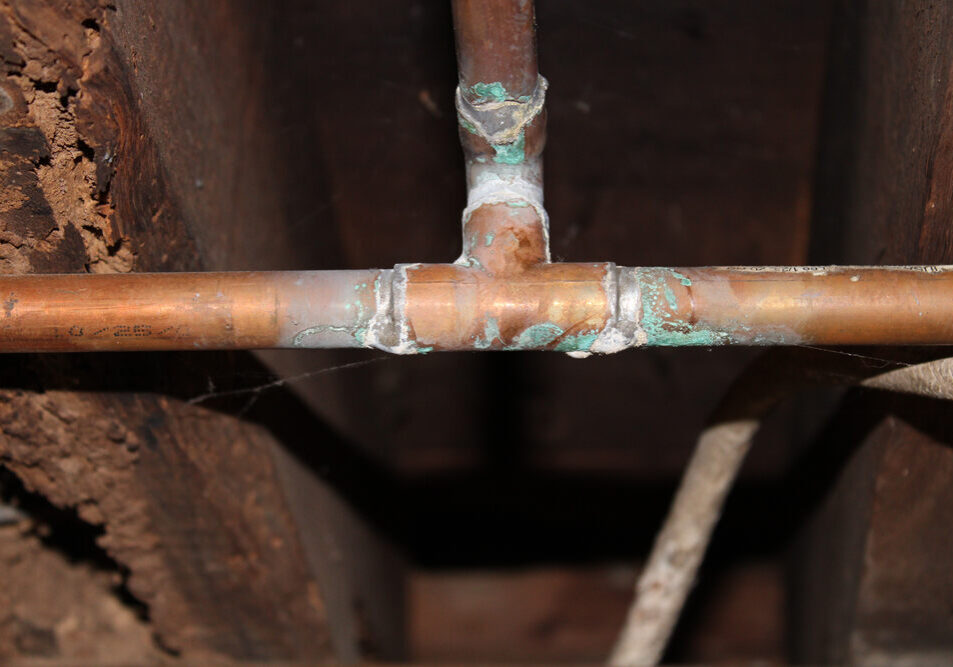
- Copper, PEX, or galvanized supply lines buried under flooring
- Irrigation systems with no visible surface pooling
- Water lines running beneath driveways or landscaping
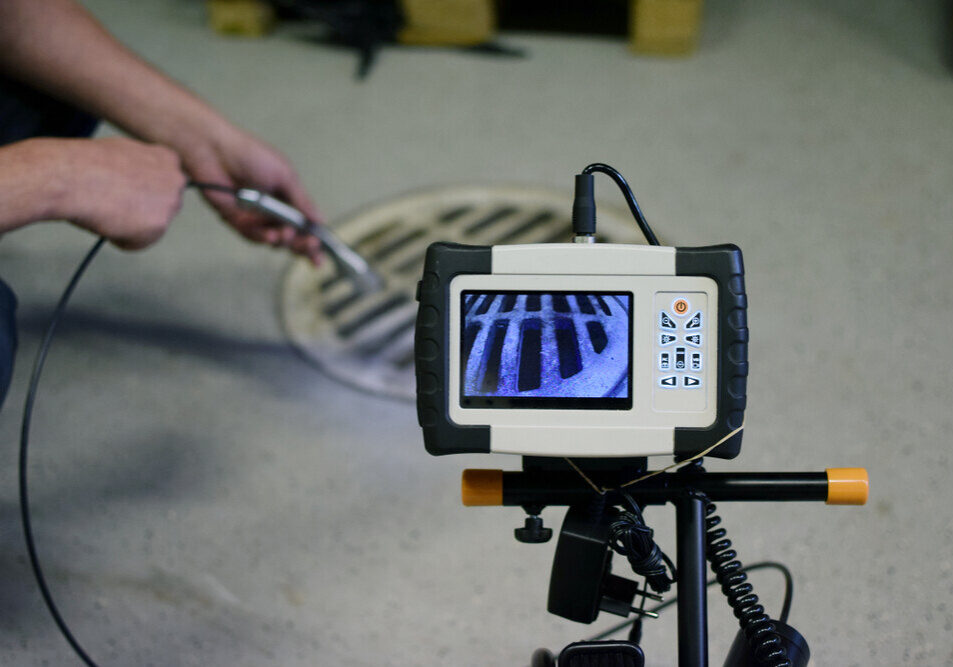
- Drain and sewer leak detection where odor or soil saturation is the only clue
- Radiant heating loops embedded in concrete
Both residential leak detection and commercial leak detection projects benefit from the same core process, whether the job involves a single-family home or a multi-unit building with a maze of shared plumbing. Pipe leak detection in commercial settings often demands this level of precision simply because excavation costs and business disruption are higher stakes than in a typical house call.
What Happens During an Inspection
The process is more procedural than technical jargon suggests:
- The affected line is isolated and drained of water
- Tracer gas is introduced at a controlled pressure
- A technician scans exposed surfaces, joints, and slab seams with a gas detector
- Gas concentration readings narrow the search to a specific point
- The exact location is marked before any digging or demolition begins
Because the leak site is confirmed before repair work starts, homeowners avoid the guesswork that leads to multiple holes in a wall or unnecessary trenching across a yard.
Frequently Asked Questions
Is tracer gas safe to use inside an occupied home?
Yes. Helium and nitrogen-hydrogen blends used in this process are non-flammable at the concentrations applied and dissipate quickly into the atmosphere without leaving residue or odor behind.
How long does a tracer gas test typically take?
Most inspections run between one and three hours, depending on the length of pipe being tested and how accessible the surrounding structure is.
Can tracer gas detect a leak in a sewer line, not just water supply pipes?
Yes. The same principle applies to drain and sewer systems, where gas introduced into a cleared line will surface through cracks or separated joints, even under a slab.
Finding Leaks Without the Guesswork
Precision matters when the alternative is tearing into a slab or wall based on a hunch. Leak Detection Service Pros grew from a small local operation into a multi-team service provider by pairing tools like tracer gas with the kind of non-invasive diagnostic systems that keep repairs targeted and minimally disruptive. That growth reflects years of prompt response times and consistent workmanship recognized throughout the communities served. For a leak that has outsmarted a microphone and a flashlight, gas tracing offers a way to find the answer without opening every wall in the house.
Reach out to us now for expert inspection!
Recent Posts