A sudden sewer smell coming from a guest bathroom or basement drain can be confusing, especially when that space has not been used in a while. The issue often feels random, but it usually has a simple physical explanation tied to how your plumbing system blocks sewer gases.
Most homeowners assume something is broken, but in many cases, the water seal inside a drain has simply dried out. At Leak Detection Service Pros, we regularly help homeowners in need of the skilled hands of a seasoned plumber in Snellville, GA, after noticing these unexpected odors and assuming a more serious plumbing failure.
In this article, we break down how P-traps work, why odors appear, and when the issue points to deeper plumbing concerns that require professional inspection.
What you’ll learn:
✅ How a plumbing P-trap actually works
✅ Why unused drains start to smell
✅ Simple fixes homeowners can try first
✅ When odors signal a larger plumbing issue
✅ When to call for professional diagnostics
WHAT IS A P-TRAP?
A P-trap is a curved section of pipe located under sinks, tubs, showers, and floor drains. Its job is simple but critical: it holds a small amount of water that acts as a barrier between your home and the sewer system.
That water seal prevents sewer gases from traveling back into your living space. When everything is working correctly, you never notice it.
The misconception is that the trap “blocks” odors mechanically. In reality, it uses water pressure and simple gravity to maintain a seal that separates indoor air from sewer air.
WHY THE P-TRAP MATTERS
Your plumbing system is designed to move wastewater out while keeping gases and bacteria from coming in. The P-trap is one of the most important parts of that balance.
When it fails or dries out, sewer gas has a direct path into your home. This is why unused bathrooms, basement drains, or guest showers often develop noticeable odors over time.
These situations are especially common in homes that experience seasonal use of certain fixtures or limited water flow in secondary bathrooms.
KEY BENEFITS / COMMON CAUSES OF ODORS
Evaporation in unused drains
When a fixture is not used for weeks or months, the water inside the trap slowly evaporates. Once the water level drops too low, the seal breaks and odors enter the home. This is one of the most common causes of “mystery” sewer smells in guest bathrooms and basement floor drains.
Air pressure changes in plumbing systems
Changes in air pressure inside drain lines can sometimes pull water out of the trap. This is more likely in older systems or homes with venting issues.
Blocked or restricted drain flow
Partial blockages from debris can disrupt how water sits in the trap. In some cases, homeowners mistake this for a deeper issue and request drain cleaning when the real problem is simple trap function.
EXPERT INSIGHT FROM THE FIELD
From a diagnostic standpoint, odor complaints are one of the most misunderstood plumbing issues. Many homeowners assume the worst, but in reality, a dry trap is often the simplest explanation.
However, repeated odor issues across multiple fixtures can signal something more complex than a simple toilet repair, such as venting problems or hidden pipe damage. This is where professional evaluation becomes important, especially when symptoms persist even after basic fixes.
When homeowners call us, the goal is often to distinguish between a simple maintenance issue and a deeper system imbalance.
MAIN BREAKDOWN: HOW THE SYSTEM CONNECTS
Drain traps and household fixtures
Every sink, tub, and floor drain relies on a water barrier. When functioning correctly, it isolates sewer gases and maintains indoor air quality. If the trap dries out, odors appear quickly. This is often mistaken for a larger failure, even though the fix can be simple.
Venting systems and air movement
Your plumbing system uses vent pipes to regulate air pressure. When these vents are blocked or damaged, pressure imbalances can pull water from traps. This is where more advanced plumbing repair may be needed to restore system balance.
Sewer line conditions and odor transfer
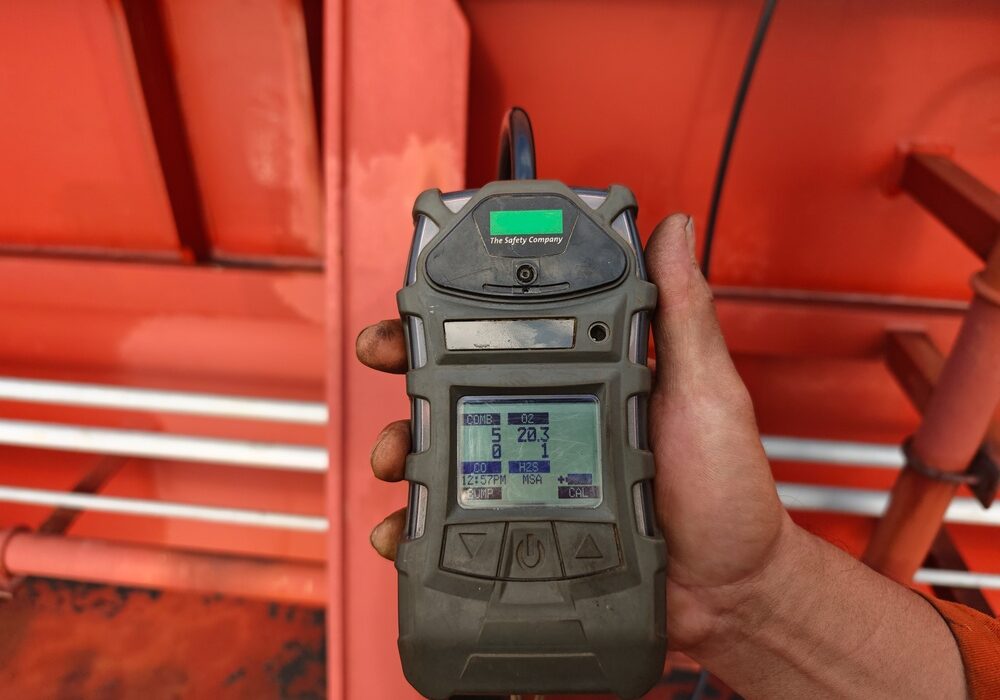
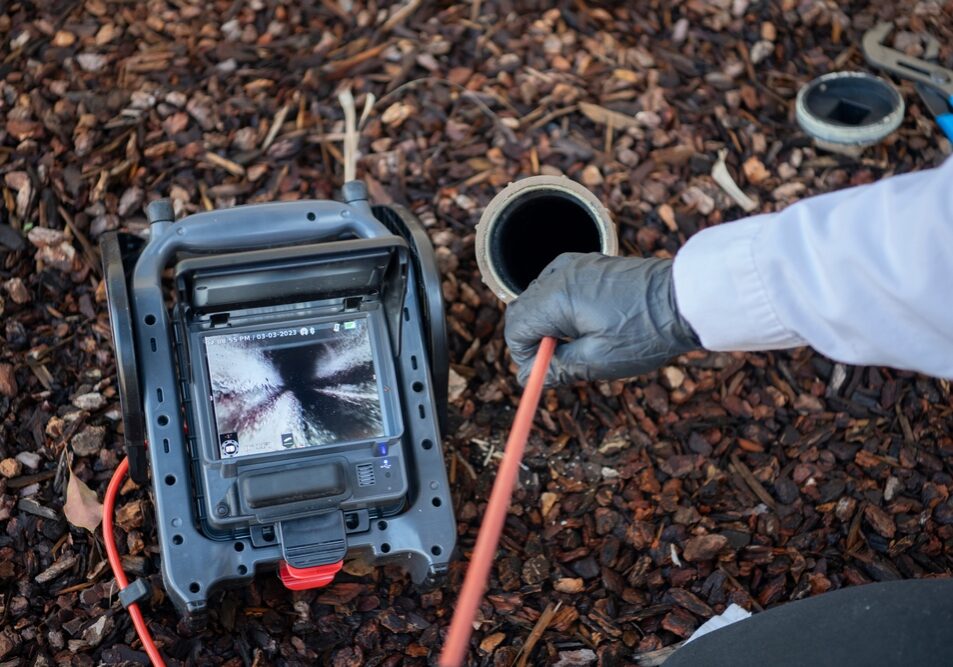
In some cases, odors are not coming from the trap at all. They may originate deeper in the system and travel upward through weak points in the line. This is where diagnostic tools and services like hydro jetting or camera inspection may be used to assess the condition of the system.
PRACTICAL APPLICATION / NEXT STEPS
If you notice a sewer smell in an unused bathroom, the first step is simple: run water in all fixtures. This refills the P-trap and often resolves the issue immediately.
Homeowners should also:
📝 Regularly run water in unused bathrooms
📝 Check for slow drainage or gurgling sounds
📝 Avoid relying only on chemical fixes
📝 Monitor if odors return after refilling traps
If odors persist after these steps, it may indicate a deeper issue requiring professional inspection. In these cases, services like toilet installation, repair, or full system evaluation may be necessary depending on where the odor originates.
FUTURE TRENDS / INDUSTRY OUTLOOK
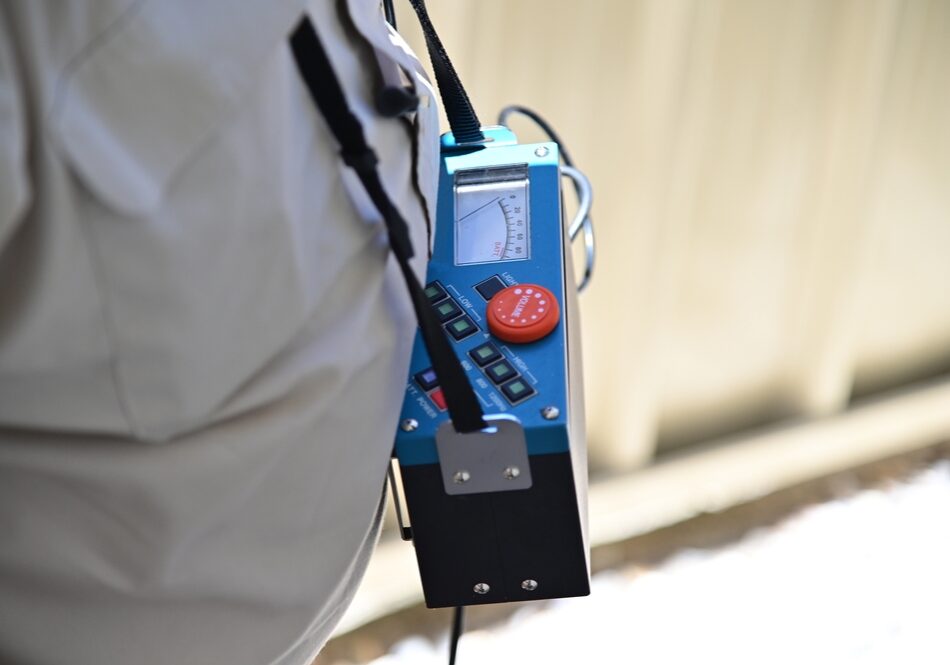
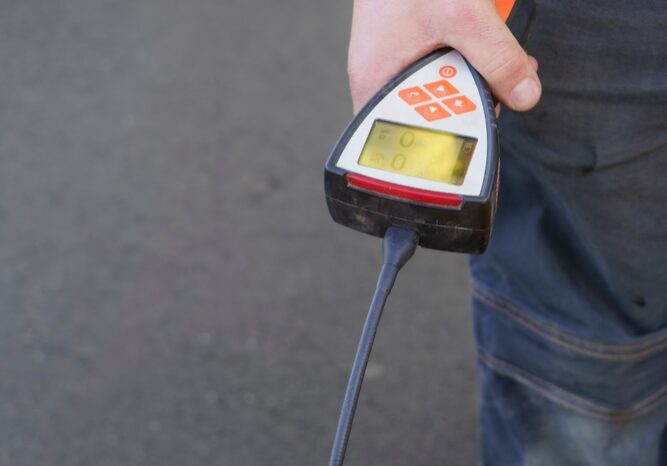
Modern plumbing diagnostics are increasingly focused on non-invasive detection methods. Instead of relying on trial-and-error repairs, technicians now use advanced inspection tools to pinpoint venting issues, pressure imbalances, and hidden leaks. As systems become more complex and homes age, demand for accurate diagnosis continues to grow, especially for recurring odor complaints that traditional methods fail to resolve.
FAQs
Why does my bathroom smell like sewage when it hasn’t been used?
Most often, the water in the P-trap has evaporated, breaking the seal that blocks sewer gases.
Will pouring water down the drain fix the smell?
Yes, in many cases refilling the trap restores the barrier and eliminates odors.
What if the smell keeps coming back?
Repeated odors may indicate venting issues or hidden plumbing problems that require inspection.
Can drain cleaning fix sewer odors?
Not usually. Drain cleaning helps with blockages, but odors often come from trap or vent issues.
Sewer odors inside the home are often linked to simple plumbing mechanics rather than severe system failure. The P-trap plays a small but essential role in keeping sewer gases contained, and when it loses its water seal, odors can appear quickly.
At Leak Detection Service Pros, we help homeowners identify whether the issue is a basic maintenance concern or something deeper within the system. As a trusted provider of emergency plumbing support, we use advanced diagnostic tools and real-world experience to locate the true source of plumbing problems and guide the right solution forward!
Recent Posts