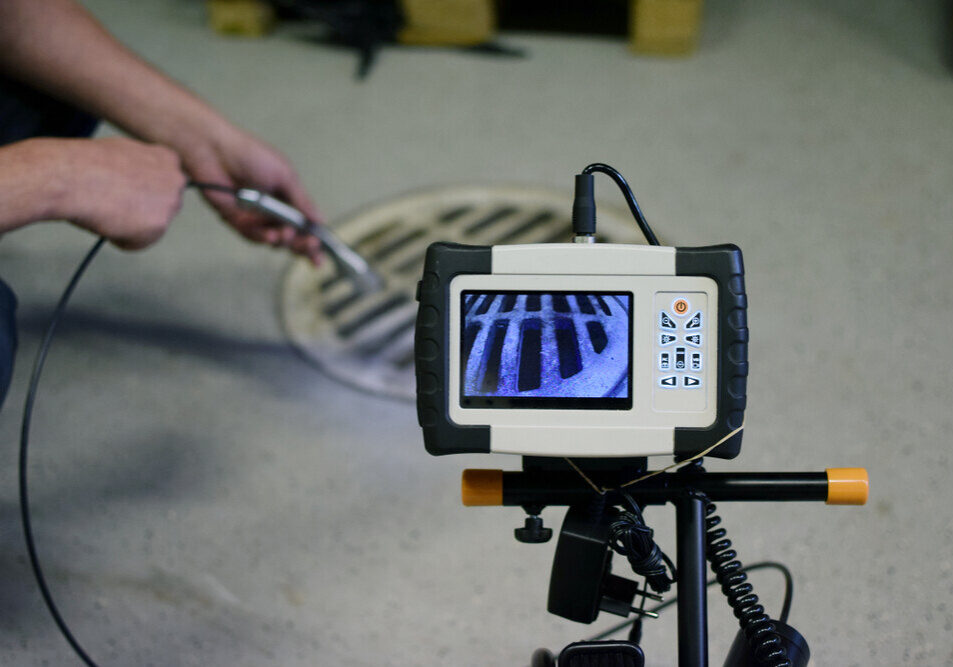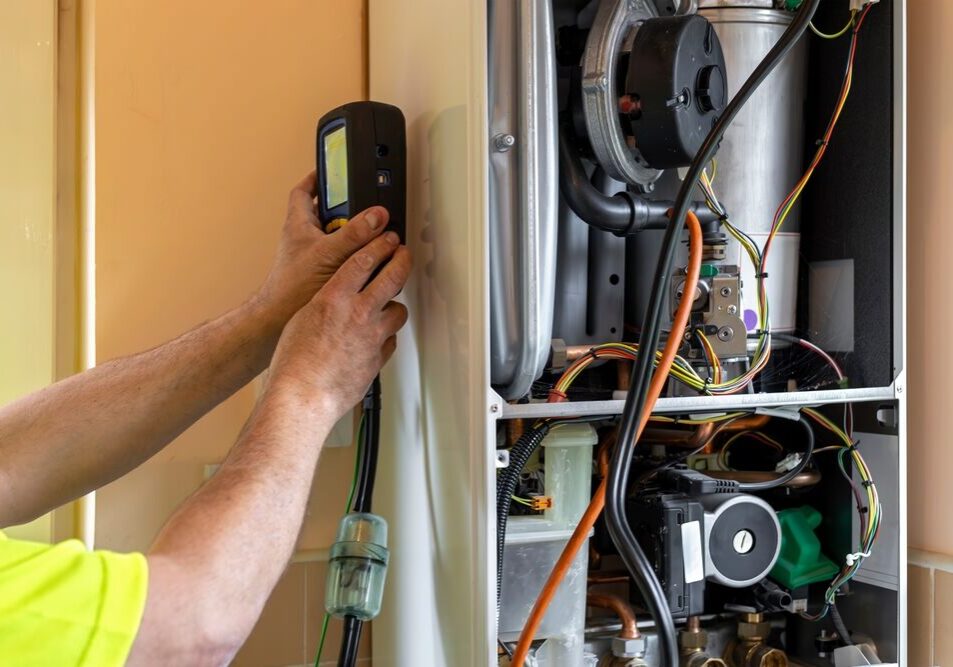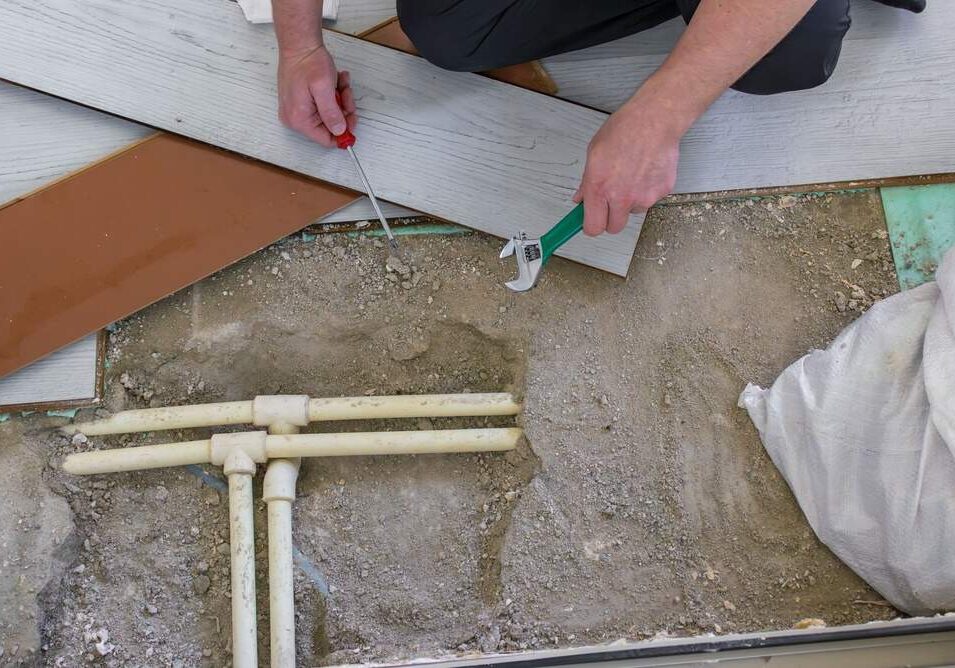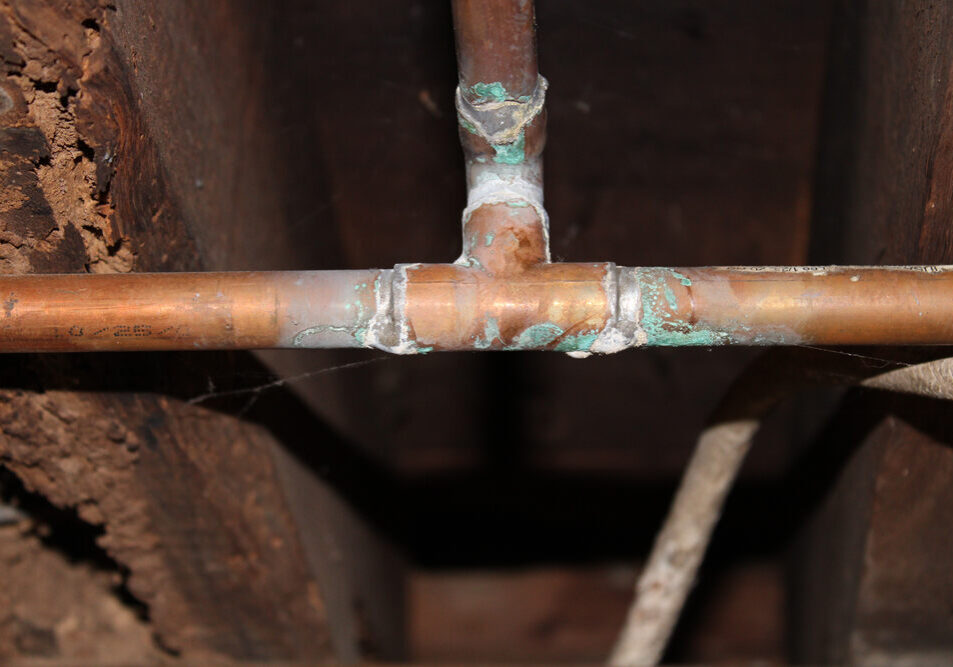
When drains keep clogging even after repeated service, homeowners often assume the issue is being handled the right way. In reality, recurring blockages usually point to something deeper happening inside the pipes. We often hear this concern from customers in need of a reliable plumber in Athens, GA, especially when routine fixes stop delivering lasting results. At Leak Detection Service Pros, we take a closer look at what is actually forming inside the plumbing system instead of treating symptoms on the surface. Many of these repeat issues are tied to mineral scale, and once you understand how it builds, it becomes clear why standard fixes alone rarely hold up for long in everyday plumbing.
What Mineral Scale Is Doing Inside Your Pipes
Most homes in areas with moderate to hard water carry calcium and magnesium in their water supply. Over time, these minerals separate from the water and stick to the inner walls of pipes. This process is slow, but it never really stops. Layer by layer, the buildup narrows the passageway where water flows.
In newer systems, pipes start with smooth interior walls designed for efficient flow. As scale develops, that surface becomes uneven and abrasive. Instead of water moving freely, debris begins to cling more easily, setting the stage for recurring blockages that feel random but actually have a clear cause.
Why Mechanical Snaking Doesn’t Solve the Real Problem
A common response to repeated clogs is using a drain snake to break through the obstruction. While this can temporarily open the line, it does not remove the hardened mineral layer attached to the pipe walls. That layer remains in place, ready to trap new debris almost immediately.
This is where drain cleaning often falls short for homeowners dealing with hard water conditions. The blockage might be cleared for the moment, but the underlying rough surface inside the pipe continues to collect grease, soap residue, and hair. Over time, the clog returns in the same area because the internal conditions never actually changed.
How Scale Turns Pipes Into Trap Zones
Inside iron or PVC pipes, scale does more than reduce diameter. It changes how materials behave as they move through the system. Grease that would normally wash through begins sticking to roughened areas. Hair catches on these deposits, forming small nets that grow with each use of the plumbing system.
At this stage, basic solutions no longer address the underlying issue. Professional plumbing repair is crucial in such times because sections of the line may need to be evaluated for long-term buildup or structural restriction. Without addressing the internal condition of the pipe, repeated clogging becomes a cycle rather than a one-time event.
Why Hydro Jetting Reaches What Snaking Cannot
When buildup becomes hardened and layered, high-pressure water is often needed to strip it away. Unlike mechanical snaking, which creates a path through the blockage, hydro jetting scours the interior walls of the pipe. It removes grease, mineral deposits, and debris coating the line, restoring a more uniform interior surface.
This method is especially effective in homes where scale has been accumulating for years. By clearing the pipe walls instead of just punching through a clog, it reduces the conditions that lead to rapid re-clogging and improves overall flow consistency.
When Toilet Issues Point to Deeper Pipe Conditions
Recurring toilet backups or slow flushing often get treated as isolated fixture problems, but they can be connected to scale buildup further down the line. In many cases, internal narrowing restricts waste movement long before it reaches the main sewer line.
This is where the promptness of the toilet repair procedure is part of a larger diagnostic process rather than a standalone fix. If the toilet itself is functioning correctly but symptoms persist, the issue is often located within the connected drain system rather than the fixture.
Fixture Replacement Isn’t Always the Starting Point
Some homeowners assume older or inefficient toilets are the cause of repeated drainage issues. While outdated fixtures can contribute to poor performance, they are not always the root cause. Even newer models can struggle when pipes are heavily coated with mineral deposits.
In situations like this, going with a new toilet installation may improve efficiency at the fixture level, but it does not resolve deeper flow restrictions within the plumbing system. A full inspection helps determine whether the problem lies in the fixture or in the underlying pipe structure before replacing components unnecessarily.
Why Professional Evaluation Prevents Ongoing Disruption
When scale buildup becomes widespread, the system requires more than surface-level attention. Hidden restrictions can affect multiple drains throughout the property, creating ongoing disruptions that seem unrelated but share the same cause.
It’s during times like these that emergency plumbing support is invaluable. Sudden backups, overflowing fixtures, or complete blockages often signal that internal buildup has reached a critical point. A trained technician can identify whether the issue is localized or system-wide and recommend the appropriate level of service.
Frequently Asked Questions
Why do my drains keep clogging after they are cleaned?
Because mineral scale remains inside the pipe walls, new debris continues to stick to the rough surface and rebuild the blockage.
Can hard water really affect plumbing performance?
Yes. Over time, calcium and magnesium deposits narrow pipes and reduce flow efficiency throughout the plumbing system.
Is snaking enough to fix recurring clogs?
Snaking clears blockages temporarily but does not remove hardened buildup on pipe walls, which is often the root cause.
How do I know if I need a professional inspection?
If clogs return in the same areas or multiple fixtures are affected, a full system evaluation is recommended.
Work With Leak Detection Service Pros
At Leak Detection Service Pros, we’ve grown from a small local operation into a multi-team service provider trusted by thousands of homeowners and businesses in Snellville. We use industry-leading, non-invasive diagnostic tools to locate and understand plumbing issues at their source. Our team is recognized for prompt response times, clear communication, and consistent workmanship backed by high customer satisfaction. If recurring drain problems are disrupting your property, our technicians are ready to evaluate the system and provide solutions that go beyond surface-level fixes!
Recent Posts