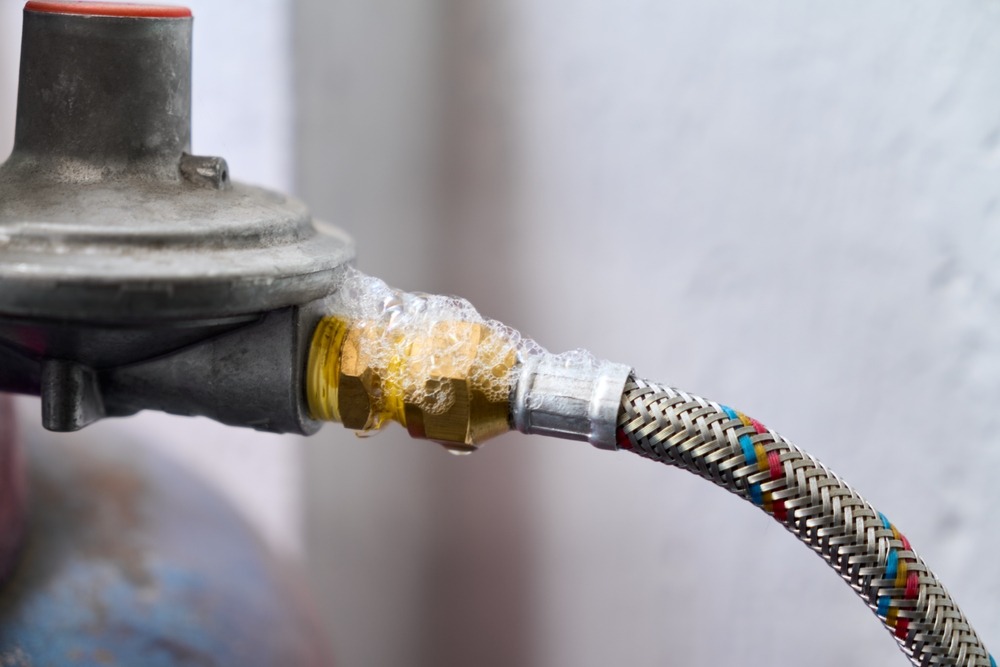
Sulfur or rotten egg odors inside a home signal an urgent safety hazard that requires immediate action. Natural gas and propane are naturally odorless and colorless, so utility companies add a harmless chemical compound called mercaptan to give the gas a strong, unmistakable scent. Signs of a possible gas leak can include a rotten egg odor, hissing or roaring sounds, dead or discolored vegetation, or blowing dirt near an underground pipeline.
Everyone on the property needs to evacuate the building on foot immediately while avoiding anything that could create a spark. Do not flip light switches, touch appliances, or start motor vehicles nearby. Once everyone stands safely away from the area, call emergency services and reach out to Leak Detection Service Pros for certified gas line repair in Snellville, GA to assess the piping system.
Crucial Actions to Take During an Active Leak
Evacuating the premise is the top priority the moment a foul odor spreads through a building. Leave all doors open behind you as you exit to help disperse trapped vapors into the outdoor air. Do not attempt to locate the source of the smell or turn off gas supply valves unless you have received training and can do so safely without delay. Avoid using telephones, flashlights, or garage door openers inside the structure. Vapors can ignite from minute static electrical charges generated by everyday electronics.
Calling Safety Officials from a Safe Distance
When standing at a safe location downwind from the building, dial emergency services right away. Emergency responders can assess the situation and coordinate with the appropriate utility or gas provider to secure the area and address the suspected leak. Once the area gets cleared by first responders, property owners must arrange for a professional gas leak repair service to locate and fix damaged underground or interior pipes.
Recognizing the Hazards of Gas Line Issues
Gas leaks pose severe physical hazards to human health alongside explosion risks. Inhaled methane or propane displaces oxygen in enclosed rooms, leading to sudden physical symptoms like dizziness, severe headaches, fatigue, and nausea. A natural gas leak can displace oxygen in an enclosed space, while incomplete combustion of gas-burning appliances can produce carbon monoxide. Environmental factors like ground shifting, tree root intrusion, corrosion, and aging pipe joints cause physical damage to underground delivery systems over time.
Professional Diagnostic Procedures for Leaks
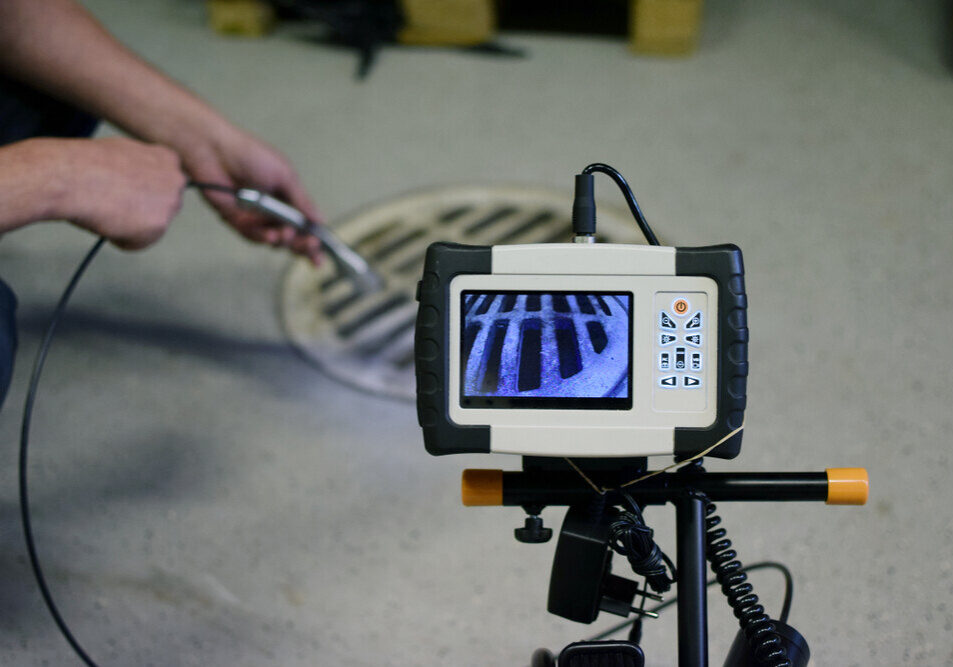
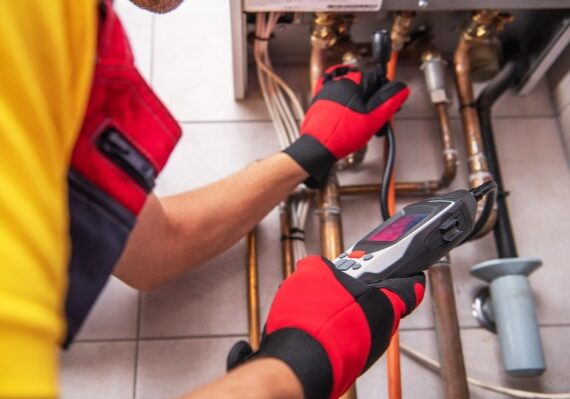
Certified technicians rely on advanced electronic equipment to locate hidden leaks without tearing apart yard soil or interior drywall. Combustible gas detection equipment can help technicians identify elevated gas concentrations and narrow down the location of a suspected leak. Pressure drop tests confirm whether an entire system maintains internal seal integrity under standard operating conditions.
Repairing Propane and Fuel Distribution Systems
Homes supplied by propane tanks require specialized inspection because propane is stored under pressure and the system includes tanks, regulators, valves, and supply lines. Technicians test tank regulators, shutoff valves, and underground lines for micro-fissures. When lines show sign of decay or severe physical damage, propane gas line repair restores safe fuel flow directly from supply tanks to interior heating units.
Restoring Natural Gas Distribution Pipes
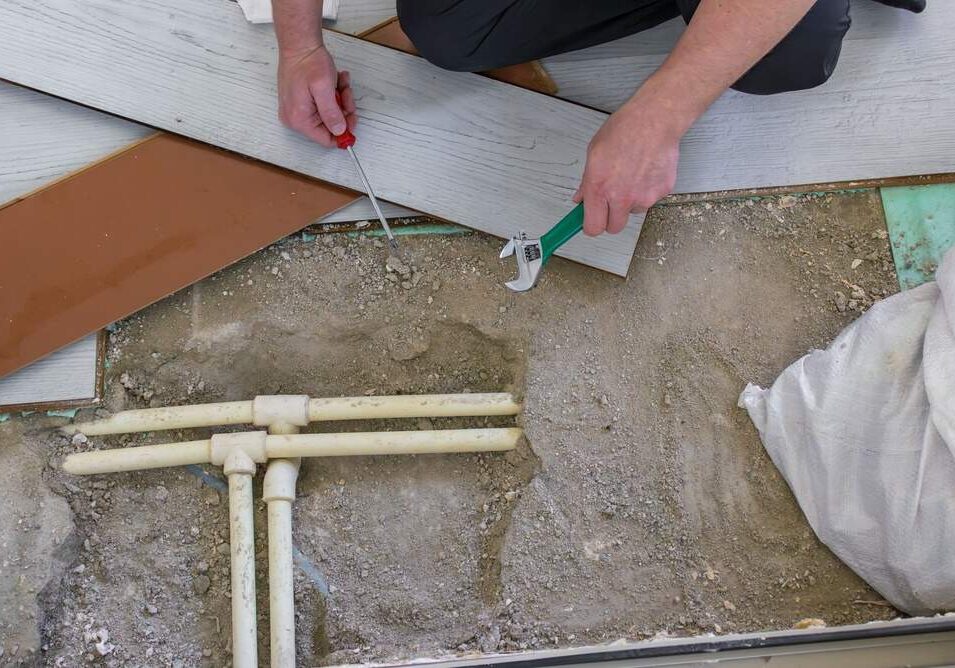
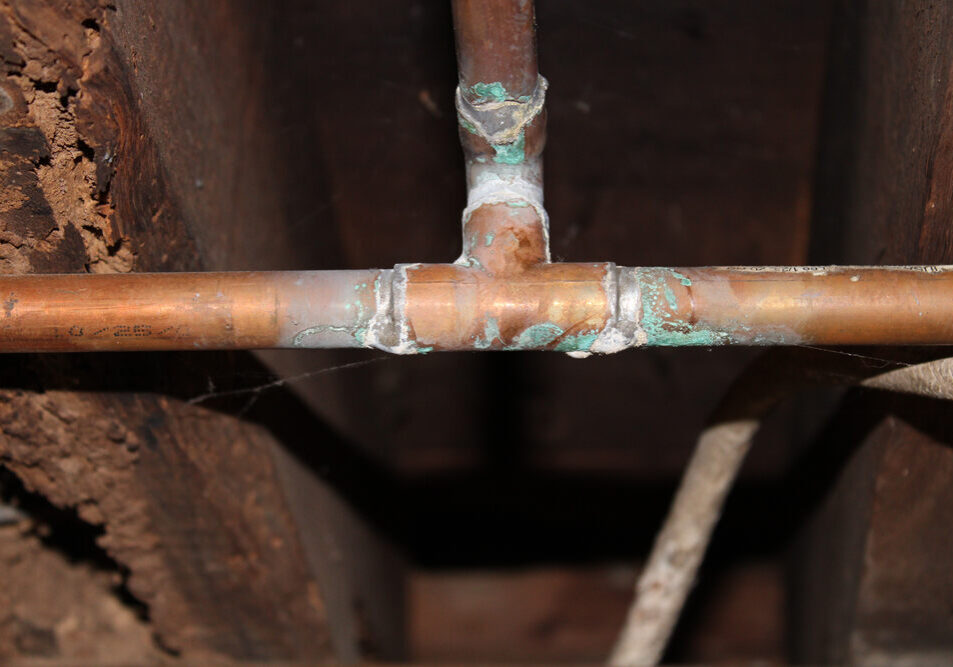
Interior utility lines feeding stoves, water heaters, and furnaces need careful physical inspection. Corrosion, damaged fittings, or compromised connectors may require repair or replacement depending on the condition and location of the affected component. Standard natural gas line repair involves removing damaged sections, sealing connection points with rated compounds, and re-testing system pressure to ensure airtight seals.
Handling Unexpected System Emergencies
System breaks can occur at any hour due to excavation accidents, storm damage, or sudden material fatigue. Having access to fast repair response limits safety risks for families and local neighborhoods. Immediate dispatch for emergency gas line repair prevents extended utility shutdowns and resolves structural hazards swiftly.
Continuous Availability for Critical Services
Gas lines do not wait for standard business hours to experience physical failures or joint separations. Reliable specialists remain reachable day and night to respond to urgent calls from local residents. Accessing a 24/7 gas line repair team gives property owners immediate help during unexpected weekend or middle-of-the-night utility emergencies.
Safely Servicing Household Supply Lines
Living spaces contain multiple appliance connections that require routine care and safe structural support. Water heaters, gas fireplaces, clothes dryers, and kitchen ranges depend on undamaged flex connectors and proper shutoff valves. Scheduling residential gas line repair resolves small pipe wear before it leads to dangerous indoor odors.
Managing Complex Commercial Fuel Networks
Commercial facilities use large-scale piping systems to power heavy industrial equipment, large boilers, and commercial kitchens. These complex systems require rigorous safety protocols, precise pressure regulation, and larger pipe diameters. Certified technicians performing commercial gas line repair ensure business facilities meet all safety codes and local municipal regulations.
Frequently Asked Questions
Q: What does a gas leak smell like?
A: Natural gas and propane smell like rotten eggs or sulfur because utility companies add a safe chemical called mercaptan to help people notice leaks quickly.
Q: Can I turn on lights or use my phone if I smell gas?
A: No, flipping light switches, using cell phones, or operating appliances near a leak can create tiny electrical sparks that ignite trapped gas vapors.
Q: How quickly should I address a rotten egg smell?
A: You must leave the premises immediately and call emergency services right away, as gas leaks present immediate fire and health hazards.
Q: Who is responsible for fixing gas lines on private property?
A: Utility companies maintain lines up to the gas meter, while property owners are responsible for repairing all fuel lines running from the meter into the building.
Leak Detection Service Pros expanded from a small local operation to a multi-team service provider by delivering honest, accurate support to local property owners. We integrated industry-leading leak detection tools and non-invasive diagnostic systems to quickly pinpoint pipe damage without unnecessary property disruption. Our team has successfully supported thousands of homeowners and businesses in Snellville with comprehensive line testing and underground piping care. Recognized locally for prompt response times and trusted service delivery, we prioritize safety and rapid dispatch on every service call. We have consistently maintained high customer satisfaction through quality workmanship across every project we take on.
Reach out to Leak Detection Service Pros today to schedule a thorough inspection of your supply lines.
Recent Posts