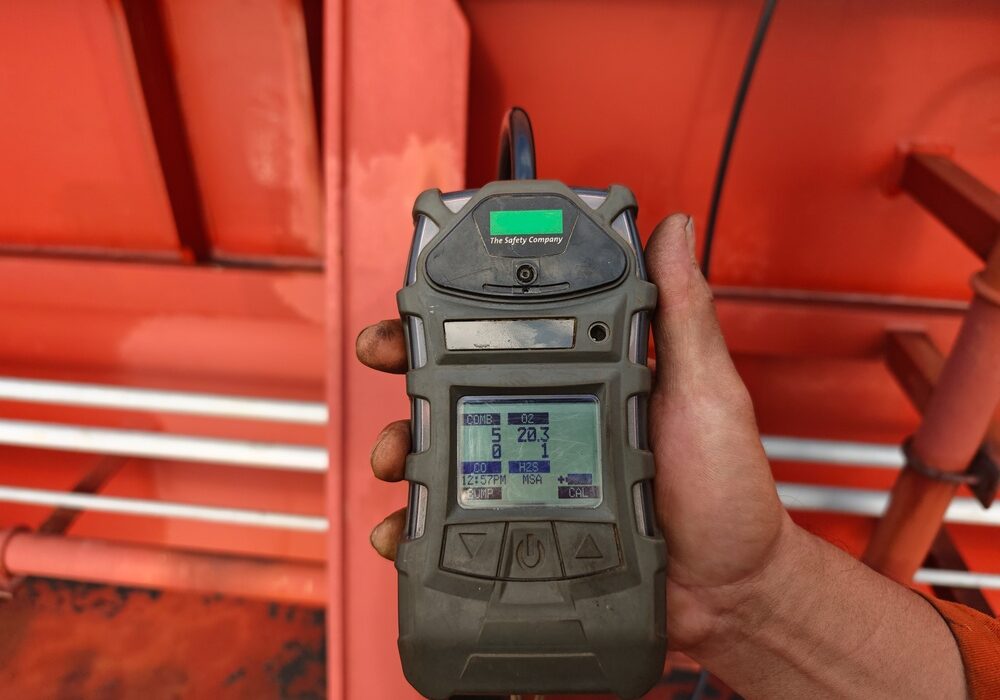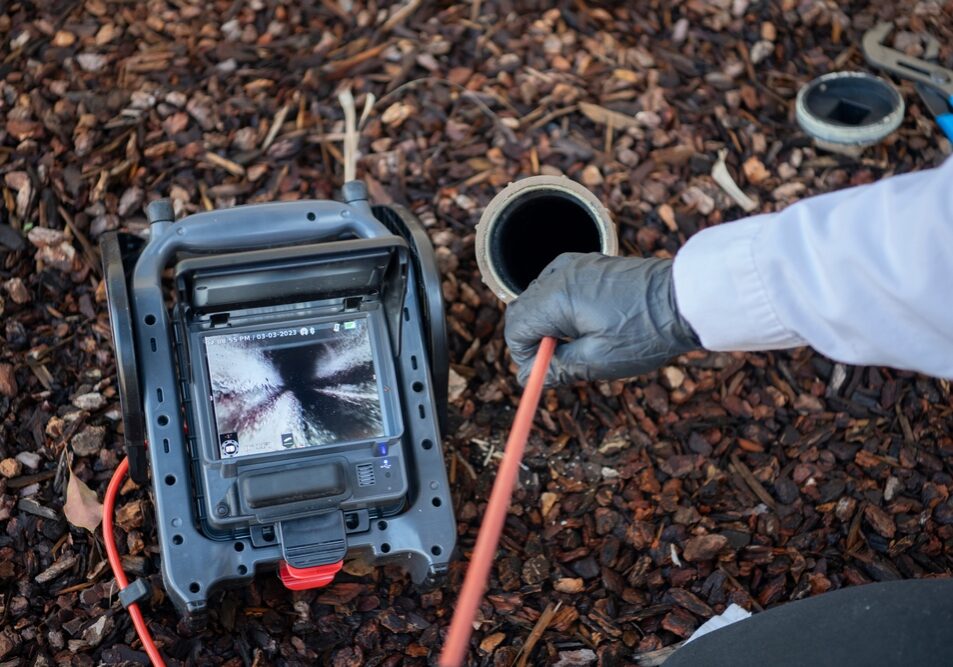
When we run a camera through your sewer line, the screen tells a story. The patterns, shapes, and textures we see point directly to what is damaging your pipes. When you call upon the Leak Detection Service Pros team for a video pipe inspection in Loganville, GA, we can accurately identify whether the problem is roots, shifting ground, or corrosion without digging up your yard.
What the Camera Reveals
A professional sewer video inspection gives a real-time view inside your pipes. Instead of guessing, we see the exact condition of the line and how far the damage has spread. The Environmental Protection Agency notes that tree roots are a leading cause of sewer line failure, especially in older systems with small cracks or loose joints.
Root Intrusion: The “Spiderweb” Pattern
Tree roots are one of the most common issues we find. On screen, they appear as thin, hair-like strands that spread through cracks in the pipe. Over time, they thicken and form dense masses that block flow.
In a sewer camera inspection service, root damage often looks like:
- Fine strands entering through small cracks
- Web-like growth spreading across the pipe interior
- Thick clumps that restrict water flow
Roots seek moisture, so even a tiny opening can turn into a major blockage.
Ground Pressure: The “Pancake” Collapse
Shifting soil, heavy traffic, or poor installation can cause pipes to collapse. On camera, this damage is easy to recognize. The pipe appears flattened or crushed, often restricting flow almost completely.
A pipe camera inspection service helps identify the following:
- Sections where the pipe shape is no longer round
- Sudden narrowing or complete blockage
- Debris buildup at the collapsed point
These issues often require immediate attention because water flow cannot pass through properly.
Corrosion: The Slow Breakdown
Older metal pipes can break down from the inside out. Rust and corrosion weaken the structure, leading to cracks, holes, and rough surfaces.
During a CCTV pipe inspection, corrosion typically appears as:
- Flaking or rough interior surfaces
- Discoloration along pipe walls
- Small holes or fractures forming over time
The National Association of Home Builders notes that aging materials are a common cause of sewer system failure, especially in homes built decades ago.
Reading the Problem Before Making the Repair
Each type of damage requires a different solution. A plumbing camera inspection allows us to match the repair method to the actual problem. Without that visual confirmation, repairs may miss the root cause and lead to repeat issues. Such thorough inspection procedures help pinpoint exact locations, reducing unnecessary digging and allowing for more precise repairs.
FAQs
How long does a camera inspection take?
Most inspections take about one hour, depending on the length and condition of the pipe.
Can a camera find small cracks?
Yes. Modern cameras are designed to detect even small fractures and early signs of damage.
Do I need to dig up my yard for an inspection?
No. The camera is inserted through an access point, so no excavation is required.
Is this service only for severe problems?
No. It is often used for routine checks or early detection before major issues develop.
Underground pipe damage does not stay hidden forever. Leak Detection Service Pros uses advanced camera technology to identify problems with accuracy and clarity. Homeowners and businesses in Loganville rely on our prompt and detailed sewer leak video inspection services. Contact us today to see exactly what is happening inside your pipes and take the right next step!
Recent Posts