Having a green patch of grass instead of the rest of the yard is not luck. It might be the only visible clue that a lateral line has been leaking under the lawn for months without anyone noticing. Homeowners often assume a smart controller or automated timer would flag something like this right away, but most irrigation systems are built to track a schedule, not to detect water escaping between zones.
This is a common call for Leak Detection Service Pros, and it comes up with clients asking about leak detection in Winder, GA, about as often as it does anywhere else in the service area.
Why Does One Spot in the Yard Stay Greener Than Everywhere Else?
Grass roots respond to whatever moisture is closest to them. When a lateral line cracks or separates underground, water doesn’t spray out in an obvious puddle. It seeps steadily into the soil around that one section, feeding the roots more consistently than the sprinkler heads ever could. Over weeks, that patch turns a deeper green, the soil underneath stays spongy, and the surrounding lawn starts to look uneven by comparison. A trained eye reads this as a sign of pipe leak detection work needed, not a fertilizer success story.
Can a Smart Irrigation Controller Actually Miss a Leak?
Yes, and this is where a lot of confusion starts. Smart controllers measure flow at the valve or adjust watering based on weather data. They aren’t built to notice what happens to water after it leaves the valve and before it reaches the sprinkler head. A slow leak in that stretch of pipe simply reads as normal water use on the app or dashboard. The homeowner sees a functioning system and a green lawn, so there’s no reason to suspect anything is wrong. Meanwhile, the system quietly draws more water leak detection attention than the controller was ever designed to provide.
How Long Can a Lateral Line Leak Stay Hidden?
Longer than most people expect. Because the symptoms look like healthy landscaping rather than damage, these leaks commonly run for three to six months before anyone connects the dots. During that stretch, the water bill climbs gradually enough that it gets blamed on summer heat or a new watering schedule. For properties with larger irrigation zones, this is where residential leak detection and commercial leak detection differ mainly in scale rather than cause since HOAs and business properties with automated systems face the same blind spot across a wider footprint. If the lateral line runs near a main connection point, sewer leak detection sometimes gets pulled into the same inspection, since both systems can share trenching paths underground.
What Else Should You Watch For Around the Yard?
A green patch rarely shows up alone. Other signs worth checking include:
- Soft, spongy, or sinking ground near sprinkler heads
- Mosquito activity concentrated in one area
- A faint musty smell near the soil surface
- Water bills rising without any change in usage habits
- A hissing or trickling sound when the system is shut off
If any of these show up alongside the green patch, and especially if there’s cracking near the foundation, it’s worth having the same visit cover slab leak detection so nothing gets missed between the yard and the house.
How Professionals Confirm What’s Under the Grass
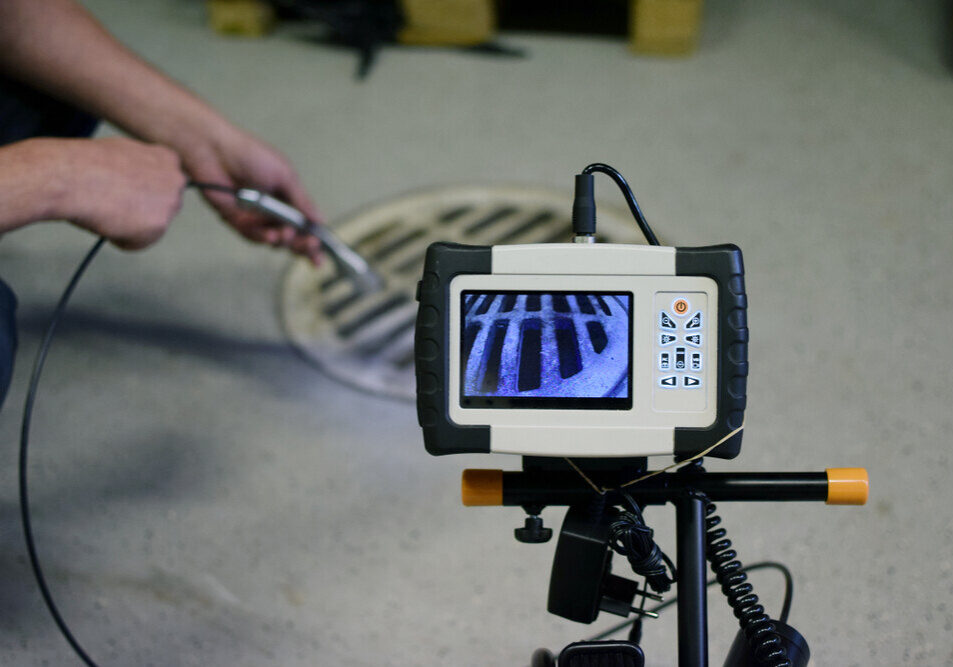
Digging up an entire yard to find one break isn’t necessary anymore. Acoustic listening equipment, ground microphones, and moisture sensors can pinpoint the leak’s location within a foot or two before any digging starts. A leak detection company using this kind of equipment can usually confirm the problem and its exact location in a single visit, which keeps the repair focused and the lawn largely intact.

FAQ
Will homeowners insurance cover a yard irrigation leak?
Most standard policies exclude irrigation and sprinkler line damage since it’s considered part of routine landscaping maintenance rather than a covered peril. Coverage varies by provider, so checking the policy directly is worth the ten minutes it takes.
How much does fixing a lateral line leak typically cost?
Costs depend on the leak’s depth, the pipe material, and how much of the line needs replacing rather than patching. A confirmed diagnosis before any digging keeps the estimate accurate instead of padded.
Can I check for a yard leak myself before calling someone?
Turning off all other water use in the house and watching the water meter for movement is a reasonable first step. Movement without any faucets or appliances running suggests a leak somewhere in the system, though pinpointing the exact location still requires equipment most homeowners don’t have on hand.
Getting Ahead of the Bill Before It Grows
A green patch of grass is easy to enjoy and easy to dismiss, which is exactly why these leaks last as long as they do. Leak Detection Service Pros started as a small local operation and has grown into a multi-team service provider precisely because catching these issues early matters more than most homeowners realize. The team has supported thousands of homeowners and businesses across Snellville with non-invasive diagnostic systems that locate the problem without turning the yard into a construction site. If that one patch of grass has been bothering you, or your water bill has crept up without an explanation, getting it checked now costs far less than waiting for it to show up as a bigger repair later.
Reach out today for inspection!
Recent Posts