When water appears on the ceiling of a condominium hallway or begins dripping into a lower-floor unit, one of the first questions property managers ask is, “Which unit is causing the leak?” In a multi-story building, that answer is rarely obvious. Water can travel through wall cavities, pipe chases, and structural openings, making the source appear far away from where the damage becomes visible.
The good news is that locating a leak in a high-rise building does not always require entering every apartment from the ground floor to the roof. Modern diagnostic methods allow technicians to narrow down the problem area quickly and efficiently. For property managers seeking leak detection in Grayson, GA, understanding how vertical plumbing systems operate can help explain why targeted testing is often more effective than broad inspections.
Why Water Takes Unexpected Paths
One of the biggest challenges in multi-story leak investigations is that water rarely travels straight down.
Once water escapes from a plumbing system, it may:
- Follow pipe penetrations between floors.
- Travel along structural beams.
- Move through wall cavities.
- Collect in ceiling spaces before appearing elsewhere.
- Exit several floors below the actual leak.
This is why the unit reporting water damage is often not the unit where the leak originated. Professional water leak detection focuses on identifying the source rather than simply examining where water becomes visible.
Understanding Vertical Plumbing Stacks
Most apartment buildings, condominiums, and mixed-use properties rely on vertical plumbing stacks. These stacks carry water and waste through multiple floors using shared piping systems. Bathrooms, kitchens, laundry rooms, and utility areas are often aligned vertically to simplify plumbing design.
A single plumbing stack may serve:
- Ten or more residential units.
- Multiple bathrooms on separate floors.
- Common-area plumbing fixtures.
- Fire suppression or utility systems.
When a leak develops within one section of the stack, determining its exact location becomes critical.
Why Entering Every Unit Is Not Always Necessary
Many property managers assume every unit connected to a plumbing stack must be inspected individually. In reality, targeted testing can dramatically reduce the search area.
Modern diagnostic strategies often include:
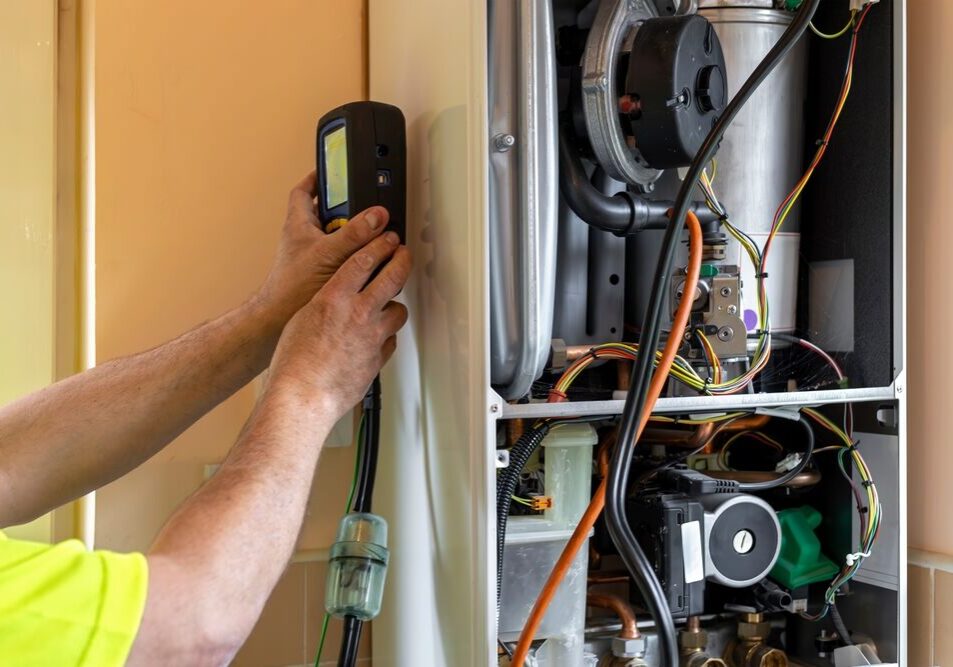
- Pressure testing.
- Acoustic listening equipment.
- Moisture mapping.
- Thermal imaging.
- Isolation testing of plumbing zones.
These methods help technicians identify which section of a plumbing system is losing pressure without disrupting dozens of residents. An experienced leak detection company can often narrow a problem to a specific floor range before requesting unit access.
How Pressure Testing Pinpoints The Problem Floor
Pressure testing is one of the most valuable tools in high-rise leak investigations. The process involves isolating sections of a plumbing system and monitoring pressure behavior over time. If a section maintains pressure, it is unlikely to contain an active leak. If pressure drops, technicians know water is escaping somewhere within that isolated zone.
By systematically testing portions of a vertical stack, investigators can:
- Eliminate unaffected floors.
- Identify the approximate leak location.
- Reduce unnecessary tenant disruptions.
- Focus follow-up inspections on a much smaller area.
This approach is commonly used in advanced pipe leak detection investigations throughout multi-unit properties.
The Role Of Acoustic Technology
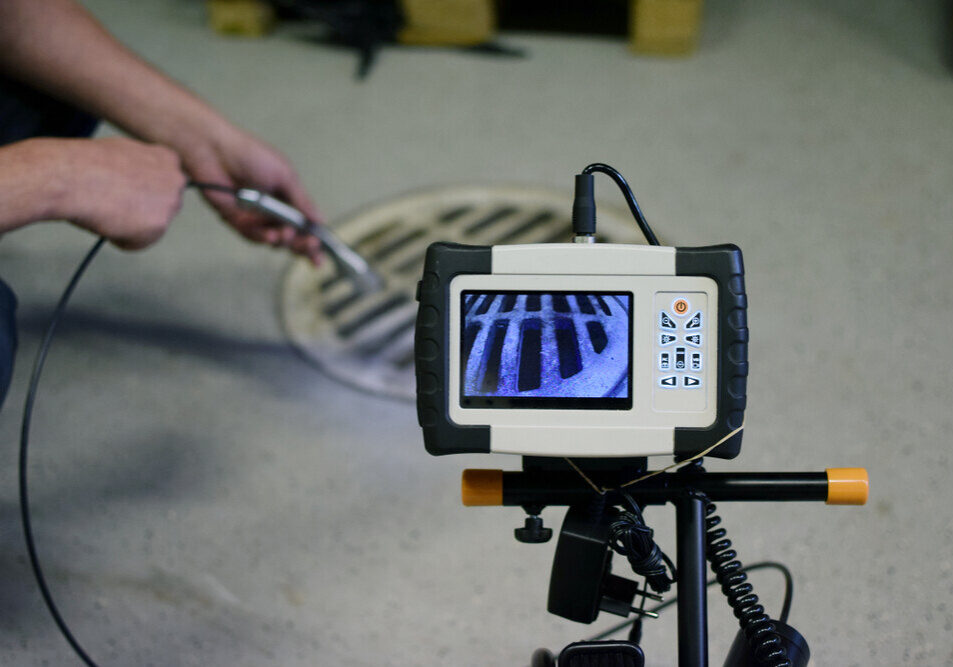
Pressurized water escaping from a pipe creates vibration and sound. Specialized acoustic sensors can detect these signals through walls, ceilings, and structural components.
Acoustic testing helps technicians:
- Confirm pressure-test findings.
- Identify active leak locations.
- Distinguish plumbing leaks from drainage issues.
- Reduce exploratory demolition.
Combining acoustic diagnostics with pressure testing often provides a highly accurate picture of what is happening inside the plumbing system.
What If The Problem Is Not A Supply Line?
Not every building leak originates from pressurized water pipes. In some situations, investigators may discover issues involving:
- Drainage systems.
- Roof drainage connections.
- Building envelope penetrations.
- Waste piping networks.
This is where leak detection may become part of the diagnostic process. Similarly, leaks affecting lower levels or foundations may require evaluation methods commonly associated with slab leak detection.
Signs Property Managers Should Not Ignore
Prompt investigation is important when any of the following symptoms appear:
- Repeated ceiling staining.
- Water dripping from light fixtures.
- Persistent moisture odors.
- Unexpected utility consumption increases.
- Water damage appearing on multiple floors.
- Recurring repairs in the same stack area.
These signs often indicate an active plumbing issue that deserves professional evaluation.
Frequently Asked Questions
Can a leak on the 10th floor appear on the 8th floor?
Yes. Water often travels through walls, ceilings, and structural pathways before becoming visible.
How does pressure testing work?
Pressure testing isolates sections of plumbing and monitors pressure levels to identify areas where water may be escaping.
Do technicians need access to every unit?
Not always. Modern sewer leak detection diagnostic methods can frequently narrow the search area before extensive unit access is required.
Can acoustic equipment detect hidden leaks?
Yes. Acoustic technology can identify sound patterns created by pressurized water escaping from pipes behind walls and ceilings.
High-rise leak investigations require a strategic approach, not guesswork. Leak Detection Service Pros has grown from a small local operation into a multi-team service provider while maintaining a strong reputation for quality workmanship and customer satisfaction. Using advanced, non-invasive diagnostic tools, our team helps property managers identify leak sources efficiently while minimizing disruption to residents and building operations. If your property is dealing with a difficult-to-trace plumbing leak, we can help pinpoint the source and provide the information needed to move forward.
Recent Posts