A burst pipe can release hundreds of gallons of water in a surprisingly short amount of time. Within minutes, water can spread through flooring, drywall, insulation, furniture, and personal belongings. The first hour after discovering a burst pipe is often the most important period for limiting damage and protecting your home.
Many homeowners feel overwhelmed when they suddenly hear rushing water or discover a flooded room. The good news is that a few immediate actions can make a significant difference while professional help is on the way. At Leak Detection Service Pros, we frequently guide homeowners through these critical first steps before our technicians arrive. If you need emergency service in Winder, GA, understanding what to do during the first 60 minutes can help you respond quickly and safely.
Step One: Shut Off the Water Immediately
The priority is stopping the flow of water. Every homeowner should know the location of the property’s main water shut-off valve before an emergency occurs. Depending on the home, this valve may be located:
- Near the water meter.
- In a basement or crawl space.
- Along an exterior wall.
- Inside a utility room.
Turning off the water supply prevents additional water from entering the damaged pipe and reduces ongoing flooding. Many situations that require emergency leak detection begin with a simple but critical shut-off action.
Step Two: Think About Electrical Safety
Water and electricity create serious safety hazards. If water approaches outlets, electrical panels, appliances, or wiring, avoid entering affected areas until they can be safely evaluated.
Consider the following precautions:
- Stay away from standing water near electrical equipment.
- Do not touch electrical devices with wet hands.
- Shut off power only if it can be done safely.
- Contact emergency professionals if electrical hazards are present.
Personal safety should always take priority over property concerns.
Step Three: Document Everything
Once the immediate danger is under control, begin documenting the situation.
Take photographs and videos of:
- Visible water accumulation.
- Damaged flooring.
- Affected walls and ceilings.
- Furniture and personal belongings.
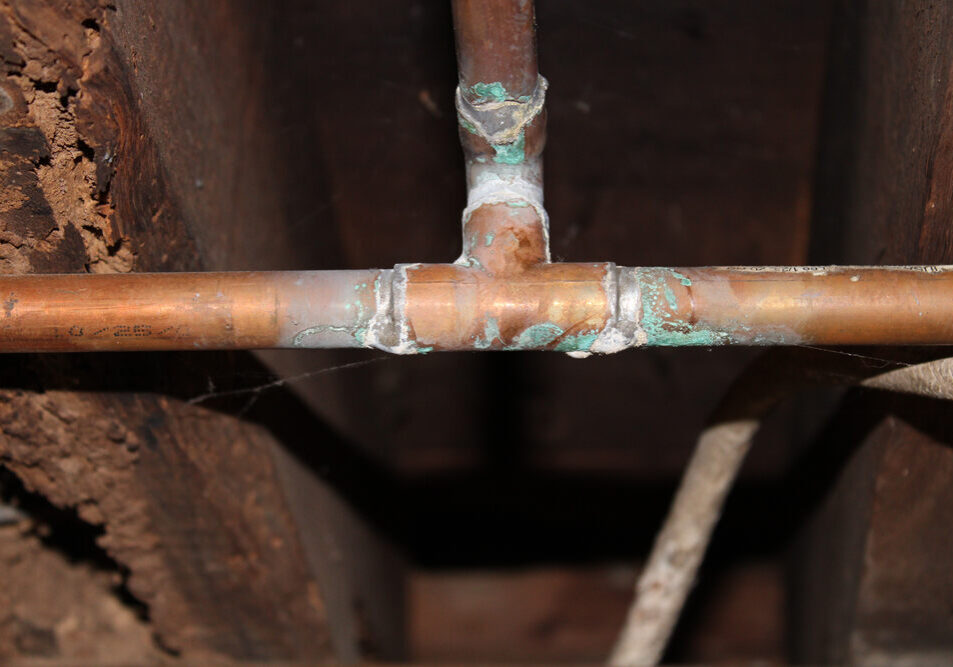
- The area where the pipe failure occurred.
A 24 hour leak detection service providers attest that detailed documentation can be valuable when discussing damage with insurance representatives and restoration professionals.
Step Four: Remove Standing Water When Possible
The longer water remains in contact with building materials, the greater the potential for secondary damage.
If conditions are safe, homeowners can begin removing water using:
- Towels and mops.
- Wet vacuums.
- Buckets.
- Portable pumps.
Opening windows and improving air circulation may also help reduce moisture accumulation while waiting for professional assistance.
Many calls involving 24 hour leak detection services occur during the first few hours after significant water intrusion begins.
Step Five: Protect Valuable Items
Once the water source is controlled, focus on removing items that could be damaged by continued moisture exposure.
Common priorities include:
- Electronics.
- Important documents.
- Family photographs.
- Area rugs.
- Furniture.
- Valuable personal items.
Moving these belongings to a dry location can help reduce additional losses.
Step Six: Watch for Hidden Water Migration
Water often travels farther than homeowners initially realize.
It may move through:
- Wall cavities.
- Ceiling spaces.
- Floor systems.
- Insulation.
- Structural framing.
This is why professional water leak detection often extends beyond the visible damage area. Hidden moisture can remain trapped long after standing water is removed.
Step Seven: Contact Professionals Quickly
After immediate safety concerns have been addressed, professional evaluation becomes important.
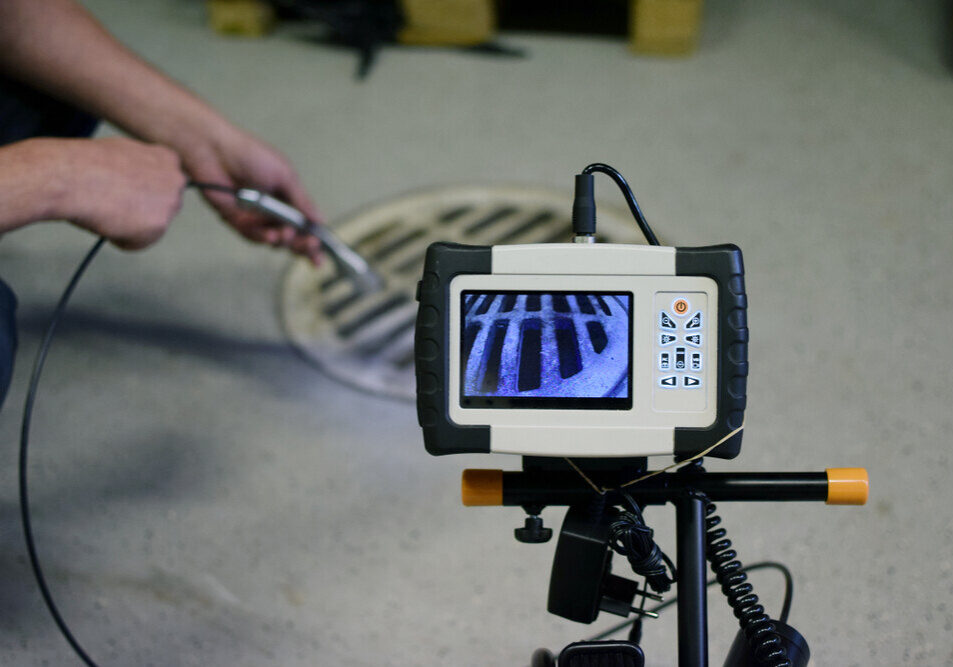
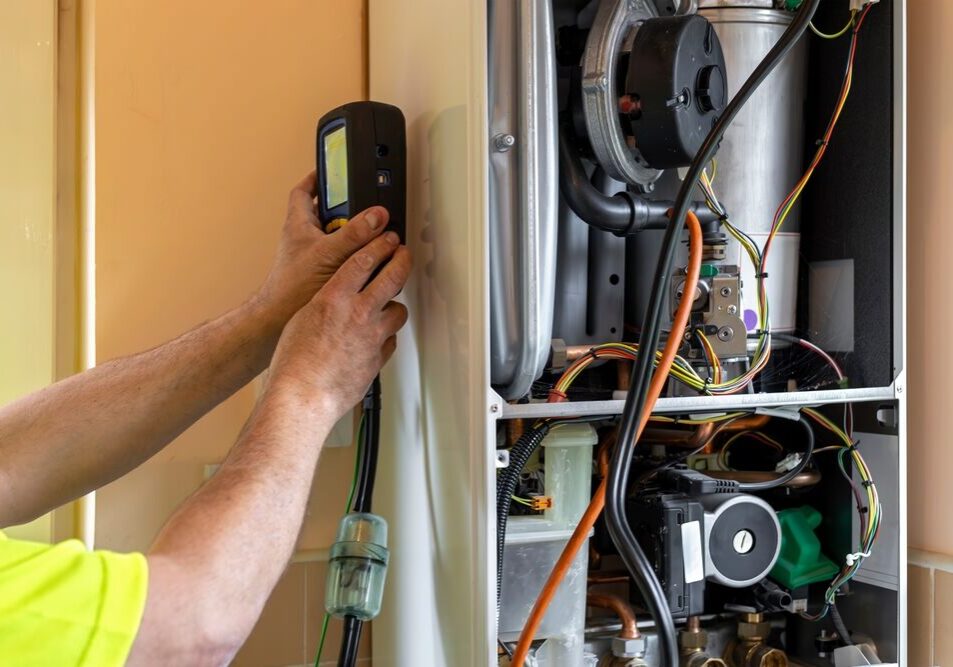
A thorough inspection may involve:
- Moisture mapping.
- Acoustic testing.
- Thermal imaging.
- Plumbing system diagnostics.
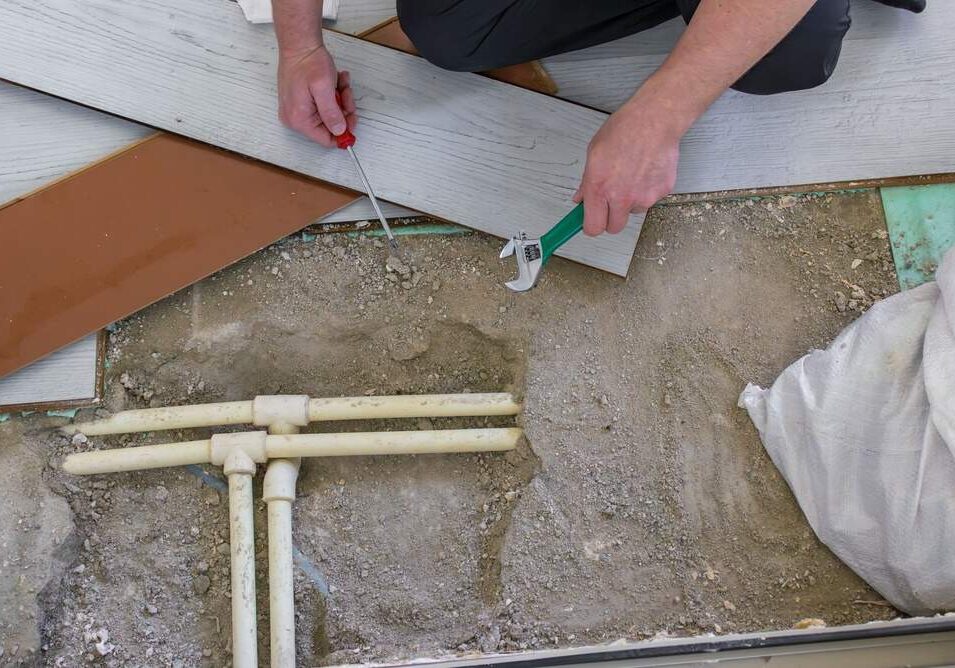
Depending on the situation, technicians may investigate concerns related to slab leak detection or perform same-day leak detection services to identify hidden sources of water loss.
Fast action helps establish a clearer understanding of the extent of the problem and supports more effective recovery efforts.
Common Mistakes To Avoid
During a stressful emergency, homeowners sometimes take actions that increase risk.
Avoid:
- Ignoring small amounts of standing water.
- Delaying shut-off valve operation.
- Using household fans around electrical hazards.
- Assuming all water damage is visible.
- Waiting several days before seeking professional evaluation.
These mistakes can make an already challenging situation more difficult to manage.
Frequently Asked Questions
How much water can a burst pipe release?
A burst pipe can release hundreds of gallons of water depending on pipe size, water pressure, and how long the leak continues.
Should I turn off the electricity after a pipe bursts?
Only if it can be done safely. If water is near electrical equipment, avoid contact and seek professional assistance from a same‑day leak detection service provider.
What should I photograph after a pipe burst?
Document all visible damage, affected belongings, standing water, and the area where the pipe failure occurred.
How quickly should I call a leak detection professional?
As soon as the water supply is shut off and immediate safety concerns have been addressed.
The first hour after a pipe burst often determines how much damage occurs throughout a property. Leak Detection Service Pros is recognized locally for prompt response times and trusted service delivery, helping homeowners respond quickly when plumbing emergencies strike. Using industry-leading leak detection tools and non-invasive diagnostic systems, our team works to identify hidden moisture and locate leak sources accurately. If you’re dealing with an unexpected plumbing emergency, we’re ready to help you take the next step toward understanding the problem and restoring control of the situation.
Recent Posts