The hardwood floors in your home seem okay. No warping, no dark spots, nothing to raise an eyebrow. But underneath those boards, water may already be moving through your subfloor, soaking into wood fibers, and setting the stage for damage that costs thousands to repair. The team at Leak Detection Service Pros hears this story often: a homeowner assumes their floors are safe because nothing looks wrong on top. By the time a puddle appears in the kitchen, the real problem starts weeks or months earlier.
Homeowners searching for leak detection in Winder, GA, are often surprised to learn how far along a slab leak can get before it becomes visible at all.
How Does Water Travel Under Your Floors Without You Knowing?
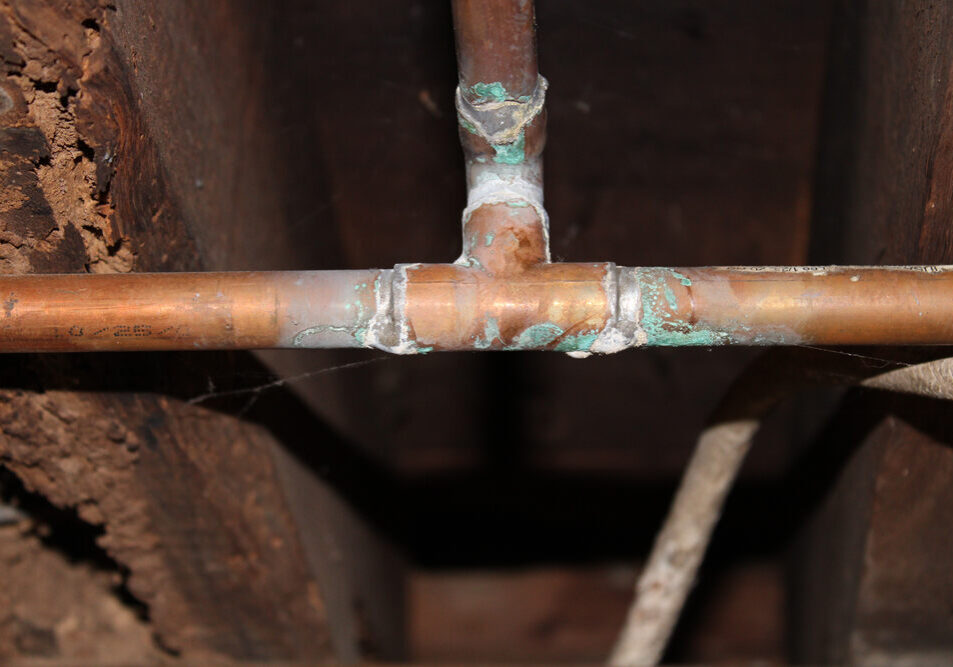
Capillary action is the culprit, and it works quietly. Wood, drywall, and even concrete have microscopic pores that pull moisture upward and sideways, against gravity, the same way a paper towel soaks up a spill from the edge inward. Once a pipe or slab crack starts leaking, water doesn’t pool in one spot and waits to be noticed. It spreads through the subfloor material, wicking along joists, insulation, and the underside of hardwood planks.
This is why pipe leak detection matters so much for older homes with wood flooring. A leak that started near a bathroom wall can travel ten or fifteen feet before any surface sign appears.
Why Does Hardwood Warp Before Water Ever Reaches the Surface?
Hardwood reacts to moisture long before a leak becomes visible. Boards absorb humidity from below, swell, and push against neighboring planks. Over weeks, this creates:
- Cupping, where the edges of each board rise higher than the center
- Gaps that open and close with humidity swings
- A soft or spongy feel underfoot in specific areas
- Discoloration that looks more like aging than water damage
Homeowners often blame these signs on seasonal changes or an old house settling. Slab leak detection exists precisely because these symptoms are so easy to misread.
What Damage Happens Beneath the Floor Before You See a Puddle?
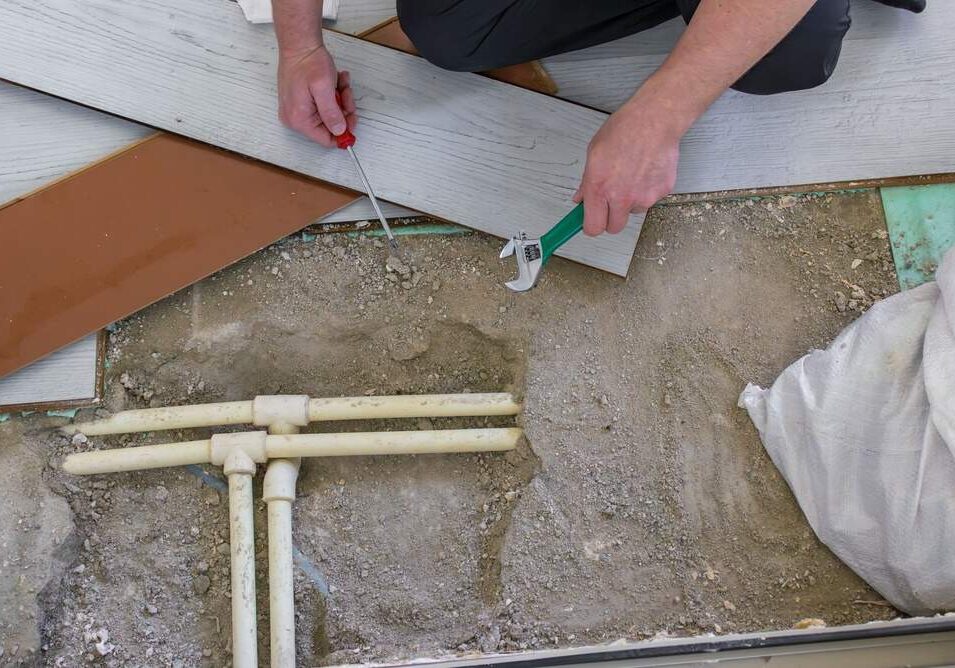
While the surface still looks presentable, the subfloor is often failing. Plywood delaminates. Wood subflooring softens and loses structural integrity. Mold colonies establish themselves in the dark, damp cavity between the slab and the flooring above, feeding on organic material with no fresh air to slow them down.
Water leak detection specialists frequently find that by the time a customer calls, the subfloor has been wet for so long that entire sections need replacement, not just the visible hardwood. The wood on top was never the real problem. It was a symptom.
How Can Homeowners Catch a Slab Leak Early?
A few habits make a real difference:
- Check your water meter when no fixtures are running; movement means water is escaping somewhere
- Watch for a warm spot on the floor, which often signals a hot water line leak beneath the slab
- Note any unexplained increase in your water bill from month to month
- Pay attention to a faint, persistent musty smell, even without visible mold
None of these signs guarantee a slab leak on their own, but together they’re worth a professional look before hardwood and subfloor damage spreads further.
Frequently Asked Questions
Can a slab leak affect the foundation of my house?
Yes. Prolonged water exposure can erode soil beneath the slab, leading to settling, cracking, or shifting in the foundation itself over time.
How do professionals find a leak without tearing up the floor?
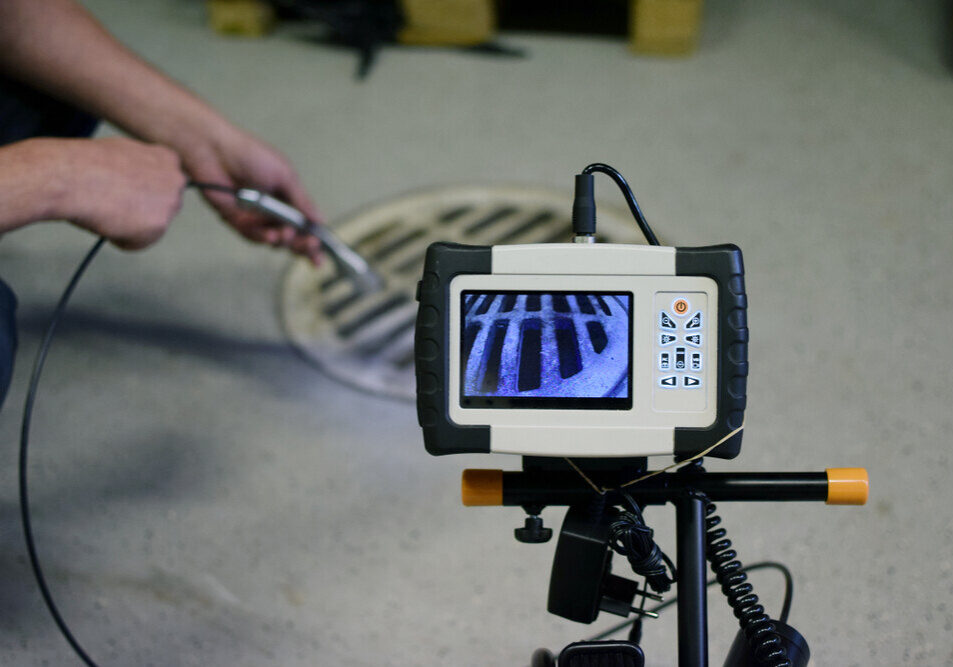
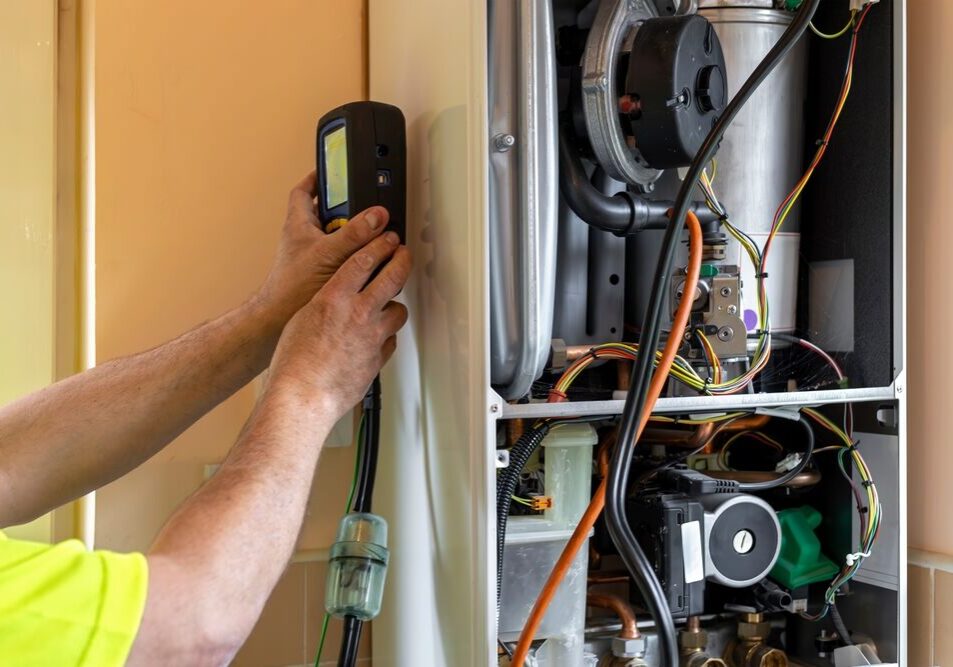
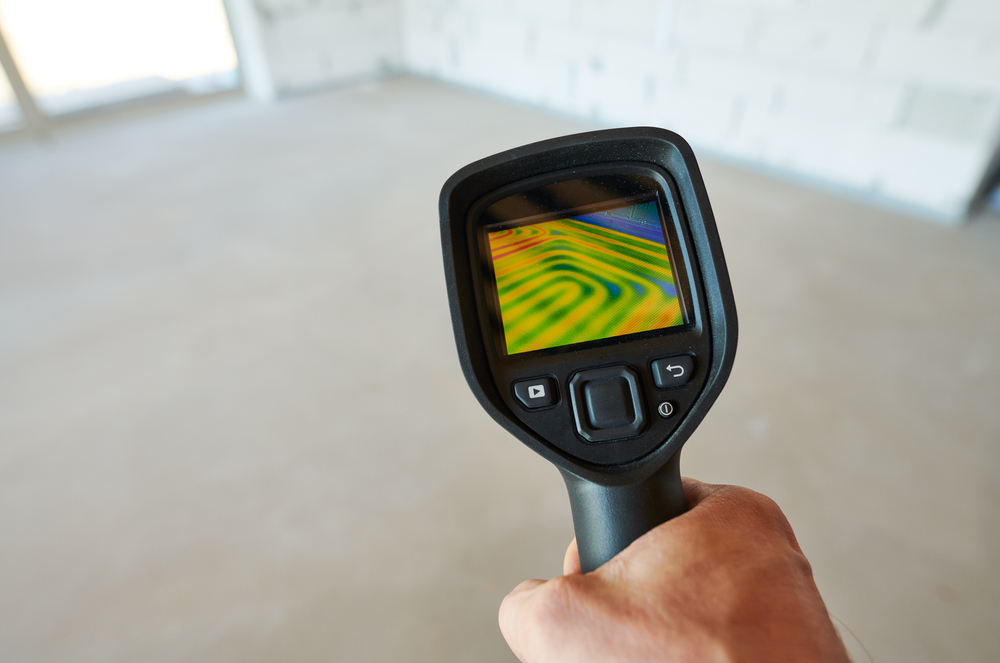
Modern equipment uses acoustic sensors, thermal imaging, and moisture meters to pinpoint a leak’s location with minimal disruption, often without removing any flooring at all.
Is a slab leak covered by homeowners insurance?
Coverage varies by policy and provider. Some plans cover the resulting water damage but exclude the cost of repairing the pipe itself, so checking policy details ahead of time helps avoid surprises.
Protecting What’s Beneath the Surface
Waiting for visible damage means waiting for the worst of it to already happen. Leak Detection Service Pros grew from a small local operation into a multi-team service provider by helping homeowners catch problems while they’re still manageable, whether that’s a residential leak detection job in a century-old craftsman or commercial leak detection across a multi-unit property. The company has built a name locally for prompt response times and dependable service, alongside sewer leak detection for issues that start well below the floor. If your hardwood feels a little different underfoot or your water bill has crept up without explanation, reach out before those subtle signs turn into a full subfloor replacement.
Call now and don’t wait for that leak!
Recent Posts