Finding water pooling near your home foundation or noticing a sudden spike in your monthly utility bill brings an immediate sense of urgency. Water flowing underneath a foundation creates serious structural risks, as well as health risks from mold growth. According to data from the Environmental Protection Agency, household leaks across the country waste more than one trillion gallons of water annually, with hidden structural plumbing leaks accounting for a large portion of wasted residential water. Finding a leak under concrete requires specialized knowledge and clear decision-making. Homeowners usually face two main restoration options: fixing the pipe directly at the spot of the damage or running a new line around the foundation. Leak Detection Service Pros provides fast diagnostic solutions to help you decide which path makes the most sense for your home. Knowing how these methods function helps you handle slab leak repair in Snellville, GA with clarity.
How Direct Restoration Works
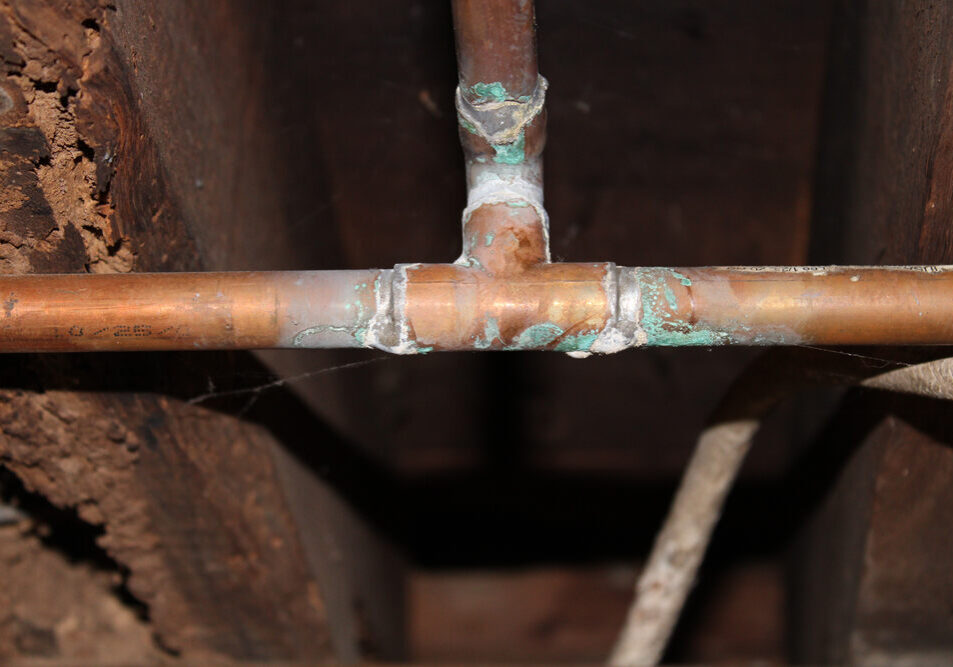
Direct foundation plumbing fixes involve pin-pointing the exact location of the break and opening a small section of the concrete floor to reach the pipe. Our technicians use specialized leak detection equipment to locate the breach before determining the appropriate access method. Once we clear away the concrete, we remove the damaged section of copper or PEX tubing and install a fresh, durable replacement fitting. This approach targets the specific point of failure directly without altering the rest of your plumbing system.
Homeowners often prefer direct fixes when the surrounding pipe network remains in good structural shape. Environmental studies on residential infrastructure show that localized pipe failure often stems from isolated issues like soil friction or original installation defects rather than widespread corrosion. Fixing only the damaged section keeps overall work contained to one room. Property owners looking for residential slab leak repair often choose this targeted option to resolve the issue directly at its source.
The structural impact on your home stays relatively localized during a direct fix. We carefully shield your living spaces from dust before breaking through the slab. After repairing the line, we backfill the hole with solid material and pour new concrete to match the existing floor height.
Understanding Pipe Line Rerouting
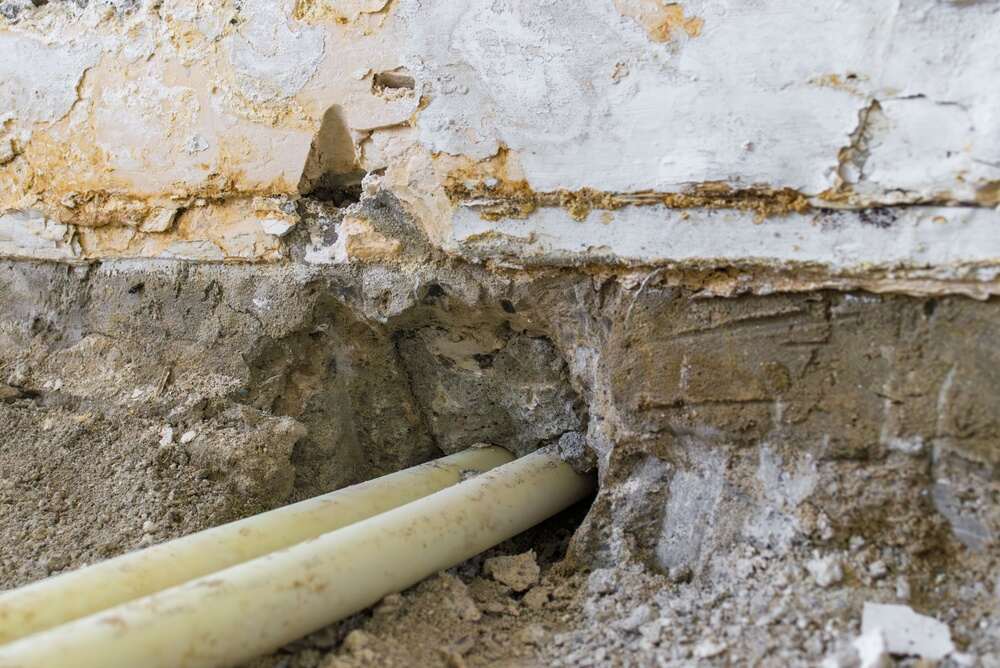
Rerouting takes a completely different path by abandoning the leaking pipe underground and installing an entirely new water line through your walls or attic space. Instead of breaking up your subfloor, technicians run high-grade PEX tubing around the perimeter of the slab to reconnect your fixtures. This strategy bypasses the hidden plumbing layer under your foundation entirely.
Building science research shows that underground copper lines exposed to alkaline soils over several decades suffer from steady degradation across the entire system. When an older line shows signs of multiple weak spots, bypassing the subterranean route prevents repeated plumbing calls down the road. Families who need emergency slab leak repair often lean toward rerouting because it avoids the noise and mess of jackhammers inside living areas.
Running new lines through walls or ceiling spaces also offers much easier access for any maintenance needs in the decades ahead. The new piping sits within the climate-controlled envelope of your home, completely isolated from soil shifts, ground movement, or chemical reactions with concrete underneath your subfloor.
Factors Influencing the Decision
The overall age and health of your existing plumbing network play a massive role in selecting your restoration strategy. Homes constructed several decades ago often feature copper pipes that have reached the end of their functional lifespan. If microscopic pinholes appear in one spot, the remaining pipe underneath the foundation likely suffers from similar wear and tear.
The physical location of the leak beneath your floor also directs the best path forward. A breach located underneath custom tile, kitchen cabinets, or hardwood flooring creates significant restoration work if accessed from above. Choosing a bypass line saves expensive surface materials from destruction while fixing your water issue completely.
The physical characteristics of your property floor plan influence overall project complexity. Single-story homes with accessible attic spaces present simple layouts for running overhead PEX lines. Multi-story structures or homes with flat roof designs require distinct routing plans to hide new piping inside existing wall cavities.
Diagnostic Technologies Used in Modern Plumbing
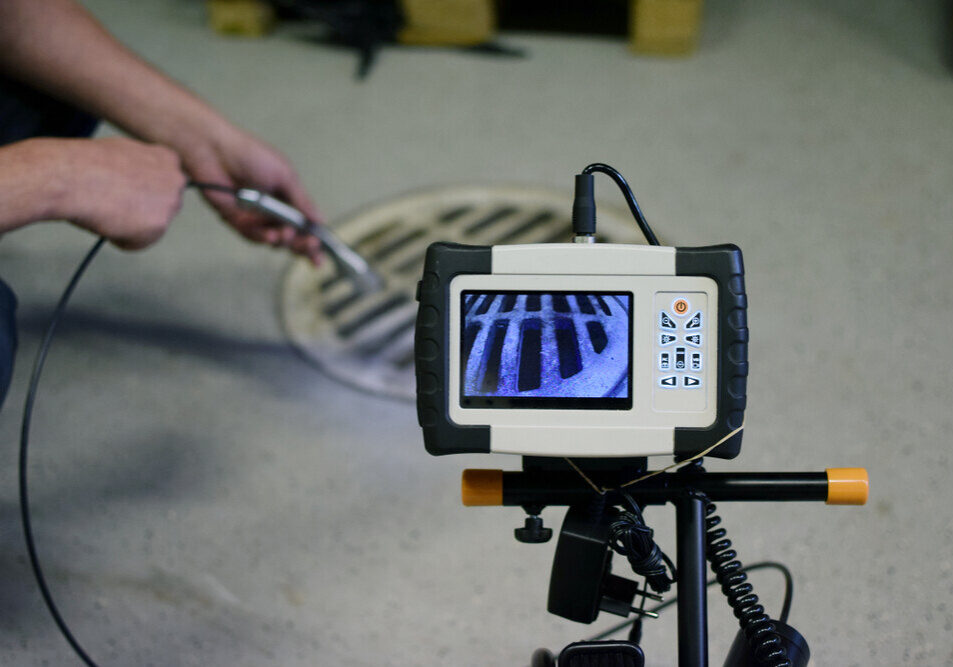
Accurate diagnosis forms the foundation of any successful plumbing decision. Modern leak detection relies on specialized technology to map out subterranean plumbing lines while limiting unnecessary property disruption. Advanced diagnostic equipment helps technicians identify water escaping beneath concrete and soil and determine the location of the affected line.
Finding the exact spot of escaping water allows property managers needing commercial slab leak repair to evaluate whether localized access or complete rerouting offers the most practical timeline for business operations.
Using sound frequency sensors helps us hear the distinct pitch of water escaping under pressure beneath concrete. Thermal cameras pick up subtle temperature variations on floor surfaces caused by hot water line leaks. These combined data points give you a clear, objective picture of your subfloor plumbing state.
Long-Term Considerations for Foundation Health
Water flowing beneath a building foundation weakens the supporting soil over time, creating voids that lead to foundation settling. The National Association of Home Builders notes that soil movement beneath concrete slabs stands among the leading causes of long-term structural distress in residential construction. Halting water release quickly protects the physical stability of your entire building frame.
Choosing direct restoration resolves the immediate water flow, but leaves remaining vintage pipes under the foundation. If your soil chemistry remains aggressive toward metal, old lines under the concrete remain vulnerable to fresh pinholes over time. Plumbing teams providing same-day slab leak repair can stop active water flow immediately while helping you evaluate the long-term health of the whole system.
Rerouting permanently eliminates subterranean risks for that specific line by bringing the plumbing above ground. Once line rerouting is complete, that specific water line is no longer located beneath the concrete slab, reducing the risk of another hidden leak along that run. PEX used in overhead reroutes also provides a flexible option for creating new water line paths through accessible areas of the home.
Comparing Property Disruption Levels
Direct foundation fixes create localized noise, dust, and physical material displacement inside your living space. Jackhammers generate substantial vibration, and removing soil and concrete requires careful containment to keep dust out of your indoor air supply. The physical hole must be filled and the surface flooring replaced once the plumbing fix completes.
Rerouting avoids concrete demolition inside your home entirely, but involves opening strategic wall sections or ceiling panels to guide new lines toward bathrooms and kitchens. Drywall repair and painting become part of the project rather than floor slab restoration. Homes needing concrete slab leak repair often choose rerouting specifically to preserve expensive custom flooring inside main living spaces.
Work schedules vary based on access parameters and property layout. Direct fixes usually take a short time once the location is marked, while rerouting may take additional time to run fresh lines through complex framing configurations. Understanding these trade-offs helps you prepare your home for the work ahead.
Materials Used in Modern Water Line Systems
PEX, or Cross-Linked Polyethylene, is commonly used for water line rerouting because its flexibility allows installers to create new plumbing paths with fewer connections. The appropriate material for a direct repair depends on the existing pipe and the specific repair requirements. Its flexibility also allows installers to navigate wall studs while limiting the number of connections along the new line.
When direct repairs call for copper, technicians use thick-walled Type L copper pipe to handle high pressure and resist soil wear. High-temperature soldering or press-fit mechanics form tight seals capable of enduring decades of water flow. Properties needing slab plumbing leak repair benefit from these high-strength materials built to handle continuous municipal water pressure.
Every fitting, sleeve, and connection installed under or around your foundation must meet strict national building codes. Choosing top-tier materials ensures your restored plumbing line handles daily water usage demands reliably year after year.
Financial and Property Value Impacts
Unresolved plumbing leaks under concrete destroy building materials, rot subflooring, and invite severe mold growth that damages indoor air quality. Taking action at the first sign of a leak preserves your property valuation and prevents compound issues from taking root in your foundation structure.
Direct repairs keep initial material expenditures low because less total pipe is needed to complete the fix. However, if your under-slab pipes are aging rapidly, paying for multiple direct repairs over a short span can eventually total more than a single complete reroute.
Rerouting requires an upfront investment in new piping material and wall access labor, but it secures your home against future subterranean pipe failures on that run.
Frequently Asked Questions
Q: How do I know if I have a leak beneath my slab?
A: Common warning signs include warm spots on your floor, the constant sound of running water when faucets are off, damp carpeting, or an unexplainable increase in your monthly water utility bill.
Q: How long does a typical slab leak fix take?
A: Most direct access repairs or line reroutes take between one and two days to complete, depending on property size and how easily technicians can access the lines.
Q: Will my homeowners insurance cover slab leak fixes?
A: Most standard policies assist with the cost of exposing the pipe and repairing water damage caused by the leak, though coverage details vary based on your specific insurance provider and policy wording.
Q: Does pipe rerouting require tearing up my yard or landscaping?
A: No, pipe rerouting takes place entirely within your home structure by guiding flexible PEX lines through wall cavities, attic spaces, and ceilings to bypass the underground slab completely.
Comprehensive Water Solutions for Your Home
When facing foundation water issues, you need a proven team that brings extensive experience and top-tier equipment directly to your door. Leak Detection Service Pros expanded from a small local operation to a multi-team service provider by focusing on honest answers and reliable fixes. We integrated industry-leading leak detection tools and non-invasive diagnostic systems to locate hidden problems fast without causing unnecessary damage to your home. Having successfully supported thousands of homeowners and businesses in Snellville, GA, we earned a local reputation for prompt response times and trusted service delivery. Our team has consistently maintained high customer satisfaction through quality workmanship on every single job.
Contact our team today to diagnose your foundation plumbing and get your home running cleanly again.
Recent Posts