Underneath the rolling hills and canopy of mature water oaks, sweetgums, red maples, and river birches in Gwinnett County, an invisible war plays out every single day. The underground root systems of these massive trees are engineered by nature to search endlessly for water, oxygen, and vital soil minerals. Your residential sewer lateral pipe happens to carry a warm, nutrient-rich supply of all three. When aggressive subterranean root networks meet aging underground drainage systems, expensive structural failures occur quietly beneath your lawn.
At Leak Detection Service Pros, we have witnessed how minor subsurface intrusions escalate into total pipe collapse. What started years ago as a modest, local diagnostic operation has grown into a multi-team service provider serving thousands of homeowners and commercial facilities across North Georgia. We have expanded by focusing on one clear mission: applying cutting-edge technology to diagnose, isolate, and repair hidden underground leaks without destroying property landscapes.
When you need specialized sewer line leak detection in Lawrenceville, GA, our field technicians bring non-invasive diagnostic capabilities directly to your doorstep. We integrated industry-leading leak detection tools and non-invasive diagnostic systems into our everyday workflows so property owners no longer have to endure destructive exploratory digging. Over decades of field service, our teams have successfully supported thousands of homeowners and businesses in Snellville, Lawrenceville, Grayson, and neighboring communities. We have been recognized locally for prompt response times and trusted service delivery because we know that time is critical during a main drain backup. By consistently maintaining high customer satisfaction through quality workmanship, our goal remains to catch small structural cracks long before sewage surfaces on your lawn.
Understanding Lawrenceville Soil Mechanics and Tree Biology
- Georgia red clay dominates the local subsurface environment.
- Red clay swells significantly when holding spring rain and shrinks drastically during summer dry spells.
- Heavy soil shifts place high shearing stress on rigid pipe materials like cast iron, terra cotta, and early PVC.
- Tree roots follow moisture gradients in soil, sensing pipe condensation from feet away.
- Microscopic root hair tips can penetrate openings as small as 1/64th of an inch.
Phase-by-Phase Process of Underground Root Intrusion
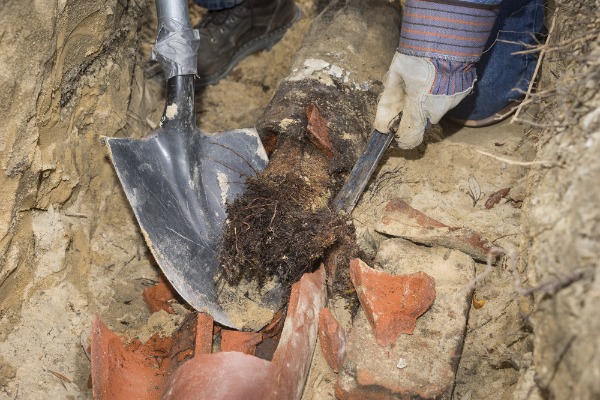
- Phase 1: Moisture Vapor Detection. Warm sewage creates a temperature difference against cool soil. Water vapor escapes through loose joints or tiny hairline cracks.
- Phase 2: Directional Root Targeting. Surrounding tree roots alter their natural growth direction, extending hair-like feeders toward the moisture source.
- Phase 3: Microscopic Entry. The root hair enters through a cracked fitting, mortar joint, or worn rubber gasket.
- Phase 4: Internal Proliferation. Inside the pipe, exposure to water and nitrogen causes the root to branch rapidly into dense, broom-like masses.
- Phase 5: Debris Trapping. The dense root web acts as a strainer, catching toilet paper, solid waste, and household fats.
- Phase 6: Structural Rupture. As the root trunk thickens inside the opening, it exerts outward radial pressure, snapping the host pipe apart.
Recognizing early warning signs gives you the chance to schedule an expert sewer line inspection before structural pipe wall collapse occurs. Most homeowners treat their first slow drain as an isolated annoyance, but systemic symptoms usually indicate main line blockages deeper in the lateral system.
Primary Symptoms of Subterranean Sewer Leaks
- Multiple fixtures draining slowly at the same time across the lowest level of the home.
- Toilet bowls gurgling or bubbling when the washing machine drains or the dishwasher discharges.
- Unexplained wet patches or unusually lush, fast-growing green grass along the sewer line path.
- Persistent foul odors resembling rotten eggs or sewer gas near outdoor foundation walls or basement cleanouts.
- Sudden depressions, sinkholes, or shifting pavers near walkways, driveways, or yard boundaries.
- Unexplained spikes in municipal water bills if a freshwater supply line runs alongside the sewer lateral.
When our crews receive a call for a suspected lateral failure, we skip the outdated guessing games. Instead, we deploy specialized sewer line leak inspection technology to pinpoint the precise location, depth, and nature of the damage without breaking ground.
Advanced Diagnostic Protocols Used by Our Technicians
- HD Self-Leveling Micro-Cameras: High-definition cameras travel through cleanouts to provide real-time color footage of interior pipe walls.
- Sonde Radio Transmitters: Transmitters mounted on camera heads broadcast signals to surface receivers to pinpoint exact depth and pipe location.
- Acoustic Microphones and Ground Sensors: Sensitive audio equipment isolates high-frequency leak sounds made by pressurized fluids escaping pipe walls.
- Digital Inclinometer Mapping: Sensors measure the exact slope and pitch of the pipe to identify sagging sections where water settles.
- Smoke Testing Equipment: Non-toxic diagnostic smoke is forced into the line to identify hidden ground surface cracks or unsealed joints.
When an active line rupture occurs, waiting days for assistance causes sewage backflow into homes, creating costly health hazards and property destruction. That is why we maintain specialized teams ready for emergency sewer line leak detection calls throughout the area.
Emergency Response and Isolation Steps
Step 1: Rapid Site Dispatch and Main Line Containment. We arrive on site quickly to stop incoming flow and stabilize the plumbing system.
Step 2: Immediate Sewer Camera Inspection. We insert fiber-optic cameras through cleanouts to locate the main cause of backflow in minutes.
Step 3: Hydraulic Pressure Relief. We clear standing waste and dense root blockages to relieve pressure on internal fixtures.
Step 4: Sub-Surface Leak Isolation. We use electronic locator tools to map the exact location of pipe ruptures beneath soil or concrete.
Step 5: Trenchless Repair Deployment. We outline direct, non-invasive repair paths that preserve your home exterior and landscaping.
Once we isolate root intrusion, selecting the right sewer line leak repair method ensures long-term reliability. Legacy plumbing tactics relied heavily on digging wide, destructive trenches across lawns and driveways. At Leak Detection Service Pros, we prioritize modern trenchless technology whenever possible to preserve your land.
Detailed Sewer Line Restoration Methods
1. High-Pressure Hydro Jetting
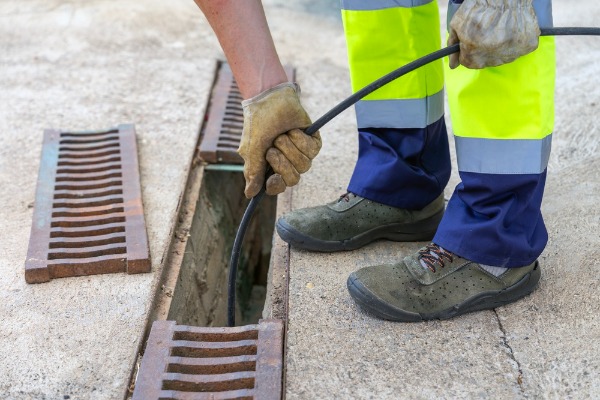
- Uses focused water pressure up to 4,000 PSI to cut through dense root masses inside pipes.
- Flushes out grease, mineral scale, and trapped organic buildup down the line.
- Restores full pipe diameter without requiring any physical excavation.
- Serves as an essential cleaning step prior to permanent pipe lining or rehabilitation.
2. Cured-In-Place Pipe (CIPP) Lining
- Involves pulling an epoxy-saturated felt liner into the existing damaged pipe.
- A calibration bladder inflates the liner, pressing it firmly against the old pipe walls.
- Heat or UV light cures the resin, creating a smooth, seamless jointless pipe inside the old one.
- Fully seals existing cracks, joint gaps, and root entries for over 50 years.
3. Pipe Bursting Restoration
- Uses a hydraulic pulling head to break apart the old, collapsed pipe externally.
- Simultaneously pulls a new, seamless High-Density Polyethylene (HDPE) pipe into place.
- Requires only two small access pits instead of long, continuous open trenches.
- Ideal for severely crushed, offset, or structurally failed pipe lines.
4. Spot Repair and Sectional Lining
- Targets isolated root intrusions or cracked joints without repairing the whole line.
- Uses short structural fiberglass sleeves placed precisely over damaged areas.
- Provides a cost-effective option for long pipe runs with localized damage.
- Cures quickly to restore normal drain function on the same day.
Comparison of Sewer Repair and Diagnostic Solutions
Every single property owner can reduce subterranean root risk by adopting smart preventative strategies. Combining mechanical protection with routine care keeps tree roots far away from critical utility lines.
Preventative Root Management Strategies for Homeowners
- Plant Large Trees Away From Lines: Keep water-seeking species like maples, oaks, and willows at least 30 feet from utilities.
- Choose Slow-Growing Deep-Root Species: Opt for smaller shrubs or ornamental trees near utility corridors.
- Install Physical Root Deflectors: Place solid plastic barriers along trench lines during new construction or landscaping projects.
- Schedule Regular Inspections: Book a sewer line camera inspection every two years to catch early root hairs before they expand.
- Apply Chemical Root Inhibitors: Use EPA-approved foaming root treatments annually to prevent root growth inside pipe joints.
- Maintain Pipe System Cleanouts: Keep yard cleanout caps accessible and tight to prevent dirt and surface water entry.
Why Regional Factors Matter in Sewer Maintenance
- Soil Movement Dynamics: Summer dry spells pull moisture out of Georgia red clay, causing ground settling that strains pipe joints.
- Tree Density Risks: Established local neighborhoods feature tall tree canopies whose root systems spread far wider than their drip lines.
- Legacy Pipe Materials: Older homes in Gwinnett County often feature clay or cast iron lines that decay naturally over decades.
- Seasonal Rainfall Spikes: Sudden downpours saturate the upper soil, increasing pressure on cracked lines and accelerating erosion around leaks.
- Temperature Swings: Mild winters followed by hot summers encourage continuous root growth throughout most of the calendar year.
Frequently Asked Questions
- How do I know if tree roots are in my sewer line?
Multiple sluggish drains, bubbling toilets, foul yard odors, and unusually bright green lawn patches indicate root intrusion. A video pipe inspection confirms exact root locations.
- Can hydro jetting permanently eliminate tree root problems?
Hydro jetting cuts away existing root masses and scours pipe walls clean, but it does not seal cracks. Roots will grow back unless the pipe is sealed with trenchless CIPP lining or repaired.
- Will trenchless sewer repair destroy my landscaping or driveway?
Trenchless pipe lining requires only small access points, preserving your lawn, plants, driveways, and hardscapes. The entire lining process occurs internally inside the damaged pipe.
- How often should I schedule a sewer camera inspection?
Homeowners with mature trees on their property should schedule a sewer camera inspection every 1 to 2 years. Regular checks catch hair-thin root intrusions before major pipe damage occurs.
At Leak Detection Service Pros, our commitment to accurate diagnostics, quality workmanship, and prompt service delivery keeps local sewer systems running smoothly. We take pride in defending home foundations, driveways, and lush yards against silent underground root invasions across the region.
Do not wait for slow drains to turn into a full-scale main sewer line backup inside your property. Contact Leak Detection Service Pros today to schedule your non-invasive inspection and protect your home’s plumbing infrastructure for years to come.
Recent Posts