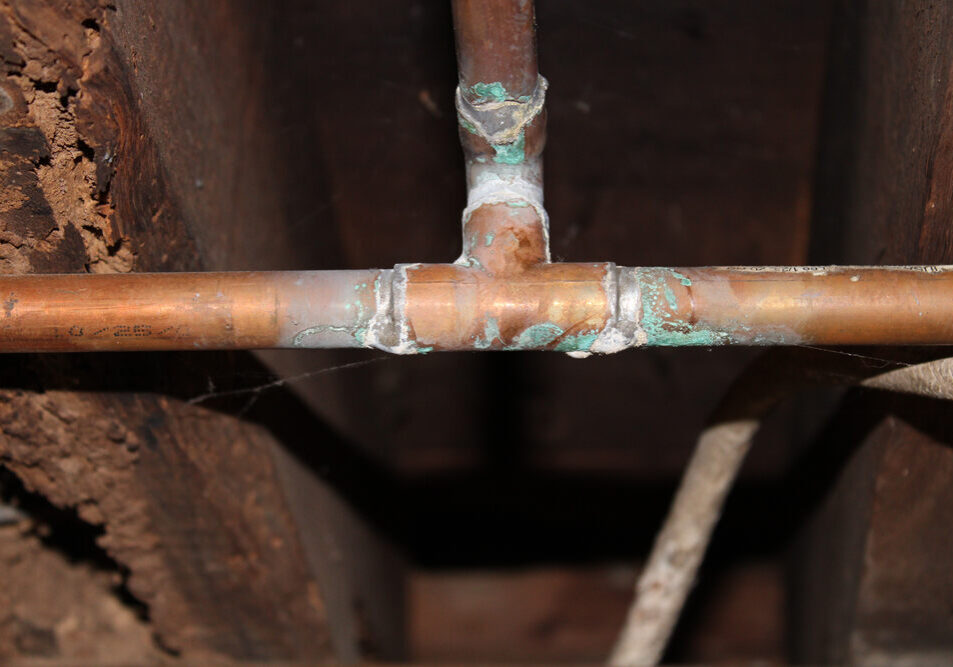
Water gushing from a broken pipe creates instant panic for any property owner. Standing water damages drywall, ruins flooring, and weakens building foundations within minutes. According to data from the Insurance Information Institute, water damage and freezing account for nearly twenty-four percent of all homeowner insurance claims each year, with average property losses exceeding eleven thousand dollars per event. Knowing how to react in the first few moments determines how much structural damage your property suffers. At Leak Detection Service Pros, we see firsthand how fast action minimizes destruction. If you are dealing with an active flood right now, calling for emergency service in Covington, GA will get professional equipment to your site to stop the flooding.
Step #1: Shut Off the Main Water Supply Immediately
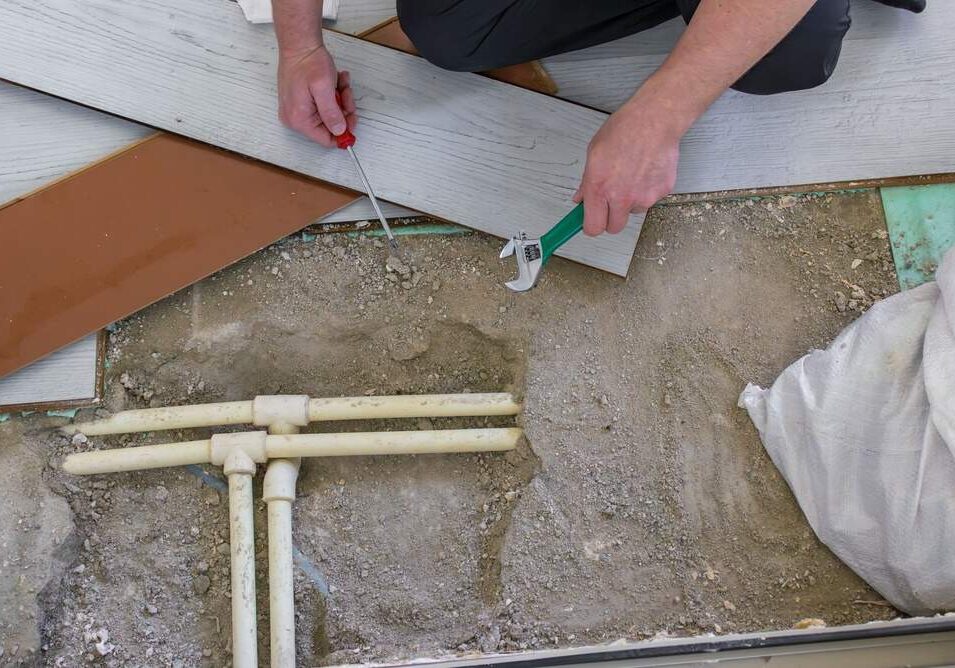
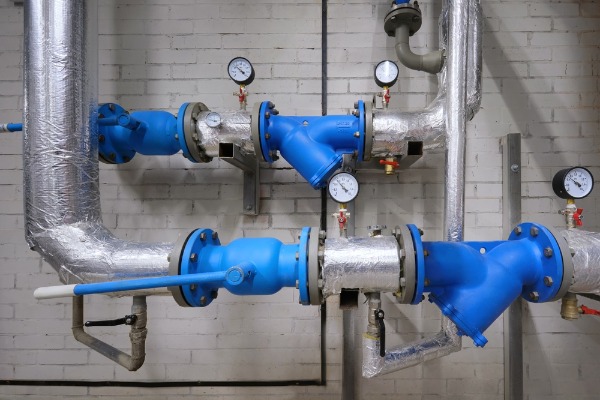
Finding the main water shutoff valve is the most critical first step. Turning this valve stops new water from entering your plumbing lines and prevents thousands of gallons from pouring into your living spaces or work areas. Main shutoff valves sit near the water meter, inside a garage, or where the main line enters the home foundation. Turn the handle clockwise until it stops completely. If your pipe failure occurs in underground plumbing or beneath concrete slabs, finding the exact source requires specialized residential leak detection to pinpoint hidden subterranean fractures.
Step #2: Relieve Residual Pipe Pressure and Power Down Nearby Utilities
After closing the main valve, water remains trapped inside your plumbing system. Open outdoor spigots and lower level faucets to drain the remaining water out of the pipes safely away from your living space. Water near electrical outlets, appliances, or panel boxes poses extreme hazards. Turn off the electricity to affected rooms at the circuit breaker box if you can reach it safely without walking through standing water. Water leaking from overhead supply lines can pool above ceilings, creating massive structural weight. If you manage a commercial facility or multi-family housing unit, scheduling commercial leak detection helps identify pressurized structural lines that pose electrical risks across multiple floors.
Step #3: Document the Affected Areas for Insurance Claims
Take photos and record video of all visible water, soaked building materials, and damaged personal belongings before starting cleanup efforts. The Federal Emergency Management Agency recommends documenting all physical property conditions thoroughly to support coverage evaluations. Keep damaged items until an adjuster inspects them. Detailed documentation helps your insurance company process your claim faster and ensures proper reimbursement for building repairs.
Step #4: Contact Professional Technicians for Immediate Repairs
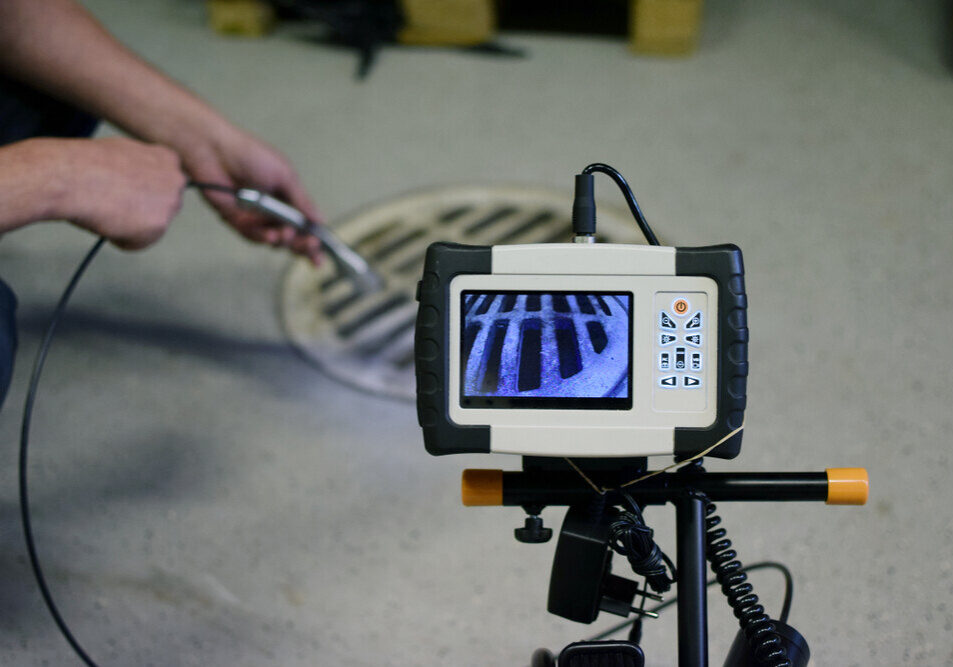
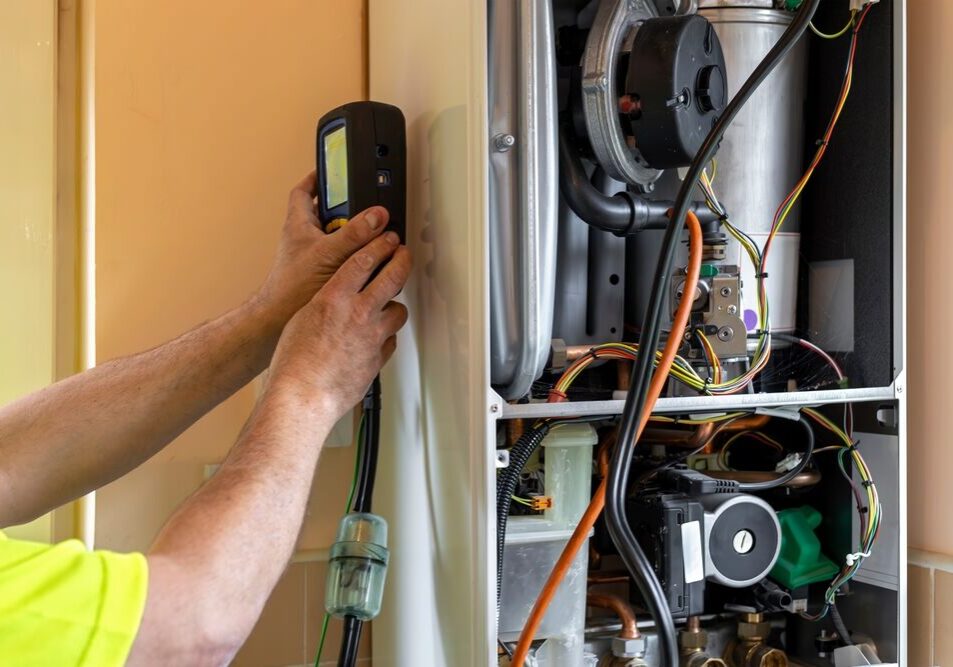
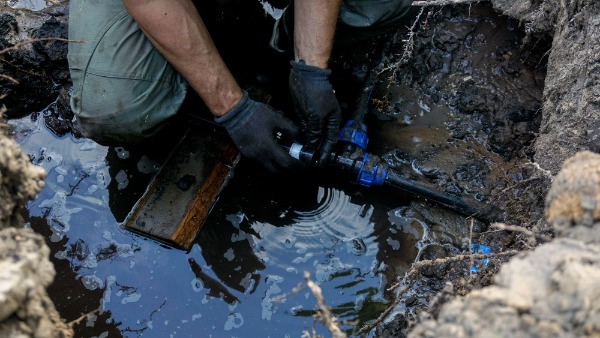
Professional restoration requires specialized diagnostic tools and heavy-duty water extraction equipment. Underground supply lines or foundation pipes require specialized slab leak detection to locate subterranean breaks without tearing up large sections of concrete. Catching pressurized wall leaks early requires fast action, making 24-hour leak detection vital for preventing extensive mold growth inside wall cavities. When main lines fail suddenly, calling for same‑day leak detection ensures technicians stop active structural flooding quickly. If your plumbing infrastructure includes active utility lines, scheduling gas leak detection alongside water line evaluations keeps your entire property safe from hidden hazards. Professional restoration teams utilize modern trenchless relining technology to rehabilitate broken underground lines without destructive excavation.
Key Restoration Methods and System Standards
- Relining damaged pipes involves inserting an epoxy resin saturated felt liner directly into the broken host pipe
- Technicians pull the saturated felt liner through the damaged line using access points ranging from two inches to eighteen inches in diameter.
- Curing the new liner requires heat, utilizing steam curing for long continuous runs or fast UV curing for rapid hardening under ultraviolet light arrays.
- The cured-in-place pipe creates a seamless new wall structure inside the old pipe that features a verified fifty-year lifespan under standard operating conditions.
Frequently Asked Questions
Q: How fast does water damage cause mold growth?
A: Mold spores begin colonizing on damp drywall and organic materials within twenty-four to forty-eight hours of exposure. Immediate water extraction stops fungal growth before it spreads through air ducts.
Q: Should I turn off my main water valve if I suspect a hidden leak?
A: Yes, turning off the main valve stops water flow instantly and prevents structural saturation while waiting for diagnostic equipment.
Q: What is trenchless pipe repair?
A: Trenchless repair uses epoxy liners cured with steam or light to restore broken underground pipes through small entry points without digging up yards.
Q: How do technicians locate leaks inside concrete slabs?
A: Technicians use acoustic listening devices, thermographic imaging, and tracer gases to pinpoint sub-floor pipe fractures through solid concrete.
Restoring your property after a pipe failure requires experienced technicians who arrive equipped to handle critical repairs. Our team expanded from a small local operation to a multi-team service provider by bringing top standards to every job site. We integrated industry-leading leak detection tools and non-invasive diagnostic systems to locate hidden pipe failures fast without causing unnecessary property destruction. Over the years, we successfully supported thousands of homeowners and businesses in Covington, GA with comprehensive plumbing diagnostics and trenchless pipe rehabilitations. Leak Detection Service Pros is recognized locally for prompt response times and trusted service delivery during high-stress plumbing emergencies. We consistently maintained high customer satisfaction through quality workmanship on every structure we service.
Reach out to our team today to get your plumbing system fully restored.
Recent Posts