An unexpected spike in your water bill can send homeowners searching for answers quickly. Many assume the city utility department will handle any underground water leak connected to the property, but that is not always the case. In reality, the responsibility for water line repairs depends on where the leak occurs.
For homeowners looking for a trusted plumber in Conyers, GA, understanding this distinction is important because private water line failures can become expensive if they go unnoticed for too long. At Leak Detection Service Pros, we regularly help property owners identify hidden leaks and determine whether the issue falls under municipal responsibility or private ownership.
In this article, we explain:
✅️ The difference between the city water main and your private line
✅️ How to read your water meter for hidden leak detection
✅️ Which repairs homeowners are financially responsible for
✅️ Signs of underground water line problems
✅️ When professional service becomes necessary
WHAT IS THE DIFFERENCE BETWEEN A WATER MAIN AND A WATER METER?
The city water main is the large municipal pipe that delivers water throughout neighborhoods and public streets. It is owned and maintained by the local utility provider.
Your private water service line branches off from that municipal system and carries water from the meter to your home. The water meter itself serves as the dividing point between public infrastructure and private responsibility.
This distinction creates confusion because many homeowners assume the city maintains every underground pipe connected to the property. In most cases, any pipe located between the meter box and the home falls under the homeowner’s responsibility.
WHY THIS MATTERS FOR HOMEOWNERS
Underground water line leaks are not always obvious. A pipe can leak for weeks or months before visible symptoms appear. During that time, homeowners may continue paying for water loss without realizing it.
The financial impact can include:
⚠️ Increased utility bills
⚠️ Landscape damage
⚠️ Soil erosion near foundations
⚠️ Water pressure loss
⚠️ Structural moisture concerns
When these leaks occur on the private side of the system, repairs require professional plumbing repair rather than assistance from the city utility department.
HOW TO CHECK YOUR WATER METER FOR HIDDEN LEAKS
One of the simplest ways to identify a hidden water leak is by monitoring your water meter.
Step 1: Turn off all water sources
Make sure no faucets, appliances, irrigation systems, or fixtures are using water inside or outside the home.
Step 2: Locate the meter
Most residential meters are housed inside a covered ground box near the street or curb.
Step 3: Observe the leak indicator
Many modern meters include a small dial or digital indicator that moves when water is flowing through the system.
Step 4: Wait and recheck
If the indicator continues moving while all water is shut off, it often signals a hidden leak somewhere on the property.
This process helps homeowners determine whether further inspection is needed before the problem worsens.
COMMON SIGNS OF A PRIVATE WATER LINE LEAK
Unexplained increases in water bills
A sudden billing increase without changes in household water use is one of the most common warning signs.
Wet or unusually green areas in the yard
Underground leaks may saturate specific sections of landscaping even during dry conditions.
Reduced water pressure
Leaks within the private service line can reduce the amount of water reaching household fixtures.
Foundation moisture concerns
Long-term underground leakage near the home may contribute to shifting soil or unwanted moisture accumulation.
These symptoms often point to hidden issues within the property’s private plumbing system rather than municipal infrastructure.
EXPERT INSIGHT: WHY DELAYING REPAIRS CREATES LARGER RISKS
Many homeowners wait too long before investigating unusual water usage because they assume the utility provider will eventually identify the problem. Unfortunately, underground leaks can remain undetected for extended periods.
The longer a private water line leak continues, the greater the potential for:
‼️ Pipe deterioration
‼️ Soil displacement
‼️ Water waste costs
‼️ Structural impact near the home
Early detection often reduces both repair complexity and overall property disruption.
MAIN BREAKDOWN: WHO HANDLES WHICH PART OF THE SYSTEM?
Municipal utility responsibilities
- Overview: Public infrastructure up to the meter
- How it works: The city maintains water mains and utility-side connections
- Benefits: Utility departments manage large-scale distribution systems
- Limitations: Responsibility usually ends at the meter
- Best use cases: Public pipe failures or street-side utility issues
Homeowner responsibilities
- Overview: Private water service line from the meter to the home
- How it works: Water enters the home through privately maintained piping
- Benefits: Allows homeowners direct control over repairs and upgrades
- Limitations: Repair costs typically fall entirely on the property owner
- Best use cases: Underground service line leaks or residential pipe failures
Professional diagnostic services
- Overview: Leak detection and system evaluation
- How it works: Technicians use specialized tools to locate hidden leaks underground
- Benefits: Reduces unnecessary excavation and improves repair accuracy
- Limitations: Some severe damage may still require excavation access
- Best use cases: Unexplained water loss or pressure changes
PRACTICAL APPLICATION / NEXT STEPS
Homeowners should monitor water bills consistently and investigate changes early rather than waiting for visible property damage.
Practical steps include:
📝 Checking the water meter monthly
📝 Watching for wet ground near the service line
📝 Monitoring household pressure changes
📝 Scheduling inspections when warning signs appear
📝 Acting quickly on unexplained water usage increases
If a leak is confirmed, contacting a licensed plumber helps determine the exact location and scope of the issue before conditions worsen.
In severe cases involving rapid water loss or active flooding, professional emergency plumbing support may be necessary to shut down the system and prevent additional damage.
FUTURE TRENDS / INDUSTRY OUTLOOK
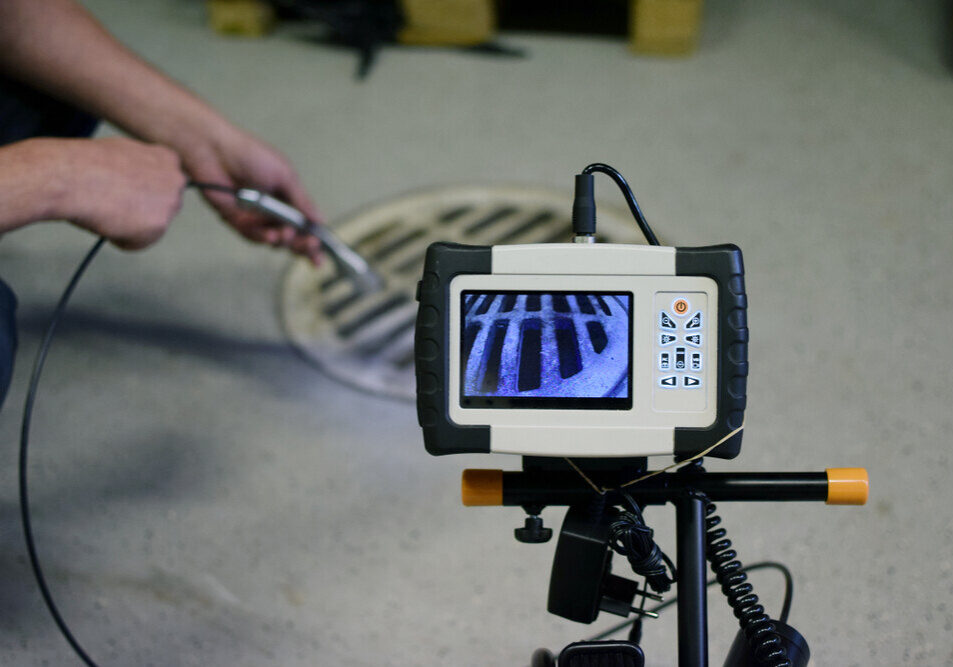
Leak detection technology continues evolving toward faster, less invasive diagnostics. Modern tools now allow technicians to pinpoint underground leaks with greater accuracy while minimizing excavation.
As utility costs continue rising, homeowners are also becoming more proactive about monitoring water usage and identifying inefficiencies before they create larger financial burdens.
FAQs
Is the city responsible for water leaks on my property?
Usually not. Most homeowners are responsible for leaks occurring between the water meter and the home.
How can I tell if I have a hidden water leak?
Checking your water meter while all fixtures are off is one of the simplest ways to identify ongoing water flow.
Will my water bill increase from a small underground leak?
Yes. Even slow leaks can waste significant amounts of water over time.
When should I call a plumber for a water line issue?
If your meter indicates continuous water flow or you notice pressure loss or wet ground, professional inspection is recommended.
Understanding where municipal responsibility ends and private ownership begins helps homeowners respond faster when underground leaks occur. Water line failures between the meter and the home often require private repair, making early detection extremely important.
At Leak Detection Service Pros, we help homeowners locate hidden leaks using advanced diagnostic tools and practical system evaluations. From identifying underground water line issues to providing responsive plumbing repair support, our team is committed to helping property owners address water loss problems before they lead to larger structural or financial concerns!
Recent Posts