Watching your pool water level drop can be frustrating. One day the water line looks normal. A few days later, it seems noticeably lower. The question many pool owners ask is simple: Is the water disappearing because of normal evaporation, or is there a leak somewhere in the system?
The answer matters. Evaporation is a natural process that affects every pool, especially during Georgia’s warm months. A leak, however, can waste thousands of gallons of water and place unnecessary strain on plumbing equipment and surrounding structures. At Leak Detection Service Pros, we help property owners separate normal water loss from hidden problems. For anyone seeking leak detection in Covington, GA, understanding the science behind pool water loss is the first step toward identifying the real cause.
Why Pools Lose Water Every Day
Every swimming pool experiences evaporation. As sunlight heats the water, some water molecules gain enough energy to escape into the air as vapor.
Several factors influence evaporation rates:
- Air temperature
- Water temperature
- Humidity levels
- Wind exposure
- Amount of direct sunlight
According to the U.S. Environmental Protection Agency (EPA), evaporation rates increase significantly during hot, dry, and windy conditions. During summer, many pools lose roughly 1/4 inch of water per day through normal evaporation. A loss approaching 1 inch per day often signals something beyond ordinary environmental conditions.
Understanding the Bucket Test
The bucket test is one of the simplest ways to determine whether water loss is caused by evaporation or a leak.
The process involves:
- Filling a bucket with pool water.
- Placing the bucket on a pool step.
- Matching the water level inside the bucket with the water level outside the bucket.
- Marking both water levels.
- Waiting 24 to 48 hours without significant pool use.
If the pool water level drops substantially more than the water inside the bucket, the pool may have a leak. While the bucket test can provide useful clues, it does not identify where the water is escaping. That often requires professional water leak detection methods.
Common Pool Leak Locations
Pool systems contain numerous components that can develop leaks over time.
Some of the most common sources include:
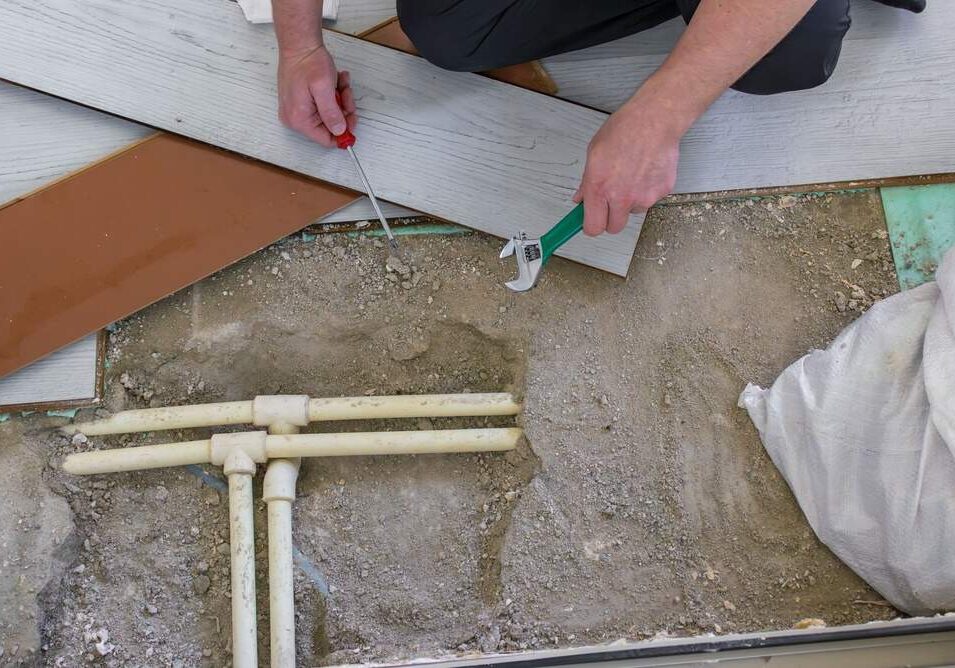
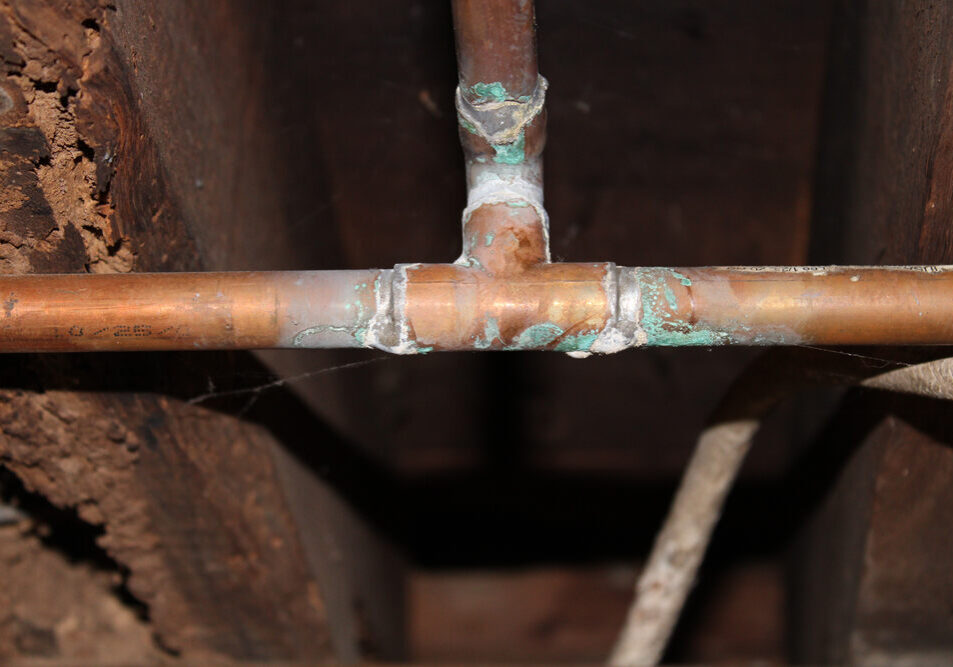
- Underground plumbing lines
- Pool skimmers
- Return fittings
- Main drains
- Pool lights
- Expansion joints
- Equipment pads
Many pool owners assume visible cracks are responsible, but hidden plumbing issues frequently account for significant water loss. This is where advanced pipe leak detection techniques become valuable.
When Water Loss Extends Beyond the Pool
Some pool leaks affect more than the pool structure itself. Escaping water can migrate into surrounding soil and impact nearby foundations, decks, or utility systems.
In certain situations, leak investigations may involve:
- Leak detection for nearby structures.
- Leak detection for larger recreational facilities.
- Moisture mapping around affected areas.
- Pressure testing of underground plumbing networks.
These evaluations help determine the full extent of water migration before additional damage occurs.
How Professionals Confirm Hidden Leaks
Modern leak detection relies on specialized tools that allow technicians to locate leaks without unnecessary excavation.
Common diagnostic methods include:
- Acoustic listening equipment
- Pressure testing
- Dye testing
- Electronic leak detection
- Thermal imaging analysis
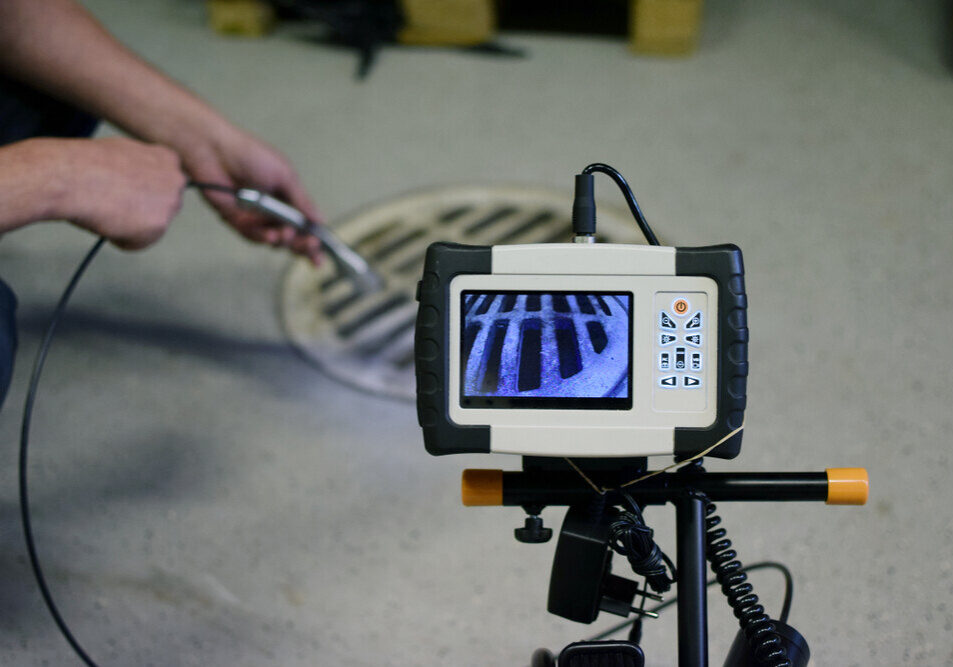
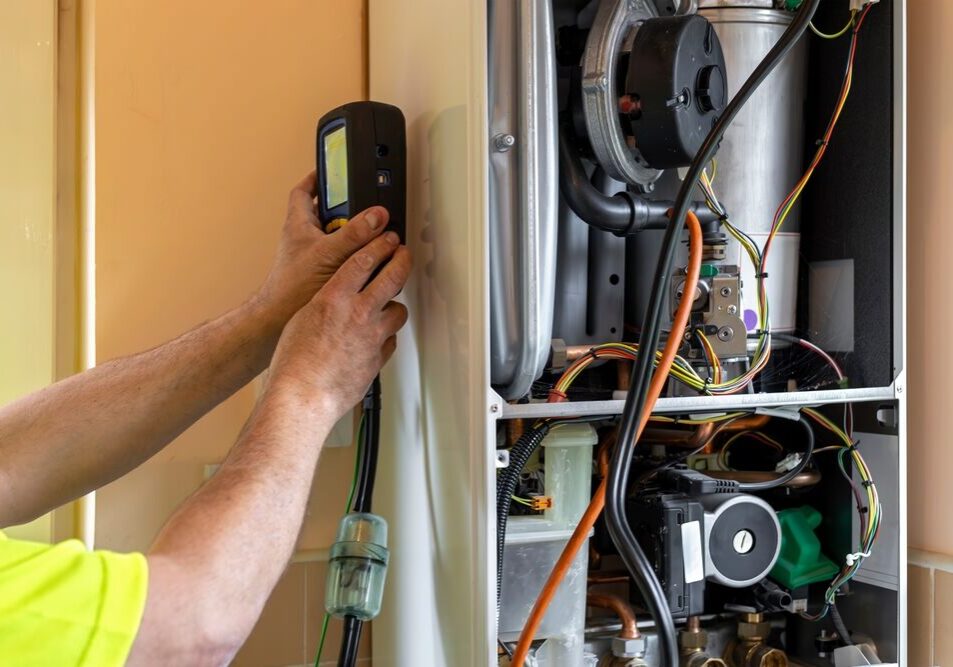
A professional leak detection company uses these technologies to narrow down the exact location of water loss rather than relying on guesswork.
What About Underground Sewer Lines?
In some cases, water loss concerns reveal unrelated plumbing issues beneath the property. While less common in pool investigations, damaged drainage systems can contribute to moisture problems and unusual ground saturation. Advanced sewer leak detection methods help identify these hidden conditions when symptoms point beyond the pool itself. Similarly, if water migration affects a nearby foundation, technicians may also investigate conditions associated with slab leak detection.
Signs That Point To a Leak
Although evaporation is normal, several warning signs may indicate a more serious issue:
- Water loss exceeding 1/2 to 1 inch per day.
- Wet spots around the pool.
- Cracks forming near decking areas.
- Increased water bills.
- Air entering the circulation system.
- Difficulty maintaining water levels.
When multiple symptoms appear together, professional evaluation is often warranted.
Frequently Asked Questions
How much pool water loss is normal each day?
Many pools lose about 1/4 inch of water daily during hot summer conditions due to evaporation.
What does the bucket test tell me?
The bucket test compares evaporation inside a bucket to water loss in the pool, helping identify whether a leak may be present.
Can a pool leak be underground?
Yes. Many pool leaks occur in buried plumbing lines where water loss is not immediately visible.
Do all pool leaks require excavation?
No. Modern residential leak detection methods can often identify the source before any digging is considered.
Pool water naturally comes and goes through evaporation, but excessive loss deserves a closer look. Leak Detection Service Pros has successfully supported thousands of homeowners and businesses while building a reputation for prompt response times and trusted sewer leak detection service delivery. Using advanced diagnostic equipment and non-invasive testing methods, our team helps property owners identify hidden water loss accurately and efficiently. If your pool seems to be losing more water than it should, we can help determine whether you’re seeing normal evaporation or evidence of a hidden leak!
Recent Posts