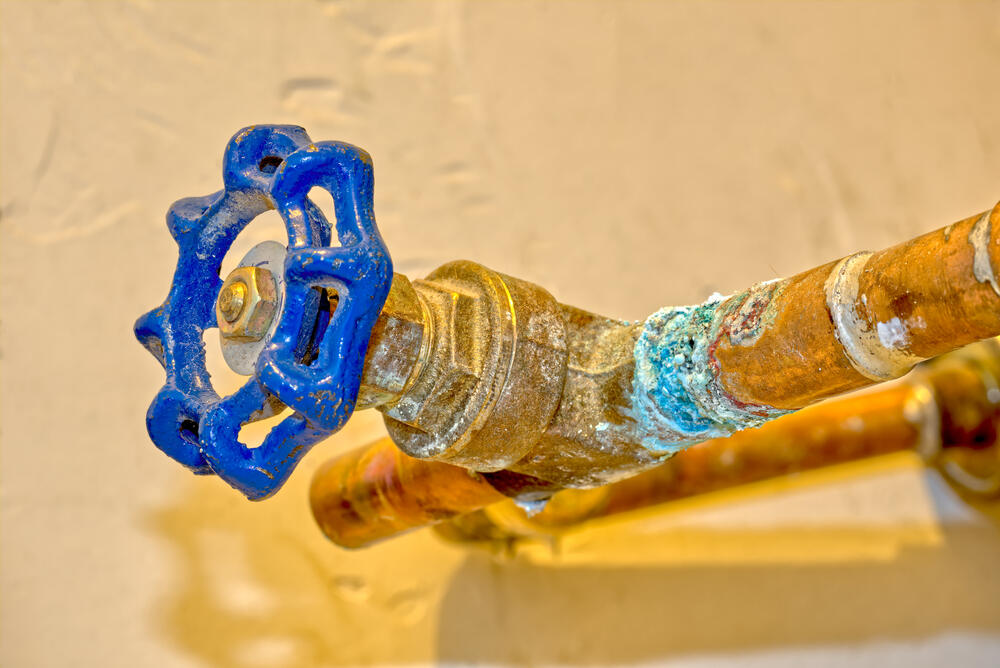
Corroded copper pipes cause structural damage, wet drywall, and high utility bills if left unaddressed. Copper was the standard plumbing material for decades due to its durability, yet chemical reactions in water lead to pinhole leaks over time. According to the United States Environmental Protection Agency, water with a pH level below 6.5 can increase the potential for corrosion in copper plumbing. When green or blue stains appear on fixtures, internal pipe walls are already breaking down. Leak Detection Service Pros helps property owners address these plumbing issues before water ruins flooring or ceiling materials. Our technicians utilize advanced techniques to restore structural integrity to damaged lines, providing long-lasting solutions through leak repair in Lawrenceville, GA.
Identifying Copper Corrosion in Plumbing Systems
Corrosion in copper lines can result from water chemistry, high water velocity, or aggressive soil conditions. Pinhole leaks often start as tiny pits inside the pipe wall that slowly wear through the metal over several years. Water supply lines operating with high friction wear away the protective inner oxide film, leaving bare metal exposed to acidic minerals. The Environmental Protection Agency notes that high levels of dissolved oxygen and total dissolved solids accelerate copper deterioration rapidly. Recognizing physical signs like discoloration, damp insulation, or low water pressure early allows property owners to resolve issues before large sections of plumbing fail completely. We handle residential leak repair projects by inspecting plumbing layouts carefully to catch early signs of degradation.
Preparing the Damaged Pipe for Restoration
Fixing a copper line begins with shutting off the main water supply to depressurize the system. Technicians drain remaining water from lower fixtures to create a clean, dry work space within the line. The damaged section is measured accurately to determine the exact area requiring restoration. Cleaning the exterior or interior pipe wall removes oxidation scale, mineral deposits, and debris that prevent repair materials from bonding correctly. Mechanical tools polish the metal surface until bright copper shows through. For commercial leak repair jobs, isolating specific zones ensures other parts of a facility remain functional during this preparation phase.
Materials Used for Pipe Rehabilitation
Restoring compromised copper requires repair materials and methods suited to the condition and location of the damaged line. Depending on the extent of corrosion, technicians may use targeted repair methods to address localized leaks or recommend replacement when the pipe has deteriorated extensively. The appropriate approach helps restore the plumbing system while minimizing unnecessary disruption to surrounding walls and finishes.
Repairing the Damaged Copper Section
Once the damaged area has been identified, technicians determine the appropriate repair method based on the pipe’s condition, location, and extent of corrosion. Localized damage may allow for targeted repairs, while severely deteriorated sections may require replacement. Careful preparation helps ensure the repaired section remains secure and the surrounding walls, cabinetry, flooring, or other finishes experience minimal disruption.
Extending Pipe Longevity by Decades
The longevity of a repaired copper plumbing system depends on the extent of corrosion, the repair method used, water chemistry, and the condition of the surrounding plumbing. Addressing corrosion early can help prevent leaks from worsening and may extend the useful service life of otherwise repairable sections.
Handling Various Pipe Diameters
Plumbing systems feature many pipe sizes depending on their location and function within a building. Main lines, supply risers, and drainage paths each demand specific repair tools. The appropriate repair equipment and method depend on the pipe’s diameter, material, location, and condition. Technicians evaluate these factors before determining the most suitable approach for the damaged section.
Repairing Below-Slab Copper Lines
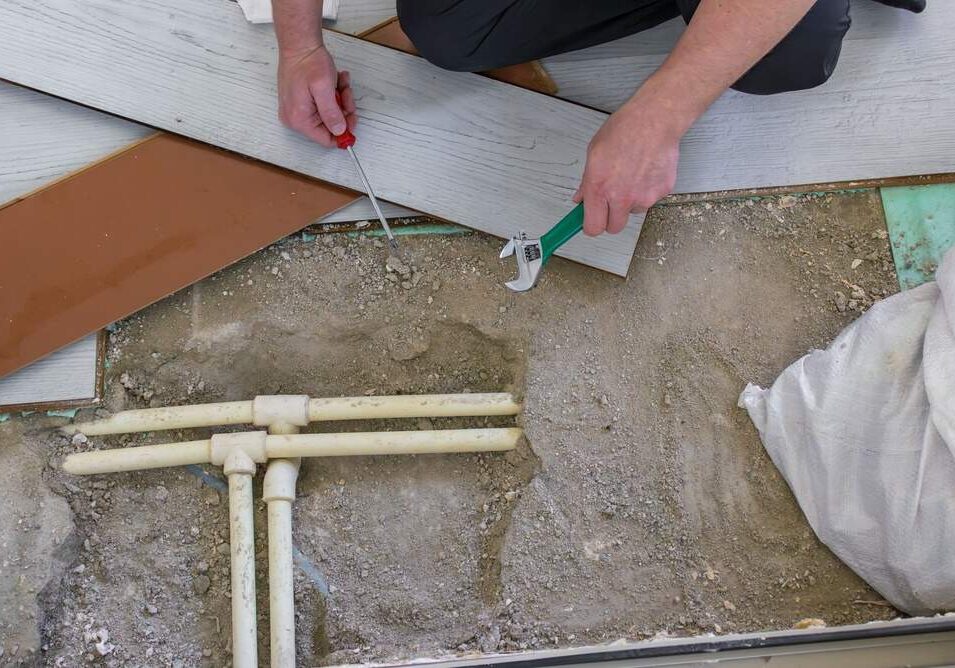
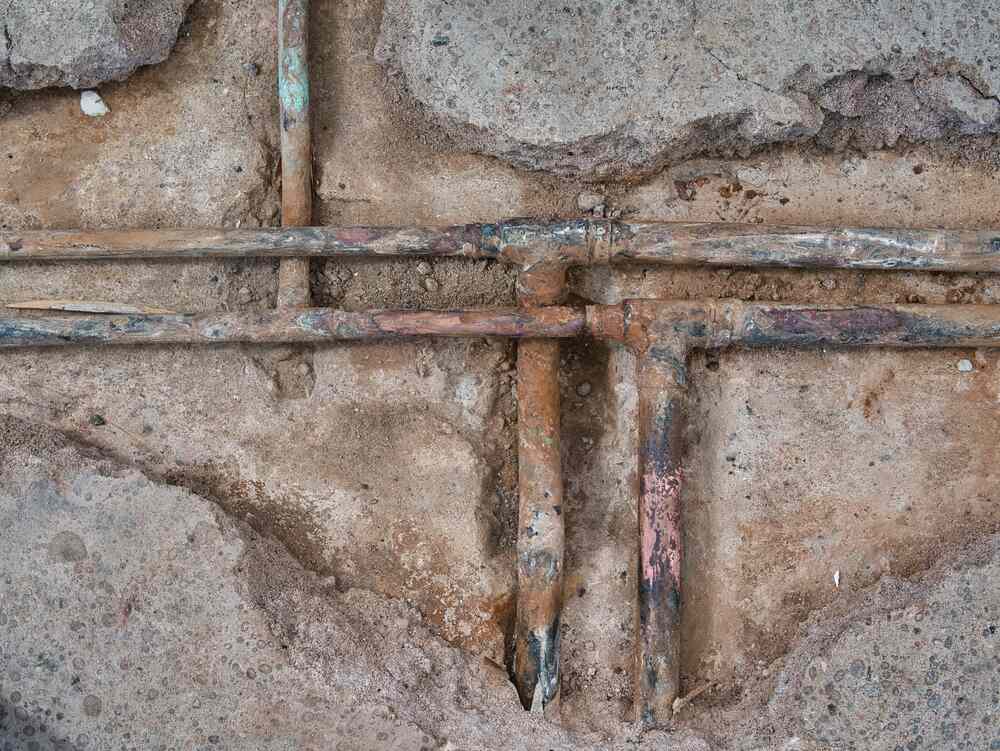
Copper lines running underneath concrete foundations present unique challenges when corrosion occurs. Slab leak repair calls for non-invasive methods that restore lines without jackhammering through solid concrete floors. Technicians first locate the affected section and evaluate the condition of the pipe before determining the appropriate repair strategy. Depending on the location and severity of the damage, targeted repair or pipe replacement may be considered to restore the line while limiting disruption to the surrounding concrete.
Addressing Unexpected Water Line Emergencies
Sudden pipe bursts occur when corroded metal becomes too thin to hold normal line pressure. Emergency leak repair requires rapid action to isolate the damaged line and prevent structural flooding. Emergency technicians assess the source of the leak, help limit further water damage, and determine the appropriate repair strategy based on the condition and location of the damaged pipe.
Maintaining Fixed Lines After Service
Following any pipe repair, technicians perform pressure tests to confirm line integrity. The system is pressurized with air or water to verify that every seam holds under normal operating loads. Flushing the lines removes trace debris and air pockets before returning the system to full daily use. Regular inspections can help identify recurring leaks, corrosion, pressure issues, or other plumbing concerns before they lead to more extensive damage.
Frequently Asked Questions
Q: What causes copper pipes to corrode over time?
A: Copper pipes corrode due to acidic water pH levels, high water velocity, hard water minerals, or aggressive chemical reactions between the metal and surrounding soil.
Q: How long does copper pipe leak repair take?
A: Repair time depends on the location and severity of the leak, the condition of the pipe, and the repair method required. A technician can provide a more accurate timeframe after evaluating the affected section.
Q: Can a corroded copper pipe with multiple pinhole leaks be repaired?
A: It depends on the extent of corrosion and the condition of the surrounding pipe. Localized damage may be repairable, while extensive deterioration may require replacement of the affected section.
Leak Detection Service Pros expanded from a small local operation to a multi-team service provider, bringing expert knowledge to every project. We integrated industry-leading leak detection tools and non-invasive diagnostic systems to locate underground and hidden plumbing issues without damaging property walls or lawns. Our team has successfully supported thousands of homeowners and businesses in Lawrenceville through dedicated plumbing solutions.
Reach out to us today to speak with a skilled specialist and receive a complete evaluation of your plumbing system.
Recent Posts