Water running through hidden plumbing networks can easily escape without leaving an immediate trace on living room walls or kitchen ceilings. Concealed pipe ruptures often stay hidden underground or behind thick drywall, quietly soaking structural materials while water meters spin continuously. Property owners frequently notice sudden spikes in utility bills, the sound of rushing water late at night, or damp spots on carpets long before finding the true origin of the problem. Finding the exact spot where water breaks out used to require swinging hammers into plaster or digging trench lines through fresh concrete driveway slabs. Modern diagnostic methods have changed this approach completely by locating hidden pipe breaks without tearing structures apart. Leak Detection Service Pros provides advanced acoustic and visual imaging solutions, allowing our team to complete pinpoint leak detection in Athens, GA without causing unnecessary destruction to homes or businesses.
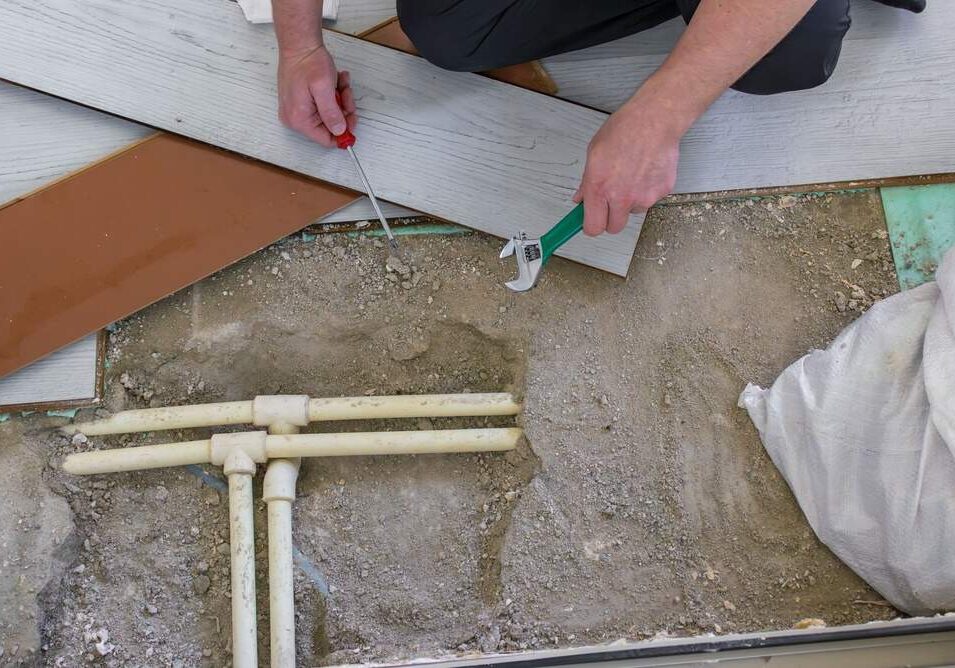
Finding water breaches hidden beneath solid concrete foundations requires specialized diagnostic equipment. Concrete slabs absorb water and spread dampness over large spaces, making it hard to see where the pipe actually broke. Advanced sound sensors allow our specialists to perform slab leak detection by picking up the specific acoustic frequencies created by water escaping under high pressure beneath solid foundations.
Locating structural line issues requires specialized tools that map out whole plumbing networks. Thermal imaging cameras identify temperature shifts caused by moisture accumulation inside enclosed wall cavities. Technicians use pipe leak detection gear to measure thermal patterns, revealing wet insulation and hidden moisture pathways without cutting open large sections of drywall.
Residential properties contain complex pipe routes that weave behind multiple rooms, making early identification essential. Escaping water travels along wooden joists and metal studs, creating damp patches far away from the initial break point. Performing residential leak detection with tracer gas technology helps locate fine pinhole leaks in domestic supply lines before moisture spreads across entire subfloors.
Commercial structures present unique challenges due to extensive floor plans and heavy daily usage requirements. Industrial facilities rely on continuous plumbing performance to support daily operations and maintain safety standards. Conducting commercial leak detection with high-frequency micro-cameras allows property managers to find structural plumbing issues without disrupting daily business operations.
Preventing structural damage depends on using the right diagnostic equipment for every specific scenario. Environmental Protection Agency data indicates that average household leaks waste over 10,000 gallons of water every year, with ten percent of homes losing ninety or more gallons daily from hidden line breaks. Modern non-invasive tools provide precise location tracking, saving time during structural repairs.
Understanding Non-Invasive Diagnostic Tools
Acoustic location equipment acts as an amplified listening system for structural piping networks. Escaping water generates distinct vibrations as it forces its way through small cracks or corroded joints. Ground microphones amplify these low-frequency sounds, allowing technicians to map underground line routes and mark exact break locations on asphalt or soil surfaces.
Thermal cameras detect infrared radiation emitted by building materials, translating surface temperatures into visible color maps on monitor screens. Cooler areas usually point to cold water leaks, while warm spots indicate hot water line ruptures behind sheetrock. Moisture meters work alongside thermal imaging by measuring electrical resistance inside building materials, confirming water presence behind painted walls.
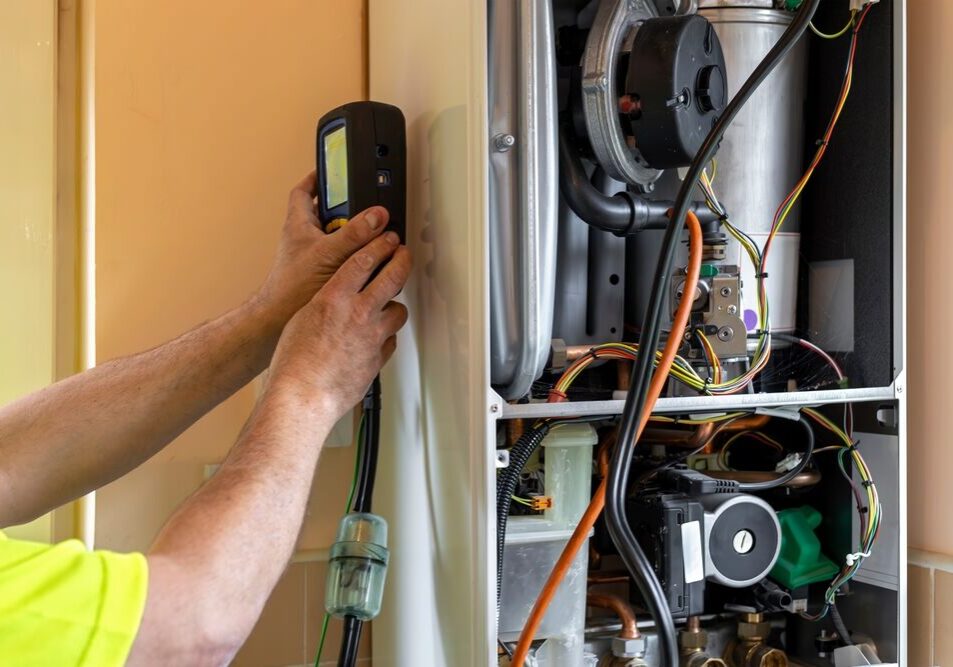
Tracer gas systems introduce a harmless blend of hydrogen and nitrogen into isolated plumbing lines under low pressure. Gas molecules escape through tiny cracks in metal or plastic pipes, rising through soil, concrete, or hardwood floors. Specialized gas detectors sweep floor surfaces, registering elevated gas levels to identify underground breaks that sound equipment might miss.
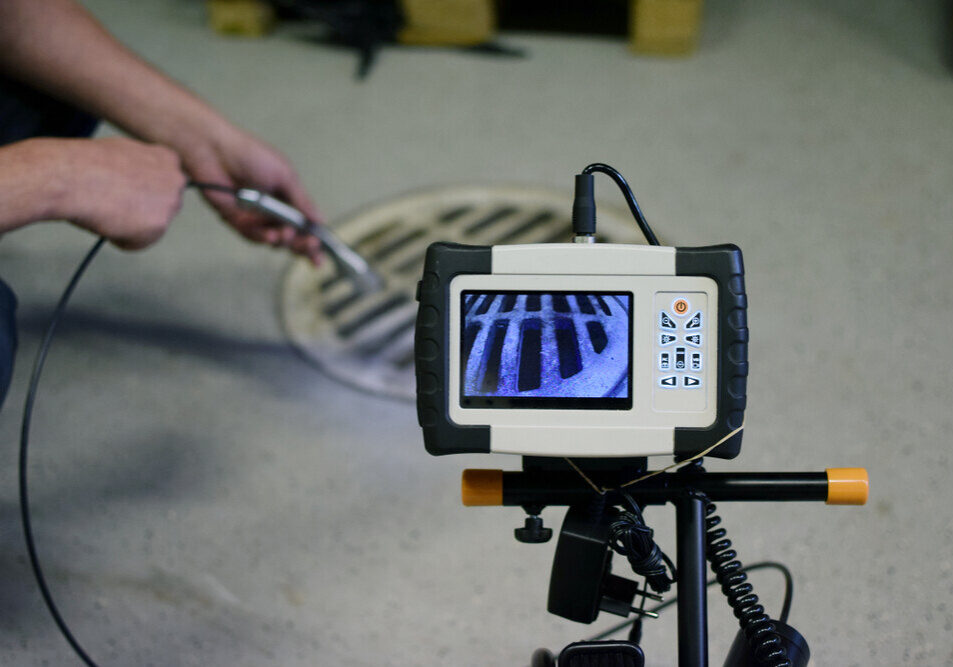
Video inspection cameras offer visual confirmation of internal pipe conditions across various plumbing lines. High-resolution camera heads attached to flexible cables travel through main sewer lines and drain pipes, transmitting real-time footage to display units. Technicians spot cracked pipe walls, root intrusion points, and loose joints without disturbing surrounding soil or interior flooring.
Structural Pipe Lining and Repair Systems
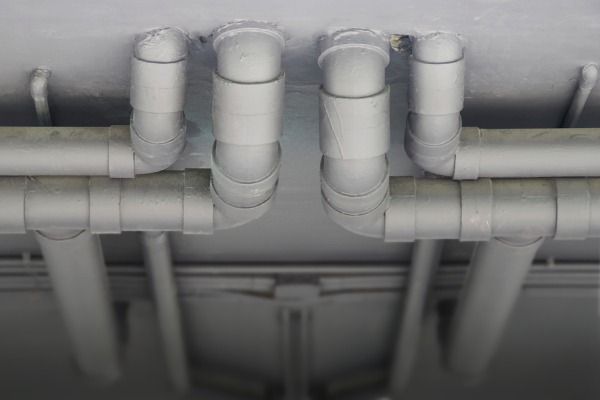
Non-invasive diagnostic tools work hand-in-hand with modern trenchless repair methods to restore damaged piping networks. Structural pipe lining repairs broken lines from the inside out, avoiding traditional excavation work. Technicians insert flexible tube liners saturated with specialized liquid epoxy resin into existing damaged pipes, creating a smooth new interior lining inside the old structure.
The installation process relies on specific materials designed to resist long-term wear and corrosion. Synthetic felt liners act as the carrier for the epoxy resin, expanding under air pressure to mold tightly against the inner walls of host pipes. These composite materials cure into rigid, seamless structural pipes capable of handling daily wastewater pressure without leaking.
Curing the resin requires controlled temperature applications to achieve proper hardness and structural integrity. Steam curing uses high-temperature steam blown through the liner to harden the epoxy quickly. UV curing relies on ultraviolet light chains pulled through the pipe, activating the resin instantly and providing full structural strength in a fraction of the time.
Pipe lining systems provide extended operational lifespans for residential and commercial plumbing systems. The solid epoxy shell resists chemical corrosion, tree root intrusion, and ground movement far better than traditional iron or clay materials. Properly installed epoxy liners can provide decades of service when the appropriate materials and installation methods are used.
Trenchless lining equipment handles a wide variety of pipe dimensions across residential and commercial properties. Diagnostic cameras measure the exact internal diameter of damaged lines before liner preparation begins. Sectional lining systems can rehabilitate pipe diameters from 2 to 18 inches, repairing everything from small branch lines to main commercial drain collectors without digging trenches.
Preventing underground drainage failures requires specialized diagnostic tools that inspect main sewer pipes. Broken clay or cast iron sewer lines cause soil displacement and foundation settling over extended periods. Utilizing a certified leak detection company ensures accurate visual video sweeps, pinpointing cracked main lines before sewage backs up into basement floors.
Underground drainage issues can cause severe structural damage if left unaddressed. Leaking wastewater erodes supporting soil beneath driveways and foundation slabs, leading to expensive structural collapses over time. Performing regular sewer leak detection helps property owners identify structural cracks, shifted joints, and root blockages before main sewer lines break completely.
Checking whole-house plumbing systems requires a systematic approach to diagnostic testing. Early detection minimizes structural damage and keeps repair costs manageable for property owners.
- Comprehensive pressure testing on main water supply lines verifies system integrity.
- Thermal scans across floors and walls identify hidden temperature variations.
- Acoustic testing along ground surfaces locates deep underground line breaks.
- Video camera sweeps inside drain networks reveal internal pipe conditions.
- Tracer gas tests identify pinpoint cracks in high-pressure supply lines.
Frequently Asked Questions
Q: How does acoustic equipment locate underground water leaks?
A: Acoustic sensors detect the sound vibrations made by pressurized water escaping from small pipe cracks. Technicians listen to these sound frequencies on ground surfaces to map the exact location of underground breaks.
Q: Will non-invasive detection damage my floors or walls?
A: Non-invasive methods use surface sensors, thermal cameras, and gas detectors to evaluate pipes from the outside. Technicians gather accurate diagnostic data without cutting into drywall or breaking concrete floors.
Q: How long does a typical leak detection inspection take?
A: Most residential leak detection inspections take between one and three hours to complete. Complex commercial systems or large properties may require additional time to test every line section thoroughly.
Q: Can non-invasive tools find leaks under concrete slab foundations?
A: Specialized acoustic equipment and tracer gas detectors can help trace pipe breaks located beneath thick concrete slabs. These advanced tools pinpoint underground leak locations without requiring exploratory concrete drilling.
Partner with Our Experienced Diagnostic Team
Leak Detection Service Pros has expanded from a small local operation to a multi-team service provider by focusing on accurate diagnostics and honest customer care. Our team integrated industry-leading leak detection tools and non-invasive diagnostic systems to locate hidden water breaks without damaging your property. We have successfully supported thousands of homeowners and businesses in Athens, helping property owners resolve complex plumbing issues efficiently. Recognized locally for prompt response times and trusted service delivery, our technicians handle every job with precision and professionalism. We have consistently maintained high customer satisfaction through quality workmanship on every project.
Reach out to us today to schedule your complete non-invasive plumbing inspection.
Recent Posts