Have you noticed an unusual smell in your guest bathroom? That faint, rotten-egg smell drifting from the hallway nobody uses isn’t your imagination, and it isn’t a plumbing glitch that will fix itself. It’s methane and hydrogen sulfide finding a clear path into your home through a fixture that’s supposed to block them. Guest bathrooms, basement showers, and laundry room floor drains sit quiet for weeks at a time, and that quiet is exactly what allows the problem to develop.
Homeowners in need of work for sewer odor detection in Winder, GA, often discover the source isn’t a hidden pipe leak at all. It’s simple evaporation, and it’s called a dry P-trap.
What Is a P-Trap and Why is it So Important?
Every drain in your home has a curved section of pipe shaped like the letter P or a U. That curve holds a small reservoir of water at all times. The water wasn’t there by accident. It works as a physical seal, blocking sewer gas from traveling back up through the pipe and into your living space.
As long as water sits in that curve, the barrier holds. The moment it dries out, the barrier is gone, and the drain becomes an open pipeline straight to the sewer system.
How Does a P-Trap Actually Dry Out?
Water evaporates. That’s the entire mechanism, and it happens faster than most people expect. A few conditions accelerate it:
- Low humidity and forced-air heating or cooling pull moisture out of small water reservoirs quickly
- Fixtures that go unused for two to four weeks often lose their seal entirely
- Floor drains with wide, shallow trap designs evaporate faster than standard toilet or sink traps
- Homes with finished basements, guest suites, or seasonal rooms are especially prone to this because those drains sit idle the longest
A guest bathroom used twice a month, a basement shower left over from a renovation, or a laundry drain in a rarely visited utility room are the usual suspects. None of these need a cracked pipe or a failed seal to start venting gas. They just need to sit still.
Why This Matters for Indoor Air and Safety
Sewer gas isn’t just unpleasant. Hydrogen sulfide at low concentrations causes headaches, nausea, and eye irritation. Methane is flammable and, in enclosed spaces, displaces oxygen. Neither belongs indoors, and a dry trap offers no resistance once the seal breaks.
This is why a full sewer smell inspection looks beyond the obvious pipe joints and vent stacks. Technicians check every drain in the house, including the ones nobody thinks about, because an idle floor drain in a basement corner can be the entire source of a smell that seems to come from everywhere.
How Professionals Confirm a Dry Trap Is the Cause
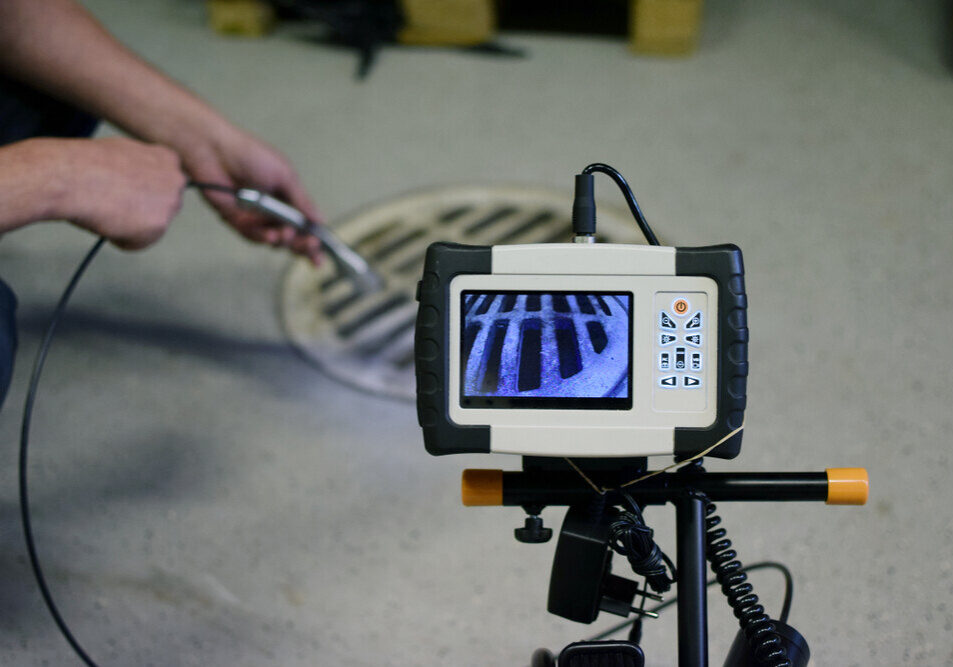
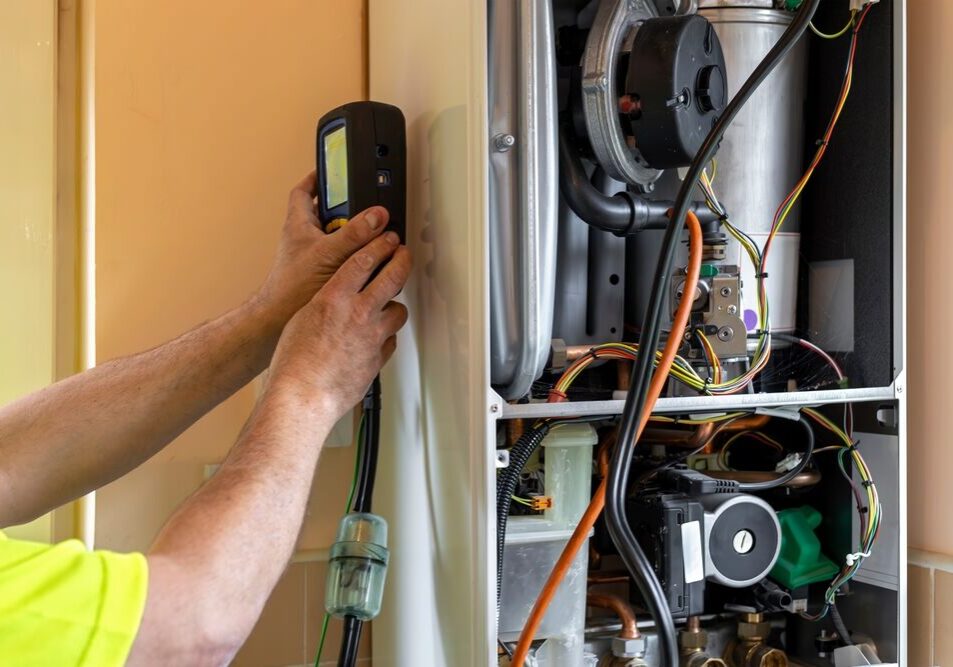
Rather than guessing, technicians run targeted sewer gas detection using smoke tests, gas sensors, and camera inspection to trace the exact fixture responsible. This sewer line odor detection process rules out cracked pipes, failed wax rings, or vent stack blockages before landing on the simpler explanation. If the trap is dry, the fix is often as easy as running water through the fixture and adding a trap primer or P-trap seal to prevent recurrence.
Frequently Asked Questions
Can I fix a dry P-trap myself?
Running water through the affected drain for a minute usually refills the trap and stops the smell immediately. If the odor returns within days, a mechanical issue or a venting problem may be involved, and that calls for a professional sewer odor detection service.
How often should unused bathrooms be run to prevent this?
Flushing toilets and running water in guest bathrooms every two to three weeks keeps traps sealed. Homes with seasonal rooms benefit from a simple reminder or automatic trap primer.
Is sewer gas smell dangerous in small amounts?
Low-level exposure typically causes discomfort rather than emergency symptoms, but any persistent smell should be investigated, since it can indicate a larger drainage or venting issue behind the walls.
When the Smell Won’t Go Away
If running water doesn’t solve it, the cause may sit deeper in the line, and that’s not a job for guesswork. Leak Detection Service Pros has grown from a small local operation into a multi-team service provider precisely because homeowners need answers, not repeat visits. Our team offers emergency sewer odor detection and same-day sewer odor detection for households that can’t wait out a mystery smell, backed by non-invasive diagnostic tools that pinpoint the source without tearing into walls or floors. If your guest bath has that ghost, give us a call and let’s find out exactly where it’s coming from. Call us today!
Recent Posts