Water pooling in your baseboards, a warm spot on the tile or a water bill spike for no clear reason? Any one of these can send a homeowner into panic mode, picturing a crew tearing up the entire living room floor to find the source. That image is outdated. Modern diagnostic tools locate a hidden break with precision, often without lifting a single tile.
Leak Detection Service Pros builds its response process around that reality, and homeowners looking for emergency service in Winder, GA, can expect a method that matches the urgency of the situation without turning their home into a construction site.
Why “Emergency” Doesn’t Mean Demolition Day
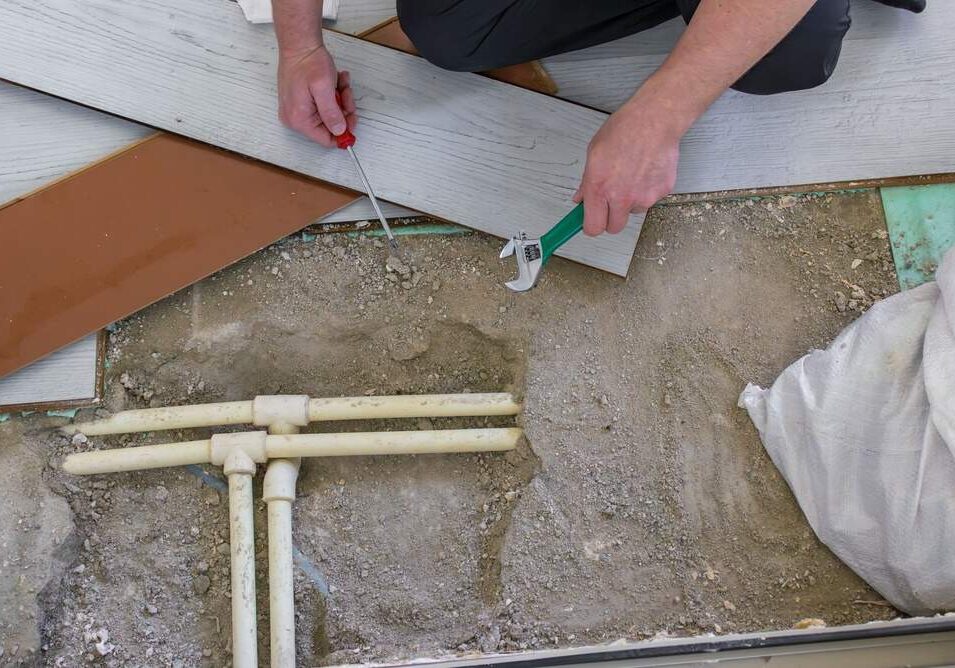
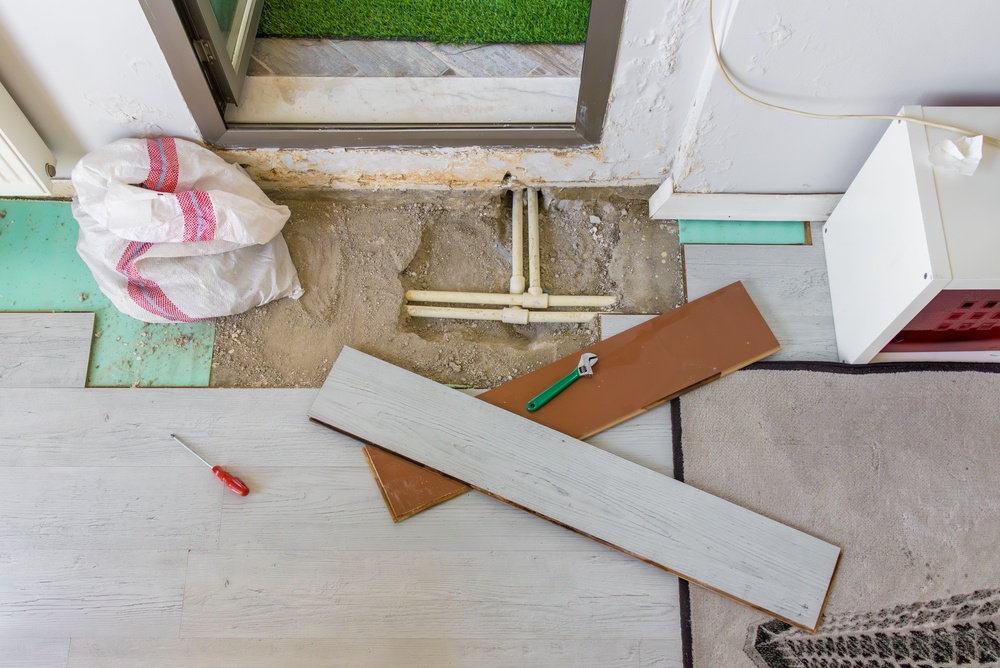
The word “emergency” tends to conjure images of sledgehammers and torn-up concrete. In practice, a fast response and a destructive response are two different things. Technicians trained in slab leak detection rely on sound, temperature, and pressure readings to narrow down a break’s location before any tool touches the floor. The goal is a small, targeted access point rather than a trench across the room. Speed and precision work together here, not against each other.
How Thermal Imaging Pinpoints the Break
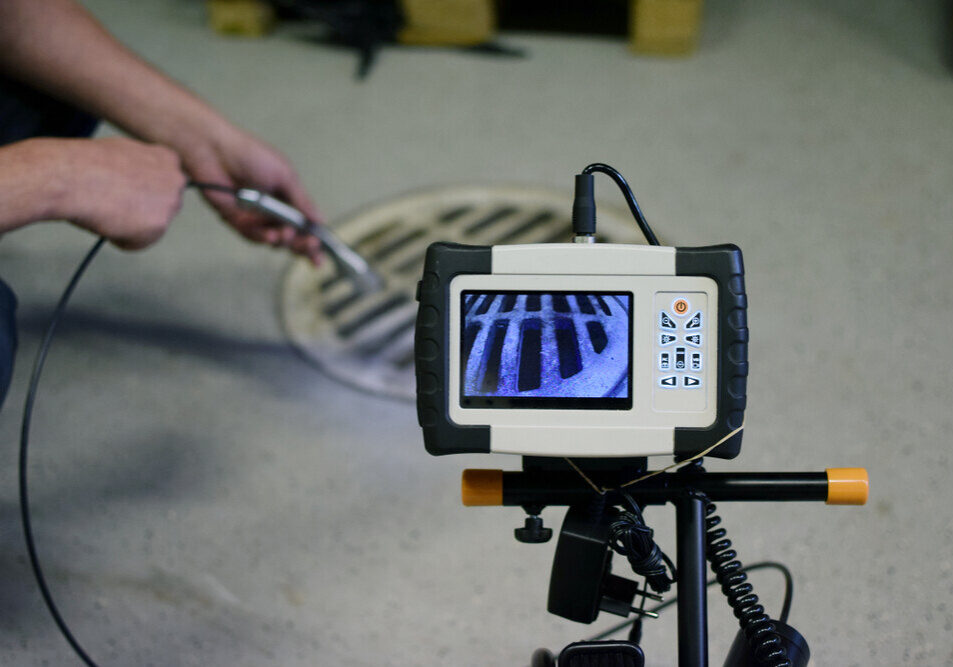
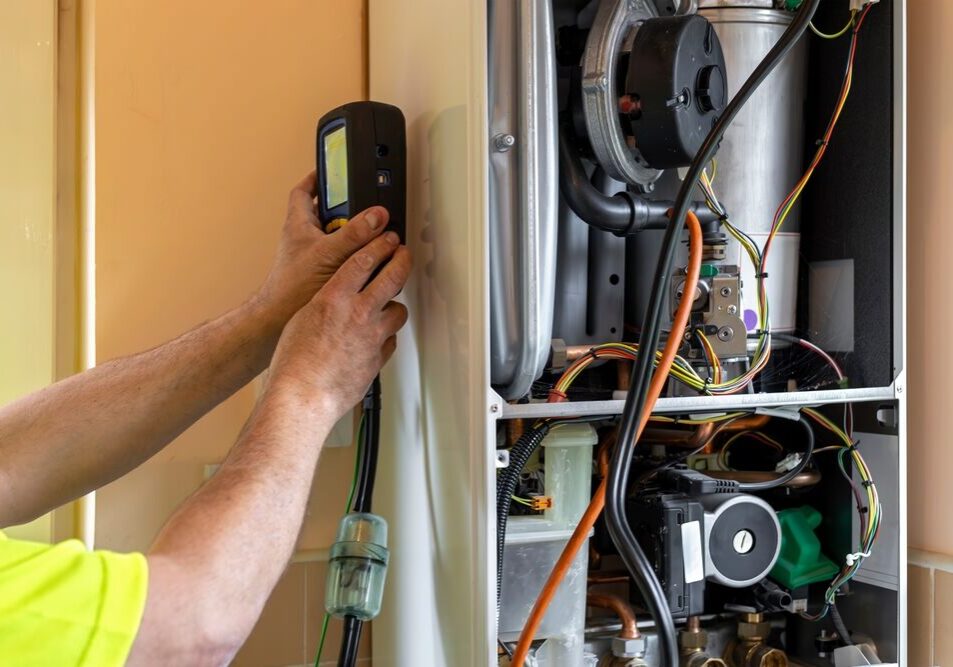
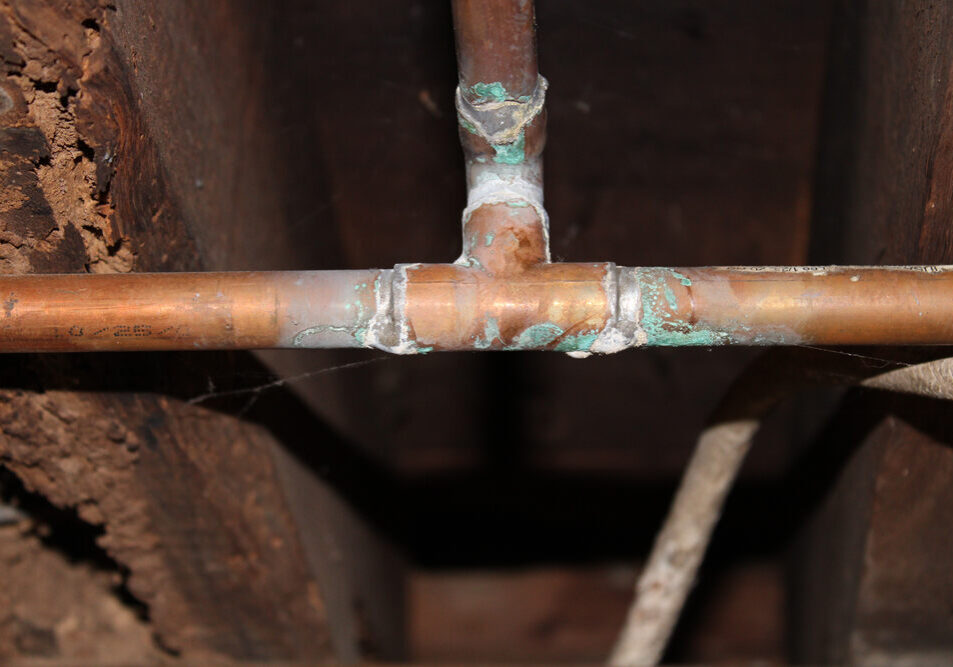
Thermal cameras read temperature differences across a surface. When water escapes a pipe beneath a slab, it changes the surrounding soil and concrete temperature just enough for infrared equipment to detect. Paired with acoustic listening devices that pick up the sound of water moving through a break, this combination of water leak detection tools allows a technician to mark an exact spot on the floor rather than guessing at a general area. The result is a small, controlled opening instead of a full excavation.
What Non-Invasive Detection Looks Like at Your Property
Every property type comes with its own layout, plumbing age, and slab depth, so the approach adjusts accordingly:
- A technician walks the affected area with thermal and acoustic equipment before recommending any access point
- Pressure testing confirms whether the leak is active and helps isolate which line is involved
- For homes, residential leak detection methods account for shallower slabs and older pipe materials
- For office buildings, restaurants, and retail spaces, commercial leak detection often involves larger pipe networks and multiple zones, requiring a broader scan before narrowing the target
- Findings are reviewed with the property owner before any cutting begins, so there are no surprises
This layered process keeps flooring damage contained to a small section rather than a full room.
Signs You Need Help Right Now
Some leaks wait. Others don’t. A sudden spike in water pressure loss, standing water with no clear source, or a hissing sound near a slab joint calls for immediate attention. This is where emergency leak detection matters most, since delaying even a day can mean water traveling further under the foundation and affecting a larger area. Because plumbing problems rarely wait for business hours, 24 hour leak detection service means you’ve got ready help during plumbing emergencies.
Not Every Leak Involves Water
Some slab emergencies involve gas lines rather than water. A rotten-egg smell, a hissing sound, or dead patches of grass near a gas line are signs that call for immediate evacuation and professional gas leak detection, since this type of leak carries risks that go beyond property damage. For less urgent water leaks, same-day leak detection service allows a property owner to get answers and a repair plan within hours instead of waiting days for an appointment.
Frequently Asked Questions
Does homeowners insurance cover slab leak repair?
Coverage varies by policy and by the cause of the leak. Many policies cover the cost of locating and repairing the leak itself but exclude the resulting damage to flooring or walls unless specific endorsements are in place. Reviewing the policy or calling the insurance provider directly gives the clearest answer for a specific situation.
How long does non-invasive leak detection actually take?
Most residential inspections take one to two hours depending on the size of the property and the complexity of the plumbing layout. Commercial properties with multiple zones may take longer.
Can this equipment work on older homes with unusual foundations?
Yes. Thermal and acoustic tools adjust to different slab thicknesses, pipe materials, and foundation ages, including homes built decades before modern plumbing codes.
Getting the Right Help, Fast
A slab leak feels overwhelming mostly because of what people assume comes next. With the right diagnostic approach, the actual repair footprint is often smaller than expected. Leak Detection Service Pros grew from a small local operation into a multi-team service provider by keeping that footprint small and the response time fast, earning local recognition for prompt service and consistent results along the way. If a leak has you worried about your floors, a quick call gets a technician on the way with the tools to find the problem without turning your home upside down. Call now for a service appointment!
Recent Posts